




Description
Product Introduction
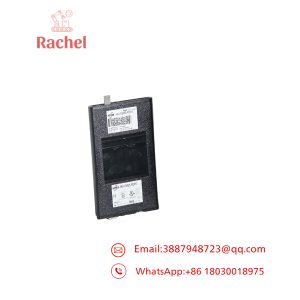
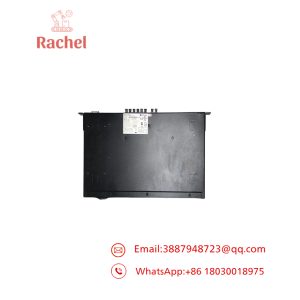
The Acquisition Logic AL81G is a high-bandwidth, single-channel digitizer board engineered for ultra-fast analog signal capture in demanding laboratory, structural testing, and specialized industrial process environments. Built to bridge high-frequency physical phenomena with digital processing units, the AL81G excels at capturing fast-transient waveforms where standard PLC or DCS analog input channels fall short.
Unlike conventional 4–20mA process control I/O modules operating at low scan rates, the AL81G features an onboard 1 GS/s sampling architecture coupled with substantial buffer memory. This design allows it to store rapid, complex transient signals locally without swamping host-bus bandwidth during peak execution cycles—making it an essential asset for advanced acoustic monitoring, non-destructive testing (NDT), and specialized vibration analysis.
Key Technical Specifications
| Parameter | Specification |
| Manufacturer | Acquisition Logic / UTEX Scientific Instruments |
| Model | AL81G |
| Input Channels | 1 Analog Input Channel (BNC Front Connector) |
| Max Sampling Rate | 1 GS/s (GigaSample per second) |
| Analog Bandwidth | 100 MHz Front-End |
| On-Board Memory | 64 MSamples Acquisition RAM |
| Vertical Resolution | 8-bit A/D Flash Converter |
| Input Impedance | 1 MΩ |
| Trigger Types | Signal Threshold, External TTL, Software Trigger |
| Form Factor | Expansion Board Chassis / Host Interface |
Application Scenarios & The “Trench” Experience
When a dedicated high-speed monitoring rig goes down, standard off-the-shelf PLC cards won’t get you out of a jam. I remember getting called out to a turbine testing facility at 2 AM where a legacy acoustic emissions recorder dropped a channel. The whole rig halted, costing thousands per hour in idle test bench time. The issue was traced to a fried front-end digitizer board. Swapping in a pre-tested AL81G replacement got the sampling loop back online before sunrise.
- Power Generation & Turbomachinery – Transient Vibration Diagnostics – Captures microsecond stress waves in rotating shafts where standard 100 Hz DCS analog cards are too slow.
- Non-Destructive Testing (NDT) – Ultrasonic & Acoustic Inspection – Captures ultra-fast pulse reflections using its BNC input and onboard hardware triggering.
- Aerospace & Structural Health – High-Frequency Strain Analysis – Stores burst data on its 64 MSample buffer without dropping samples during rapid load events.
- Research & Development Testing – Transient Signal Capture – Acts as an embedded high-speed oscilloscope front-end for automated test benches.
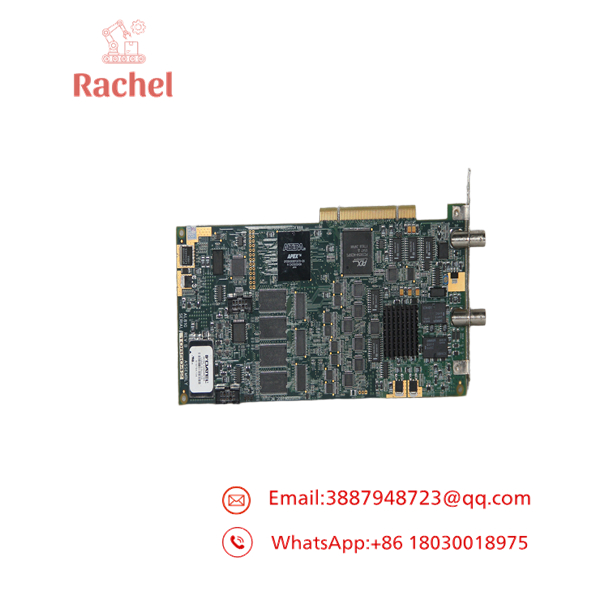
AL81G
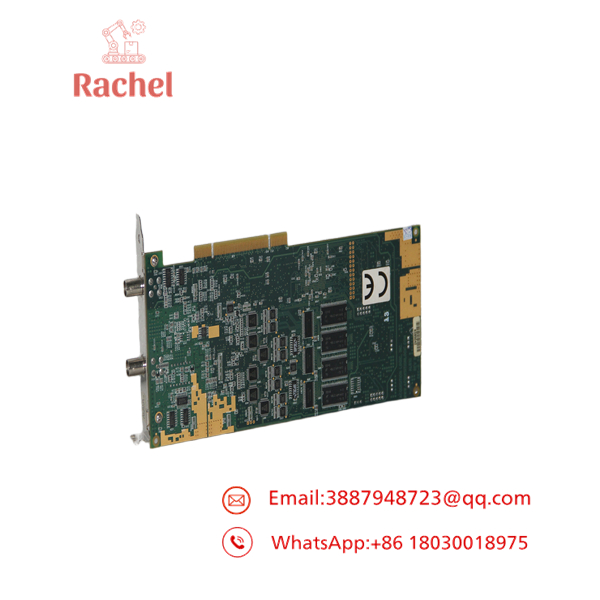
AL81G
Transparency SOP: Quality Assurance & Testing
We don’t just ship vintage electronics out the door—every AL81G card undergoes strict bench verification before it gets boxed:
- Inbound & Anti-Counterfeit Inspection: Component trace examination, PCB trace integrity verification, and OEM mark validation under high magnification.
- Power-On & Self-Test (POST): Verification of onboard power supply rails, low-noise reference voltages, and FPGA initialization.
- Signal Generator Handshake: Injecting high-frequency sine/square waves via the front BNC port to test analog bandwidth, signal-to-noise ratio (SNR), and sampling clock stability.
- Memory & Trigger Validation: Stress testing the 64 MSample onboard buffer with burst transfers and verifying hardware TTL and threshold triggering.
- Anti-Static & ESD Safe Packaging: Final cleaning with isopropyl alcohol on edge connectors, sealing in ESD shielding bags with fresh desiccant.
The Veteran’s Tech Trap Guide (Crucial Value-Add)
⚠️ Watch the Front-End Impedance! Ensure your signal source matches the expected input impedance setup. Driving a 50 Ω source into a high-impedance mode can introduce ringing and severe signal distortion on 100 MHz signals.
❗ ESD Sensitivity: High-speed flash ADC front-ends are notoriously static-sensitive. Always ground your wrist strap to the host chassis before touching the BNC connector or inserting the card into the slot.
⚠️ Host Bus DMA Allocation: If you’re dropping samples during burst captures, check your host PC motherboard BIOS settings for bus latency and DMA conflict issues. The onboard 64 MSample memory buffers the data, but improper host bus bandwidth allocation will choke long burst transfers.
Frequently Asked Questions (FAQ for Conversion)
Q: Can I hot-swap the AL81G module while the chassis is powered?
A: No. Pulling this card from an energized expansion backplane can arc the power contacts and destroy the high-speed ADC circuitry. Always power down the host system completely before removal or insertion.
Q: Is the AL81G compatible with modern Windows or Linux host environments?
A: Yes, but driver dependencies are key. The hardware itself interfaces via standard bus protocols, but you must ensure your host application or UTEX API software supports the target OS revision.
Q: How does this card compare to a standard DCS/PLC analog input module?
A: Standard PLC analog cards sample at rates between 10 Hz and 1 kHz for slow process variables like temperature and pressure. The AL81G operates at up to 1 GS/s to capture dynamic microsecond transient signals.
Q: Why purchase a New Surplus or Refurbished AL81G instead of buying new from the OEM?
A: The OEM has marked this product end-of-life (EOL). Buying fully tested, surplus inventory allows you to maintain existing installations without executing an expensive, multi-week system redesign.
Q: What warranty coverage do you provide on AL81G modules?
A: All surplus and refurbished units come standard with a 12-month functional warranty. If the card fails bench checks or field deployment within a year, we replace it or issue a full refund.

 Start Chat


