





Description
Product Introduction
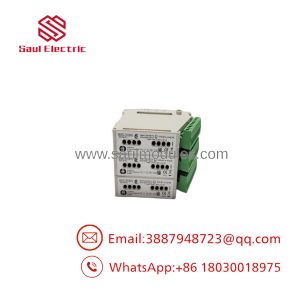
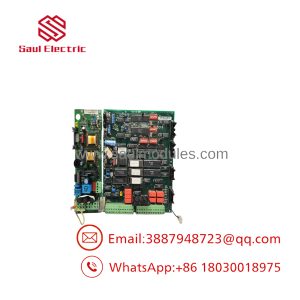
The Autronica BSS-101 is an essential power supply module engineered specifically for Autronica’s legacy BS-100 series fire detection panels. Installed directly inside the main control cabinet, this board takes incoming high-voltage mains power and drops it down to clean, regulated 24VDC. It powers the central processing rack, communication loop drivers, and local alarm sounders while keeping standby battery banks topped off.
Unlike general-purpose off-the-shelf industrial switchers, the BSS-101 integrates precise voltage sensing logic and thermal monitoring tailored for marine-grade standby power compliance. It manages seamless failover transitions between primary AC power and secondary battery backup without causing voltage dips on the internal panel bus. For aging vessels and offshore facilities running legacy BS-100 architectures, securing a reliable BSS-101 keeps system power stable without forcing an expensive, full-panel retrofit.
Key Technical Specifications
| Parameter | Specification |
| Manufacturer & Part No. | Autronica BSS-101 (116-BSS-101) |
| System Compatibility | Autronica BS-100, BS-80, BX-10 Panels |
| Primary Input Voltage | 230 VAC (+10% / -15%), 50/60 Hz |
| Secondary DC Output | 24 VDC Regulated (Panel internal rail power) |
| Battery Charger Interface | Integrated 24V Lead-Acid Float Charger |
| Protection Features | Overcurrent limiting, thermal shutdown, mains surge suppression |
| Status Monitoring | AC Mains loss fault detection & low battery sensing |
| Terminal Connections | Heavy-duty screw terminals (Mains, Battery, 24V Regulated Output) |
| Form Factor | Open-frame internal mounting board with heat-sink assembly |
| Environmental Coating | Marine-varnished conformal coating against humidity and salt air |
Application Scenarios & The “Trench” Experience
The Marine Engineer’s 2 AM Emergency
Picture this: You are the chief electrician on an offshore supply vessel rolling in heavy seas at 02:00. A dirty generator switchover dumps an AC power spike through the ship’s internal grid. The bridge BS-100 fire panel sounds a loud “System Power Fault”—the transformer on the BSS-101 board blew, and the panel is running on pure battery power. You have about 6 to 8 hours of battery reserve before the entire fire system dies, shutting down your safety clearance to operate. You don’t need a full panel replacement; you need to drop in a fresh , restore the 24V bus, and bring primary mains power back online immediately.
Key Field Applications
- Maritime Commercial Vessels: Central panel power distribution and battery float charging on cargo ships, tankers, and tugs running BS-100 systems.
- Offshore Platforms: Main power conversion for non-hazardous control room fire and gas monitoring racks.
- Industrial Manufacturing Plants: Legacy fire panel infrastructure keeping facility-wide detection loops powered 24/7.
- Emergency Spares Inventory: Critical replacement stock for marine tech service companies supporting legacy fleets.
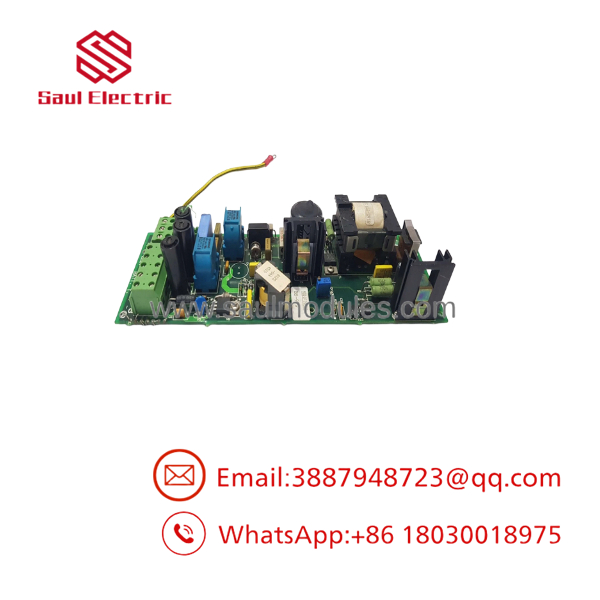
BSS-101
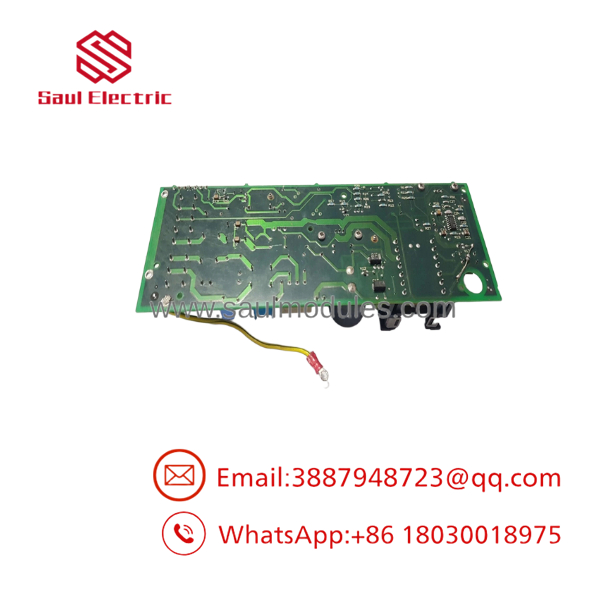
BSS-101
Transparency SOP: Quality Assurance & Testing
Power supply boards carry high-voltage hazards and cannot fail in the field. We don’t just ship boxes; we test them on actual Autronica test rigs.
- Inbound Physical & Visual Audit: Comprehensive check for bulging/leaking electrolytic capacitors, thermal damage on power resistors, cracked transformer casings, and PCB trace health.
- High-Voltage Insulation Check: Megger testing between primary AC inputs and secondary low-voltage DC rails to verify isolation barriers.
- Mains Power Load Stress Test: Board is energized at full 230VAC input under a dummy 24V load to check voltage regulation, current draw, and ripple voltage.
- Battery Charger Failover Verification: Primary AC is intentionally cut during load testing to confirm instantaneous, glitch-free handoff to the battery backup bus.
- Anti-Static Sealing & Heavy Packaging: Units are cleared, treated with anti-static protection, vacuum-bagged, and wrapped in thick industrial foam to survive transit vibration.
The Veteran’s Tech Trap Guide (Crucial Value-Add)
⚠️ Isolate 230VAC Mains BEFORE Touching Terminal Blocks
The board handles raw primary line voltage on its upper terminal blocks. Unlike low-voltage I/O modules, touching these terminals while energized will cause severe shock or short the board. Always lock out tag out (LOTO) the panel’s AC feeder breaker and disconnect the battery lead before unbolting the module.
❗ Always Disconnect the Battery Wire Before Swapping
Take off the red/black battery leads before pulling the board! Even if AC power is turned off, leaving a 24V battery bank connected to the terminals will arc if the board touches metal chassis casing during removal, instantly frying onboard trace fuses.
⚠️ Check Onboard Fuse Ratings and Battery Health First
Before replacing a seemingly “dead” , check the glass fuse holders on the board with a multimeter. Also, check your 24V standby batteries. A completely dead or internally shorted battery cell will pull excessive charging current, tripping the ‘s internal thermal protection and making the power supply look failed when the batteries are actually the culprit.
Frequently Asked Questions (FAQ for Conversion)
Q: Can I replace the with a standard 24V DIN-rail industrial power supply?
A: No. Standard commercial power supplies lack the integrated battery charging circuits, mains loss fault signalling, and specific form-factor connections that talk directly to the BS-100 central processor bus. Attempting to bypass it with a generic 24V supply will trigger continuous fault alarms on the panel.
Q: Is the hot-swappable?
A: Absolutely not. You must kill both primary AC power and secondary battery power before attempting to remove or install this board.
Q: What usually causes the board to fail on marine panels?
A: The most common failure points are aging electrolytic capacitors on the smoothing stage, voltage spikes from dirty shipboard generator power, or thermal fatigue caused by running shorted backup batteries for extended periods.
Q: How do I know if I have a failure or a central CPU failure?
A: Measure the output voltage across the 24V bus terminal screws on the with a multimeter. If 230VAC is going in, but 0VDC comes out (and fuses are intact), the power board is faulty. If 24VDC is present at the board terminals but panel display lights stay dark, the issue lies further downstream on the CPU or backplane rail.
Q: What kind of warranty comes with your surplus or refurbished units?
A: Every board we ship—whether factory surplus or fully bench-refurbished—comes with our complete 12-month replacement warranty.

 Start Chat


