





Description
Product Introduction & Engineering Value
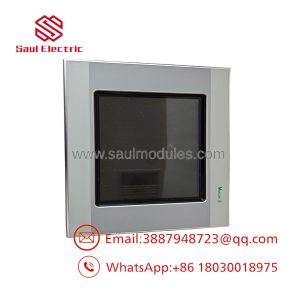
When space inside a control console is tight but the operating environment requires heavy-duty chemical cleaning, standard plastic-bezel touchscreens simply do not survive. They crack under chemical exposure or crack when struck by stray tools. The Eaton XV-460-57TQB-1-50-1 tackles this challenge by matching a compact 5.7-inch footprint with a heavy-duty stainless steel front bezel and an infra-red touch matrix behind laminated safety glass.
By doing away with the vulnerable flexible plastic overlays of standard resistive displays, this hardware ensures long-term clarity and responsive performance in high-pressure washdown zones. It stands as an essential replacement node for legacy machinery configurations that require specialized network architectures like CANopen or Ethernet without forcing the cost and disruption of an entire enclosure overhaul.
Technical Specifications
Because this model is engineered for rugged deployments and dense data networks, it features highly descriptive architectural traits:
- Display Area: 5.7-inch active color TFT display screen.
- Resolution Configuration: 320 x 240 QVGA pixel matrix offering high contrast visibility.
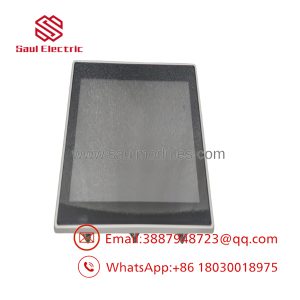
- Touch Sensing Matrix: Optical infra-red grid array behind scratch-resistant laminated safety glass.
- Front Bezel Composition: Flush-mount stainless steel frame designed for sterile or washdown applications.
- Processor Engine: 32-bit RISC high-speed computing architecture.
- Communications Array: 1 x RJ45 Ethernet port (10/100 Mbit), 1 x RS232 serial port, and 1 x integrated CANopen master fieldbus interface.
- Memory Footprint: Onboard RAM storage backed by an accessible CompactFlash card slot for application runtime storage.
- Protection Rating: IP65 and NEMA 4X front protection against corrosive liquids and high-pressure cleanup spray.
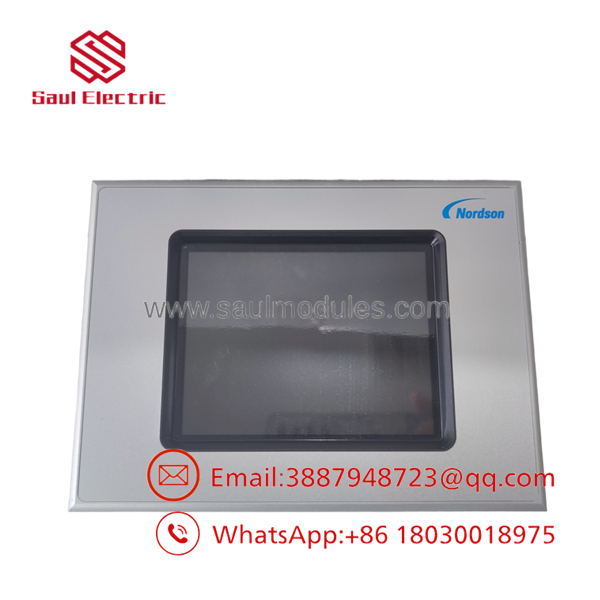
- XV-460-57TQB-1-50-1
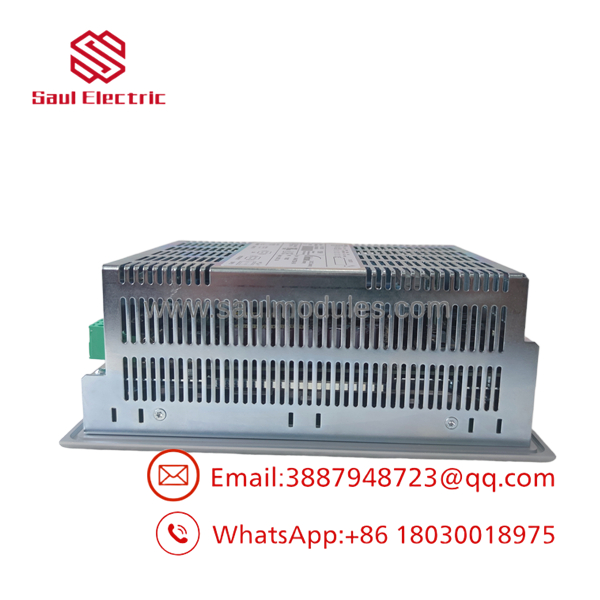
- XV-460-57TQB-1-50-1
Field Application & The “Trench” Experience
A field technician at a commercial food processing facility was hit with a critical failure during the morning sanitation cycle: the primary display on a vacuum sealing line went dark after water seeped past a worn aftermarket gasket. The station was tightly integrated into a centralized CAN bus network that kept the downstream conveyors synchronized. Swapping in a replacement XV-460-57TQB-1-50-1 unit took less than twenty minutes. The stainless steel face locked perfectly into the existing cutout, and the heavy-duty rear mounting clamps created a tight moisture barrier that allowed production to resume by the next shift change.
Niche Application Environments:
- Clean-in-Place (CIP) Dosing Cabinets: Monitors caustic sanitizing concentrations where plastic bezels pit, discolor, and cloud over time.
- Marine Engine Room Auxiliary Displays: Provides vibration-resistant monitoring of fluid levels and exhaust gas temperature rings via CAN interfaces.
- Meat Processing Conveyor Control: Withstands repetitive washdowns and thick-glove operator interface selections without losing button calibration.
Transparency SOP: QA & Testing
Every XV-460-57TQB-1-50-1 panel entering our stock goes through a strict multi-point validation protocol before shipment:
- Bezel and Seal Integrity Inspection: The stainless steel face and rear seating groove are physically inspected under magnification to ensure zero warping that could compromise the NEMA 4X washdown seal.
- Infra-Red Beam Diagnostics: Continuous automated scripts trace the perimeter IR sensors to verify immediate response across the entire 320 x 240 grid area.
- Network Packet Stress Test: The internal communication controller is put under a simulated load over both the Ethernet and CAN interfaces to guarantee consistent data transfers.
- Extended Power Soak: The unit is run continuously for a minimum of 8 hours under typical industrial temperatures to verify internal inverter stability and processor heat dissipation.
The Veteran’s Tech Trap Guide
⚠️ CRITICAL RETROFIT WARNINGS
- The Stainless Steel Cutout Trap: Because the stainless steel bezel on this variant has virtually zero flexibility compared to plastic housings, your enclosure cutout must be completely flat and free of burrs. If the sheet metal panel is warped or unevenly cut, the HMI will not sit flush, preventing the rear clamps from applying even torque and potentially allowing water to bypass the seal.
- Resolution and Aspect Mapping: The 5.7″ display uses a QVGA (320 x 240) profile. If you are converting an application originally built for a wider VGA resolution panel, fonts and touch targets may compress or overlap. Always double-check your Galileo layout rendering before pushing the project live.
- Grounding the Bezel: In high-static environments or washdown areas with high stray voltages, verify the rear grounding stud on the stainless chassis connects directly to the cabinet ground plane. Omitting this step can cause electrostatic interference across the internal communication circuits.
Dynamic FAQ
- Q: What does the trailing “-1” signify at the very end of this model number?
- A: The “-1” identifies the specialized stainless steel front bezel configuration, making it visually distinct and mechanically superior for food, beverage, and pharmaceutical cleanrooms compared to standard plastic housings.
- Q: Can this 5.7-inch unit directly replace a larger XV-440 panel without software changes?
- A: The internal communication logic and OS are highly compatible, but you will need to open your Galileo or CoDeSys programming software to adjust the project target resolution down to 320 x 240 QVGA to match this unit’s screen.
- Q: Does the infra-red touch system work correctly if condensation forms on the screen face?
- A: The infra-red grid is highly resilient, but heavy droplets or running water bridging the bezel frame can block the optical sensors. The flush design of the stainless bezel helps prevent liquid pooling, but excessive buildup should be wiped clean to ensure consistent touch detection.
- Q: Is the CompactFlash card slot accessible from the front or the rear of the unit?
- A: The CompactFlash slot is located on the rear chassis of the panel. This design keeps the card fully enclosed inside your sealed electrical cabinet, protecting it from moisture and unauthorized tampering during operation.

 Start Chat


