





Description
Product Introduction
The Kongsberg 319554 is an industrial-grade processing and interface board built specifically for rugged marine environments. Deployed across Kongsberg Maritime platforms—including K-Pos Dynamic Positioning (DP), K-Chief Integrated Automation Systems (IAS), and AutoChief propulsion control architectures—this board handles real-time sensor processing and command execution for offshore vessels, tankers, and specialized workboats.
Engineered to withstand the intense vibration, thermal cycling, and electromagnetic interference typical of engine rooms and bridge control consoles, the 319554 delivers deterministic processing performance. It integrates directly into Kongsberg’s proprietary system backplanes, ensuring sub-millisecond signal processing and seamless failover execution in dual or triple redundant control configurations.
Key Technical Specifications
| Parameter | Value / Technical Specification |
| Part Number | 319554 |
| Manufacturer | Kongsberg Maritime |
| System Compatibility | K-Pos, K-Chief, AutoChief C20 / 20 Marine Control Systems |
| Operating Voltage | 24 VDC nominal (\pm 20\% industrial marine tolerance) |
| Power Consumption | Approx. 12 W to 18 W (depending on I/O channel loading) |
| Bus Interface | Kongsberg proprietary backplane / High-speed CAN / Ethernet interface |
| Operating Temperature | -15°C to +70°C (Marine classification standard) |
| Form Factor | Eurocard format with ruggedized front pane retaining levers |
| Conformal Coating | Marine-grade humidity and salt mist resistance |
| Marine Classification | Meets DNV GL, ABS, Lloyd’s Register, and BV standards |
Application Scenarios & The “Trench” Experience
Picture this: An offshore supply vessel is holding station alongside an oil platform in heavy seas. Suddenly, a vessel alarm triggers as a primary control card on the Dynamic Positioning rack suffers a hardware fault. If the system drops out completely, the vessel risks a dangerous drift-off or drive-off. Having a pre-tested Kongsberg 319554 module ready in the spares locker allows the ETO (Electro-Technical Officer) to swap the faulty card in minutes, restoring full DP2/DP3 redundancy before the charterer cancels the operation.
- DP2 / DP3 Dynamic Positioning Systems – Real-Time Thruster Control – Processes position reference data (GPS, CyScan, MRU) to command thruster speed and azimuth angles.
- Integrated Automation Systems (K-Chief) – Vessel Monitoring – Collects temperature, pressure, and tank level feedback across engine room machinery spaces.
- Main Engine Propulsion Control – Governor & Clutch Interface – Delivers fail-safe speed demand signals to main engine actuators.
Field Case Study: A shuttle tanker operating in the North Sea experienced intermittent CAN bus communication drops on its auxiliary engine monitoring rack. Diagnostics traced the fault to thermal stress degradation on an aging processor board. The vessel engineer pulled the failing unit and installed a replacement Kongsberg 319554 board. Communication lines stabilized instantly, clearing the class notation non-conformity and keeping the vessel on charter without day-rate penalties.
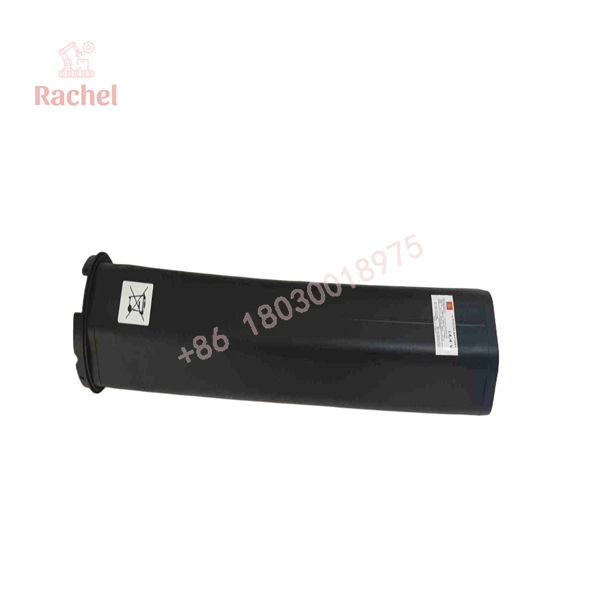
319554
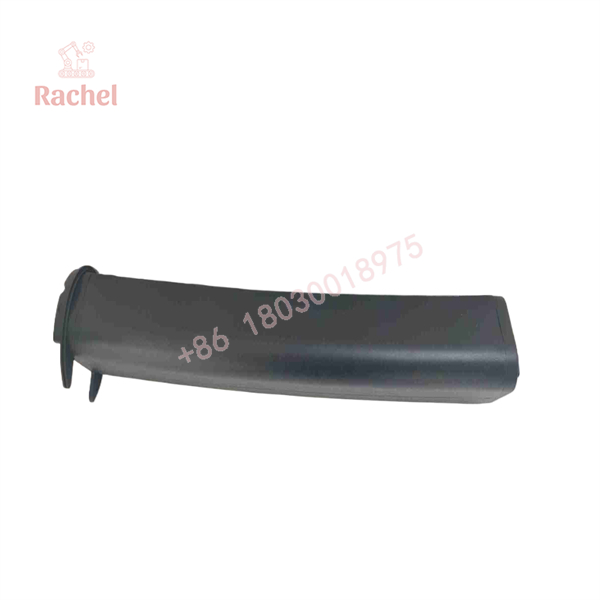
319554
Transparency SOP: Quality Assurance & Testing
We don’t just ship boxes; we test them on actual Kongsberg bench rigs.
- Inbound Inspection: Verify physical board integrity, inspect edge connector pins for wear or gold-plating degradation, and confirm OEM serial tracking labels.
- Conformal Coating Check: Inspect the PCB surface under UV light to verify full moisture/salt-spray barrier coverage without micro-cracks or flaking.
- Power-On Self-Test (POST): Install the board in a test rack, supply 24 VDC, and verify internal voltage rails and status LED boot sequences.
- Communication & I/O Stress Test: Drive simulated serial, CAN, and Ethernet traffic through the board interfaces for 4 hours to verify packet processing without frame drops.
- Anti-Static Packaging: Apply protective connector covers, wrap in heavy-duty ESD shielding bags, and pack into custom-foam marine transit cases.
The Veteran’s Tech Trap Guide
To be honest, servicing marine automation boards at sea requires extra care compared to standard factory floors. Here are a few things to watch out for:
- ⚠️ Card Guide Alignment & Backplane Pins: Never force the 319554 board into its rack slot. Marine backplane headers have fine-pitch pins. If the board isn’t aligned perfectly in the nylon card guides, pushing the front levers can bend backplane pins, causing short circuits across the entire rack.
- ❗ DIP Switch & Jumper Mirroring: Before sliding the replacement board into the rack, place it side-by-side with the old card and verify EVERY DIP switch and jumper configuration. A single misaligned node-address switch will cause a system bus conflict or keep the module offline.
- ⚠️ ESD Protection on Ships: Marine environments can build up high static charges due to forced dry air systems in control rooms. Always wear a grounded ESD wrist strap clipped to the rack frame when handling raw circuit boards.
- ❗ System Software / Firmware Sync: Ensure the replacement board’s firmware version is compatible with your vessel’s installed OS revision (e.g., K-Chief / K-Pos software version). Mismatched firmware can cause silent parameter syncing errors across redundant controllers.
Frequently Asked Questions (FAQ for Conversion)
Q: Is the Kongsberg 319554 card hot-swappable during DP operations?
A: While some Kongsberg redundant racks allow online replacement, best marine safety practice dictates transferring thruster control to manual or a secondary system before unlatching a module to prevent unintended thruster trips or bus disruption.
Q: Does this board come pre-configured for a specific vessel system?
A: No. The unit comes in standard factory hardware state. System parameters, node addresses, and channel mappings are assigned via DIP switches on the PCB or downloaded from the main system controller upon boot.
Q: Can this part number directly replace older revisions?
A: Yes, the 319554 is designed to maintain backward compatibility within its designated system rack family. Always verify board layout and hardware revision codes against your vessel’s technical manual.
Q: What classification society approvals does this hardware meet?
A: Kongsberg Maritime hardware is built to meet major marine classification requirements, including DNV GL, ABS, Lloyd’s Register, Bureau Veritas, and ClassNK for machinery space installation.
Q: Why source New Surplus marine spares instead of direct OEM order?
A: Direct OEM lead times for marine electronics can cause severe dockside delays during drydock or class surveys. Sourcing tested New Surplus stock provides immediate access to original hardware, keeping your vessel compliant and operational without long port stays.

 Start Chat


