





Description
Introduction & Engineering Value
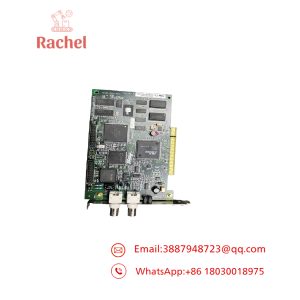
Nothing ruins a quarter like a single-board failure in a drive cubicle the OEM stopped supporting years ago. The ARND-3119 is exactly that part — the master GDM board that quietly runs the show until the day it doesn’t, and then suddenly it’s the only thing on Earth your procurement team is searching for.
This board handles the drive control and interfacing duty inside legacy Toshiba/TMEIC platforms, including PLC-network and DCS-style communication with field devices. It’s discontinued at the manufacturer level — which means sourcing a tested, verified unit from a surplus specialist isn’t a nice-to-have. It’s the whole game.
Technical Specifications
| Parameter | Detail |
|---|---|
| Part Number | ARND-3119 / ARND-3119A (revision A6 seen in service) |
| OEM Cross-Reference | Toshiba 2N3A3119-B |
| Board Family | GDM series control board |
| Board Role | Top board — master control PCBA |
| Onboard Components | Integrated transformer stage (per OEM build spec) |
| Primary Function | Drive control logic, signal processing, field-device interfacing |
| Communication | Data exchange with PLC networks / distributed control systems |
| Host Platforms | Legacy Toshiba / TMEIC drive and machine-control cubicles |
| Lifecycle Status | Discontinued by manufacturer (obsolescence confirmed in distribution channels) |
| Mounting | Internal board installation per platform’s original assembly drawing |
| Approximate Shipping Weight | ~2 lb packaged board |
⚠️ Revision matters here. ARND-3119 shipped in multiple hardware revisions (-A, A6, and the 2N3A3119-B cross-code). Some platforms tolerate revision swaps; others don’t. Send us your defective board’s full silkscreen marking before ordering and we’ll match it.
Field Application & The “Trench” Experience
A steel-coating line, autumn shutdown week. Techs pull the drive cubicle for preventive cleaning, and the master GDM board — twenty-two years in service, never touched — comes back cracked around the connector header. Board’s dead. Line is scheduled to restart in four days. TMEIC’s answer: the part is discontinued; try the secondary market.
Our bench pulled a refurbished ARND-3119A, ran it through the full power-up and I/O verification sequence, and cross-shipped same day. It arrived Tuesday. The maintenance team’s one mistake: they hadn’t photographed the connector wiring on the old board before stripping it out, so the replacement install burned an hour tracing terminations against a photocopy of the 1998-era drawing. Line restarted Thursday morning, on schedule. The foreman’s takeaway, taped inside the cubicle door: “Photo before you pull. Photo before you pull. Photo before you pull.”
Niche application scenarios:
- Continuous galvanizing line tension control — GDM master boards in legacy drive cubicles regulating bridle stands where a single-board failure stops the entire strip pass.
- Cement kiln induced-draft fan drive control — older Toshiba drive platforms where the ARND-3119 executes speed reference processing between the DCS and power stack.
- Paper machine sectional drive interfacing — communication between legacy drive sections and plant PLC networks in mills that run original equipment decades past its support window.
QA & Testing — How We Prove a “Dead” Part Isn’t Your Problem
A control board this deep into obsolescence only has value if it works the first time it’s powered up in your cubicle. Here’s how that gets guaranteed on our end, as a plain narrative of what actually happens on the bench:
Each incoming ARND-3119 is first authenticated — silkscreen, revision code, and the OEM cross-reference 2N3A3119-B are checked against Toshiba documentation, because mixed-revision and counterfeit boards circulate in this market. It then goes under magnification: solder joints on the connector headers, electrolytic capacitors, transformer winding condition, and signs of prior repair attempts. Anything previously reworked gets flagged and graded accordingly, never sold as New Surplus.
The board is then installed in a reference test fixture and powered in steps — first a controlled inrush check on the bench supply, then full operating voltage, watching current draw for anomalies. I/O points are exercised against a known signal set, and the communication interface is verified for clean data exchange. Finally, the board soaks powered for several hours to surface thermal faults that a quick bench pass would miss. Test readings are logged; that record ships with the board.
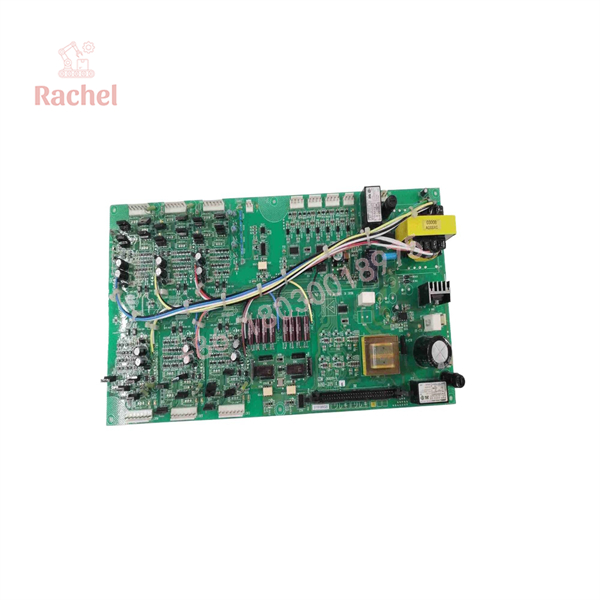
ARND-3119
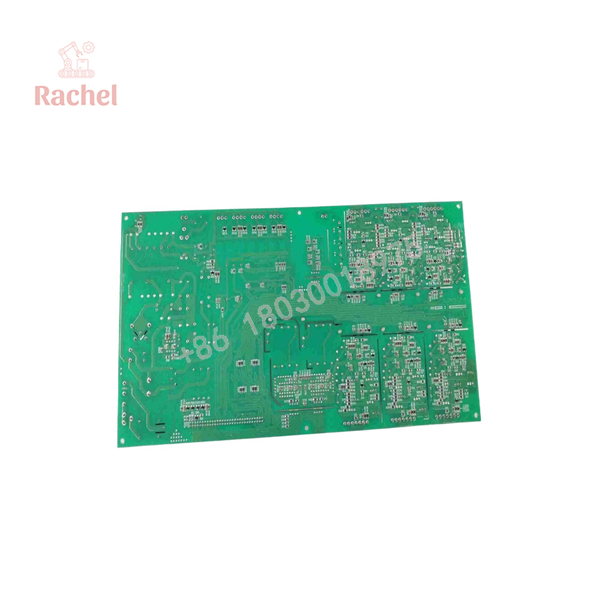
ARND-3119
The Veteran’s Tech Trap Guide
PRO TIP: Match the revision before you match the price. ARND-3119, -3119A, and A6 units look identical in a listing photo. Your drive cubicle’s firmware may care. Screenshot the silkscreen of your failed board — all of it — and demand the same from any vendor before money moves.
⚠️ Trap #1 — The unphotographed cabinet. These boards live in dense cubicles with hand-terminated wiring. Once the old board is out, you’re reconstructing terminations from memory or a 20-year-old print that may not reflect field modifications. Photograph every connector, both sides, before your wrench touches anything.
⚠️ Trap #2 — Handling the board like a desktop part. The connector headers and the transformer stage are the two fragile zones. Never lever connectors out by the body; release the latching mechanism. And bench these boards with a wrist strap — a board this old may have CMOS devices with no modern ESD tolerance to spare. A static zap that a new board shrugs off will kill a legacy GDM outright.
PRO TIP: Test before you condemn the board. A surprising share of “dead ARND-3119” calls turn out to be a failed power supply in the cubicle or a cracked backplane connector. Swap-test the board into a known-good slot or bench fixture first — a 0 diagnostic that saves a 1,500 misdiagnosis and a week of waiting.
FAQ
Q1: Are ARND-3119, ARND-3119A, and the Toshiba 2N3A3119-B the same board?
They’re members of the same GDM board family with hardware revisions between them. Many platforms accept them interchangeably; some drive cubicle firmware revisions do not. Send us your failed board’s full silkscreen marking and your platform details — we’ll confirm the correct variant before you order rather than after you install.
Q2: The part is discontinued by TMEIC. Where does your stock come from?
Audited surplus channels: machine-builder spares inventories, plant decommissioning projects, and OEM excess stock. Because TMEIC no longer manufactures the board, every unit we sell is verified, tested, and documented as described in our QA section — the paper trail is what separates a working spare from expensive shelf decoration.
Q3: How do you verify authenticity on a discontinued board?
Incoming inspection checks silkscreen markings, revision codes, component date codes, and the 2N3A3119-B cross-reference against OEM documentation. Boards showing re-badging, mixed-revision component populations, or untraceable prior repairs are rejected from New Surplus grading. The verification record ships with the unit.
Q4: What condition are your units in?
Listings state condition plainly: New Surplus (unused OEM stock, shelf-aged) or Refurbished (served in service, fully inspected and bench-verified). Both go through identical functional testing, including powered I/O verification and a multi-hour soak. Neither leaves the bench unproven.
Q5: What warranty applies, given the part’s obsolete status?
12-month functional replacement warranty on both New Surplus and Refurbished units. Because stock of a discontinued board can be limited, we recommend a critical-spares quote if this board runs a line you can’t afford to stop — securing your own shelf spare beats winning the next same-day-scramble lottery.
Q6: Can you pre-test a board against my specific application before shipping?
We can run a powered verification and I/O exercise as standard, and where you provide platform details we’ll check configuration-relevant components and report findings on the QA sheet. What we can’t do is replicate your exact cubicle environment — which is exactly why the install tips in section 7 are worth two minutes of your time.

 Start Chat


