





Description
Product Introduction & Engineering Value
When troubleshooting an ABB excitation system or medium-voltage drive, engineers often suspect the power semiconductors first. In practice, unstable analog feedback, communication interruptions, or synchronization errors frequently originate from the control processing hardware rather than the power stage.
The ABB GFD233 (3BHE022294R0102) is a control processing module used in AC 800PEC-based applications, including generator excitation systems and selected medium-voltage drive platforms. It performs high-speed signal acquisition, analog processing, and controller communication, providing the real-time data required for stable regulation and protection. Public documentation is limited, but the module is widely identified as part of ABB’s high-performance power electronics control architecture.
Technical Specifications
| Parameter | Specification |
|---|---|
| Manufacturer | ABB |
| Model | GFD233 |
| ABB Part Number | 3BHE022294R0102 |
| Product Type | Control Processing Module |
| Platform | ABB AC 800PEC / Excitation Control Platform |
| Primary Function | Analog signal processing and controller communication |
| Typical Applications | Generator excitation, medium-voltage drives, power conversion systems |
| Signal Processing | High-speed analog and digital processing |
| Installation | Internal control rack / electronics cabinet |
| Communication | High-speed controller interface |
| PCB Construction | Industrial multilayer circuit board |
| Cooling | Cabinet forced-air cooling |
| Service Role | Replacement spare for existing ABB installations |
Engineering Note: ABB has not released a comprehensive public hardware manual for the GFD233. Detailed information such as connector pin assignments, processor architecture, and firmware configuration is generally available only through ABB service documentation or project-specific maintenance manuals.
Field Application & The “Trench” Experience
During a scheduled outage at a hydroelectric station, operators reported repeated excitation alarms that caused automatic generator derating. Voltage regulators, current transformers, and excitation bridges all tested within specification, yet intermittent control instability remained.
Engineers eventually isolated the fault to a GFD233 processing module that was intermittently losing feedback synchronization under load changes. After installing a verified replacement and confirming controller diagnostics, the excitation system resumed stable voltage regulation without requiring modifications to the existing control logic.
Typical applications include:
- Brushless generator excitation systems
- Static excitation systems for steam turbine generators
- Medium-voltage synchronous motor drives
- High-power test benches using AC 800PEC controllers
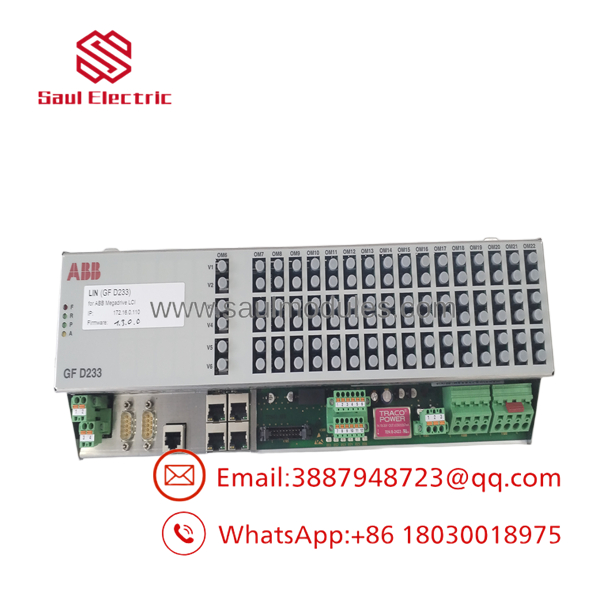
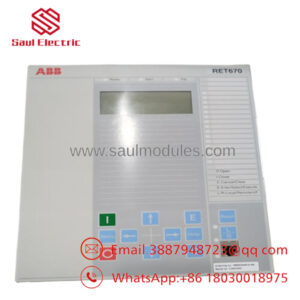
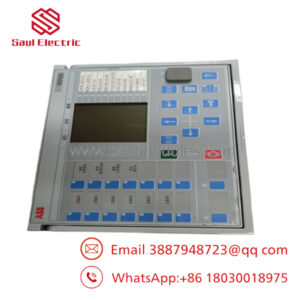
- GFD233
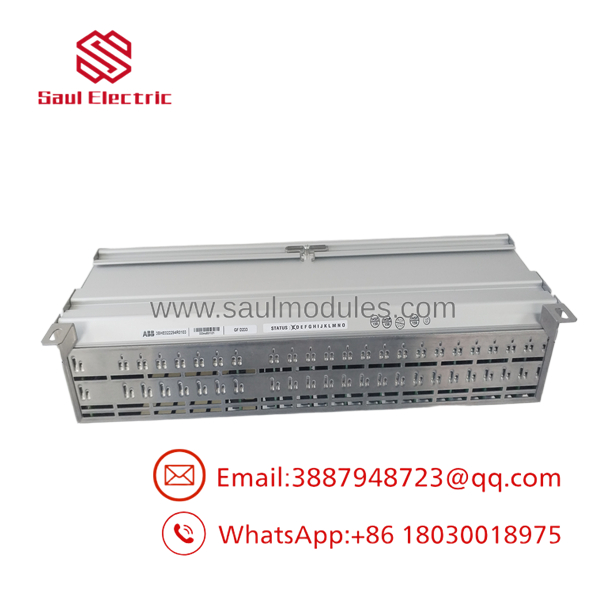
- GFD233
Transparency SOP: QA & Testing
Every module is subjected to a documented inspection process before shipment.
- Verify the ABB material number 3BHE022294R0102.
- Inspect the PCB for damaged components, solder defects, and contamination.
- Examine edge connectors and communication interfaces for wear or oxidation.
- Perform controlled power-up verification using compatible ABB test equipment where available.
- Confirm basic communication and diagnostic status.
- Package the module in ESD-safe materials with industrial-grade shock protection for transport.
The Veteran’s Tech Trap Guide
⚠️ Match the complete part number.
Several hardware revisions exist (for example, 3BHE022294R0101, R0102, and R0103). Although they appear similar, they are not always interchangeable. Verify the complete ABB material number before ordering.
⚠️ Don’t overlook the feedback circuit.
Many excitation faults are caused by defective voltage transformers, current transformers, or fiber-optic communication rather than the control module itself.
PRO TIP:
Before replacing the , save the controller configuration and event history. Diagnostic logs often reveal whether the fault originated from the processing module, external sensors, or communication interfaces.
⚠️ Observe ESD precautions.
The module contains high-density digital components that are sensitive to electrostatic discharge. Always use grounded handling equipment and install the board in an ESD-controlled environment.
Dynamic FAQ
Q1. What is the primary function of the ABB ?
The is a control processing module that performs analog signal processing, data acquisition, and communication for ABB AC 800PEC-based excitation systems and medium-voltage drive applications.
Q2. Which ABB platforms typically use the ?
The module is commonly associated with AC 800PEC control systems used in generator excitation equipment and selected medium-voltage drive installations. Compatibility should always be confirmed using the complete ABB material number and the system spare parts list.
Q3. Can the be replaced without changing application software?
In many maintenance situations, yes. If the replacement module matches the original hardware revision and firmware requirements, application software modifications are generally unnecessary. However, communication and functional verification should be completed during commissioning.
Q4. Are New Surplus modules genuine ABB products?
Yes. New Surplus inventory consists of unused original ABB hardware stored in controlled warehouse conditions. Each module is inspected for part number verification, connector condition, and physical integrity before shipment.
Q5. Why is it important to verify the hardware revision?
ABB has released multiple revisions of the family. Even if the boards are mechanically compatible, differences in firmware support or system configuration can affect operation. Always compare the complete material number before replacement.
Q6. Is warranty available?
Yes. Both New Surplus and professionally refurbished modules are available with warranty coverage. Warranty terms depend on the inventory condition and are confirmed with the sales quotation.

 Start Chat


