





Description
Key Technical Specifications
| Parameter | Value |
| Core Control Platform | ABB AC 800PEC (High-Performance Power Electronics Controller) |
| System Processing Core | Dual-core 32-bit real-time processor architecture |
| Module Identification | PEC80-CCM (Control & Communication Module) |
| Rated Input Supply | 24 VDC nominal operation stage |
| Power Consumption | Approximately 20 W base load |
| Network Protocol Engine | Native support for Profibus DP, Modbus RTU/TCP, PROFINET, and CAN |
| I/O Bus Extension | Direct integration layer for local S800 I/O systems (Up to 2,048 points) |
| Programming Environment | IEC 61131-3 standard languages (Ladder, FBD, Structured Text) |
| Physical Envelope Dimensions | 73.5 mm (W) x 373 mm (H) x 142 mm (D) |
| Net Weight | 1.53 kg (3.37 lbs) |
| Country of Origin | Switzerland (CH) |
Product Introduction
The ABB PCD230A101 (Part Number: 3BHE022291R0101) is a specialized, high-performance processing component belonging to ABB’s premium AC 800PEC power electronics controller family. Operating under the factory classification PEC80-CCM, this module serves as the primary computational and communication core for demanding high-speed automation architectures, such as static excitation systems (UNITROL series), synchronous motor controls, and high-power rectifiers. By utilizing a dual-core 32-bit execution engine, the PCD230A101 processes complex PID closed-loop control algorithms and high-frequency firing patterns within microsecond cycles, ensuring the stable output of generator voltage and grid frequency.
Because power electronics environments generate intense electromagnetic fields, the PCD230A101 isolates processing loops using non-conductive backplane data matrices and direct fiber optic communication links. The card serves as a flexible communication hub, managing simultaneous data exchanges across Profibus DP, Modbus TCP, and Ethernet backbones without suffering performance drops. Furthermore, when matched with ABB S800 safety-rated input/output groups, this controller supports SIL 2 system topologies, actively performing diagnostics on thyristor bridge arrays and excitation transformers to prevent critical equipment damage during unscheduled load-rejection events.
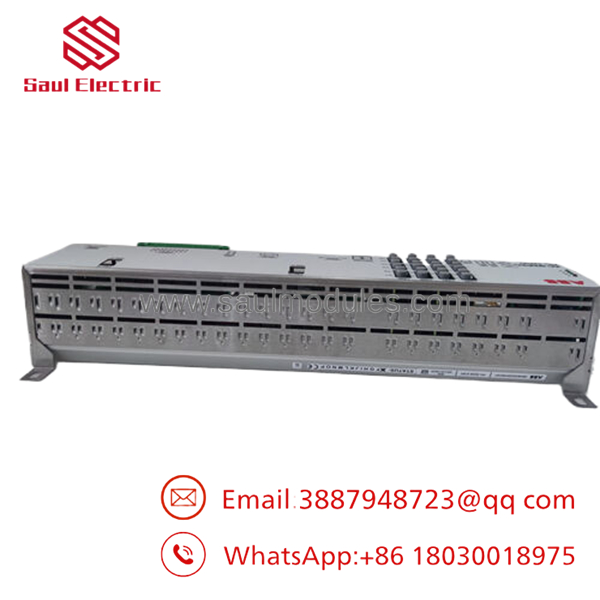
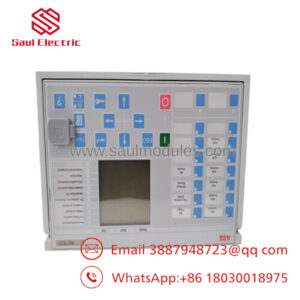
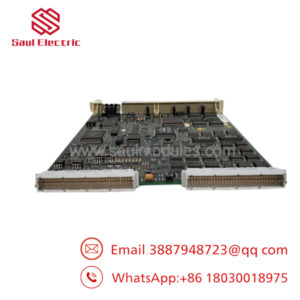
- PCD230A101 3BHE022291R0101
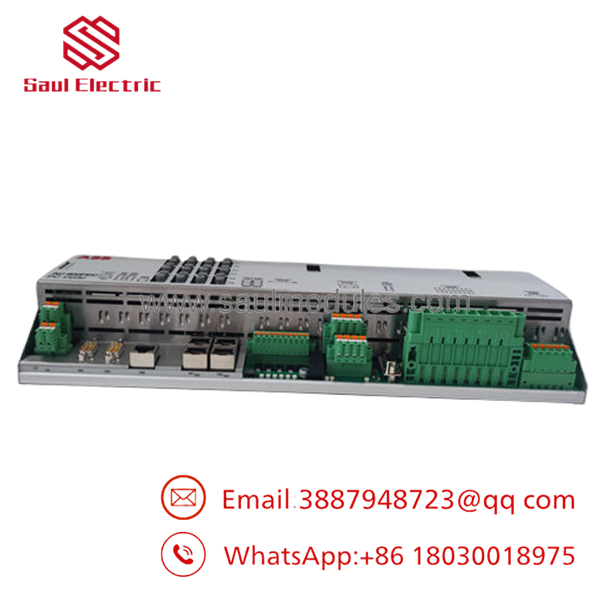
- PCD230A101 3BHE022291R0101
Technical Pitfall & Survival Guide
- The Blank Application Verification Trip
❗ Risk: Slipping a New Surplus PCD230A101 unit straight into a live sub-station rack expecting plug-and-play operation. Hardware variants from distribution inventory do not ship pre-configured with your facility’s unique excitation profiles or PID loop tuning constants. Booting the card without a valid application file matching your system’s hardware signature will cause a non-recoverable watchdog fault, disabling the thyristor firing circuits.
- Avoidance: Before pulling down the failed module, download the full active parameters, sequential logic sheets, and system configuration profiles via ABB Control Builder or specialized PEC toolsets. Load this target configuration image into the replacement module before placing the control rack back into automated service.
- Over-Torquing the Front Connectors
❗ Risk: Forcing or over-tightening the interface pins on the heavy front terminal connections. Excessive mechanical stress can hairline-fracture the multi-layer PCB solder joints deep inside the housing, resulting in intermittent sensor mapping glitches or sudden communication losses when thermal expansion changes the component’s temperature.
- Avoidance: Hand-tighten all terminal locking screws cleanly without using high-torque power drivers. Ensure the field wiring harness is neatly supported by cabinet strain-relief bars so that the physical weight of the thick copper control cables does not pull downward on the front face of the module.
- Shared Power Rail Noise Overload
❗ Risk: Wiring the card’s 24 VDC auxiliary power pins into a common, unconditioned power line shared by high-current solenoid coils, magnetic contactors, or physical mechanical trip relays. High inductive kickback spikes can penetrate the input filters, introducing noise into the analog-to-digital converter stages and causing jitter in your excitation current tracking.
- Avoidance: Supply the from a clean, dedicated, and isolated instrument-grade 24 VDC power supply. Use a dual-diode redundancy configuration to safeguard the processor’s active tracking loop against single-source power supply failures.
Troubleshooting Quick Reference
| Symptom | Possible Cause | Relevance to this Part | Quick Check Method | Recommendation |
| All front status LEDs remain dark on power-up | External 24 VDC supply missing, reverse polarity on the terminal plug, or open input fuse. | ✅ High | Measure voltage across the main 24V supply pins at the module connection base. | If power is verified at the pins but the board remains dead, the internal multi-voltage power regulation matrix has failed. Replace the card. |
| “Fault” or “IRF” LED illuminates red | Internal self-test failure, firmware checksum corruption, or a hardware processor error. | ✅ High | Connect your engineering workstation to the diagnostic port and review the internal system boot log. | If a cold power cycle fails to clear the hardware failure log entry, the 32-bit dual-core hardware block is compromised and needs replacement. |
| S800 extension nodes are missing from the configuration | Communication address mismatch or a damaged bus link. | 🟡 Medium | Verify the expansion bus cabling and node identification switches on the S800 rail. | If adjacent modules communicate normally but the expansion loop drops out at this controller, verify that your active application program has the correct total I/O configuration properties enabled. |
Frequently Asked Questions (FAQ)
What does the factory description “PEC80-CCM” signify on this hardware?
PEC80-CCM stands for Power Electronics Controller 80 – Control & Communication Module. This designation defines the module’s dual responsibility within the AC 800PEC framework: executing high-speed, real-time control logic while managing network interfaces (such as Profibus or Modbus) over a single hardware block.
Can this unit be used in safety-critical generator protection loops?
Yes. When paired with ABB safety-certified I/O modules and configured within the correct engineering guidelines, the platform is certified for SIL 2 system layouts. This classification allows the module to handle critical fast-acting protection routines, such as over-excitation monitoring and field-demagnetization procedures.
Is the firmware pre-loaded on New Surplus modules?
New Surplus modules are typically delivered with clean factory bootloader firmware to ensure flexible site deployment. Because the specific execution profiles differ substantially between a synchronous motor drive and a generator excitation system, your automation engineering team must download the exact application image required for your facility’s configuration.
Why should we choose a New Surplus unit over ordering from factory production?
Excitation control modules manage primary generation assets, where downtime can cost thousands of dollars per hour. Sourcing a New Surplus module provides immediate access to ready-to-ship physical inventory, helping you bypass long factory manufacturing leads and quickly restore your generation train to the grid.

 Start Chat


