





Description
Key Technical Specifications
| Parameter | Value |
|---|---|
| Manufacturer | ABB |
| Model | PM864 |
| Product Family | AC 800M Controller |
| Product Type | Processor Unit |
| CPU Type | MPC862 Microprocessor |
| CPU Frequency | 96 MHz |
| Application Memory | 32 MB SDRAM |
| Firmware Storage | 2 MB Flash PROM |
| Power Supply | 24 V DC (19.2–30 V DC) |
| Ethernet Ports | 2 × 10Base-T Ethernet |
| Serial Ports | 2 × RS-232C |
| ModuleBus Support | Up to 12 S800 I/O units |
| Redundancy Support | Redundancy Control Link available |
| Mounting | TP830 Baseplate / DIN rail system |
| Typical Application | ABB System 800xA process automation |
| Condition | New Original / New Surplus |
Product Introduction & Supply Chain Strategy
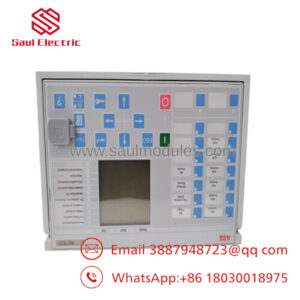
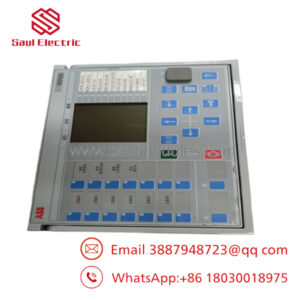
The ABB PM864 is an AC 800M processor unit used as the central controller module in ABB industrial automation systems. It executes control applications, manages communication interfaces, and connects with S800 I/O systems through the AC 800M platform. The PM864 uses an MPC862 processor operating at 96 MHz with 32 MB SDRAM for application execution.
Purchasing the PM864 as New Original / New Surplus supports long-term maintenance of installed ABB control systems. For critical process assets, holding this processor as buffer stock reduces lead time variability, avoids emergency sourcing risks, and improves Total Cost of Ownership (TCO) compared with purchasing uncertain-condition alternatives after an unexpected controller failure.
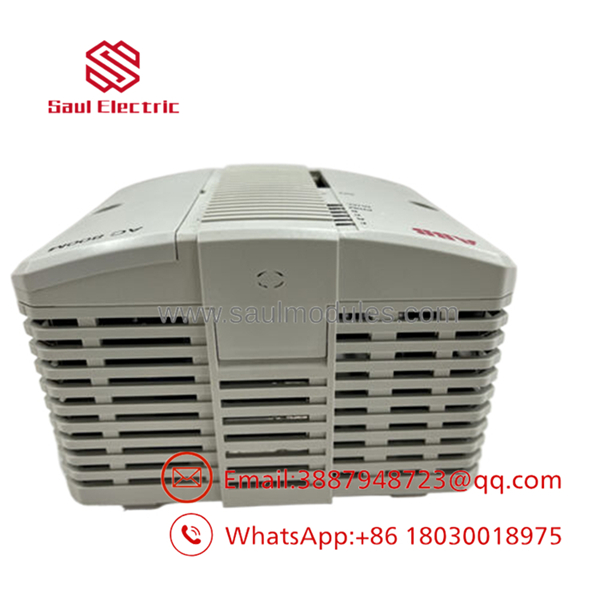
- PM864
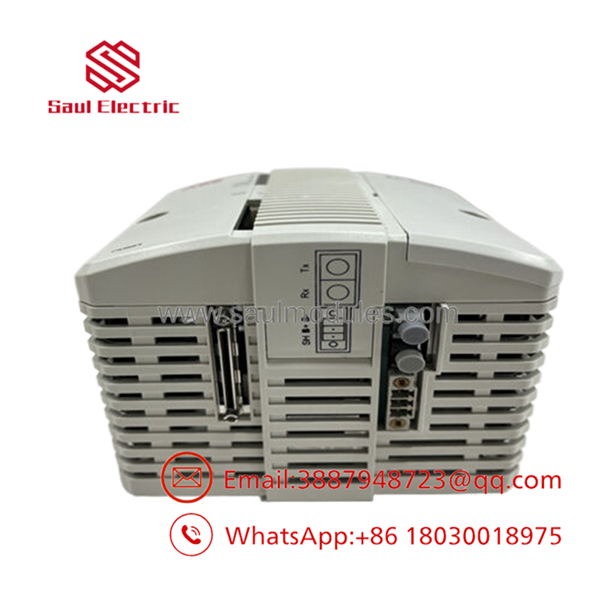
- PM864
Installation & Configuration Guide
Stage 1 – Pre-Installation (Prep & Safety)
- Apply Lock-Out/Tag-Out procedures before opening the control cabinet.
- Verify the replacement part number matches .
- Wear a grounded ESD wrist strap before handling the processor.
- Back up the ABB Control Builder project and controller configuration.
- Record:
- Firmware version
- Controller IP configuration
- Application version
- Network connections
- LED status
- Photograph all cable connections and module positioning.
Stage 2 – Removal
- Shut down the AC 800M controller power supply.
- Confirm the 24 V DC supply is removed.
- Disconnect Ethernet, serial, and ModuleBus connections carefully.
- Release the processor locking mechanism.
- Remove the from the TP830 baseplate.
- Inspect the connector contacts for contamination or mechanical damage.
Stage 3 – Installation (Clone & Seat)
- Verify the replacement identification label.
- Mount the processor onto the existing TP830 baseplate.
- Confirm the module is fully seated.
- Reconnect all communication cables.
- Verify battery backup installation.
- Restore the original network and controller settings.
Stage 4 – Power-On & Testing
- Check 24 V DC supply polarity and voltage.
- Energize the controller cabinet.
- Verify diagnostic LEDs.
- Confirm communication with the engineering workstation.
- Download or activate the approved control application if required.
- Verify S800 I/O communication and process values.
Firmware/Software Versions & Upgrade Notes
- Controller Platform: ABB AC 800M
- Engineering Environment: ABB Control Builder / System 800xA
- Firmware Storage: 2 MB Flash PROM
- Application Memory: 32 MB SDRAM
Compatibility Notes:
- Match firmware with the installed System 800xA and Control Builder version.
- Verify controller libraries before loading an application.
- Confirm communication interface compatibility after replacement.
- Avoid firmware upgrades during emergency hardware swaps unless required.
Upgrade Risks:
- New firmware may require updated controller libraries.
- Older applications may require conversion.
- Downgrading firmware can create configuration conflicts or unsupported operating conditions.
Frequently Asked Questions (FAQ)
1. Is ABB supplied as a genuine new product?
Yes. This unit is supplied as New Original / New Surplus. It is not refurbished, repaired, or removed from a running industrial installation.
2. Why is New Surplus more expensive than refurbished modules?
New Surplus provides unused OEM manufacturing condition and predictable service life. Refurbished alternatives may contain aging electronic components or unknown operating history, creating additional downtime risk.
3. Is ABB an obsolete controller module?
The is part of the AC 800M processor family. Many installed System 800xA environments continue using this hardware platform, making lifecycle planning and Last-time-buy decisions important for critical systems.
4. Can be replaced while the controller is running?
Do not assume hot-swapping is permitted. Processor replacement should follow ABB procedures and site shutdown requirements unless an approved redundancy configuration is available.
5. Will replacing delete the PLC/DCS program?
The processor stores firmware, configuration, and application-related data, but replacement requires proper backup and restoration procedures. Always save the current Control Builder project before removal.
6. What inspection process is performed before shipment?
New Surplus units are checked through:
- OEM part number verification
- Serial and label inspection
- Connector condition check
- Visual inspection
- Functional verification where applicable
- ESD-safe packaging
7. What warranty period is recommended for this critical spare?
A 12-month warranty is commonly recommended for industrial automation processor modules. Maintaining an on-site spare reduces production interruption risk and supports reliable plant operation.

 Start Chat


