





Description
Product Introduction & Engineering Value
When a control valve refuses to follow its command or a variable frequency drive ignores a speed reference, the problem is not always the field device. An unstable or incorrectly configured analog output module can produce symptoms that resemble valve, transmitter, or wiring failures.
The 1771-OFE2 was developed for PLC-5 systems that require precise 4–20 mA analog outputs. Each of its four channels is electrically isolated, helping reduce interference between loops and improving measurement integrity in industrial process control systems. It communicates with the PLC using Block Transfer instructions, making proper configuration just as important as correct wiring.
Technical Specifications
| Specification | Value |
|---|---|
| Manufacturer | Allen-Bradley / Rockwell Automation |
| Catalog Number | 1771-OFE2 |
| Product Family | 1771 PLC-5 I/O |
| Module Type | Analog Current Output Module |
| Number of Outputs | 4 Individually Isolated Channels |
| Output Signal | 4–20 mA |
| Resolution | 12-bit Binary |
| Output Configuration | Differential, Individually Isolated |
| Isolation Rating | 1000V Channel Isolation |
| Data Format | Natural Binary or BCD (±9999 Scaling) |
| Backplane Current | Approximately 1.5 A @ 5V DC |
| Power Dissipation | 7.9 W |
| External Power Required | None |
| Wiring Arm | 1771-WC or 1771-WH |
| Installation | Single Slot in 1771 I/O Chassis |
| Communication Method | Block Transfer Read (BTR) / Block Transfer Write (BTW) |
| Lifecycle Status | Discontinued |
Technical specifications are based on Rockwell Automation documentation and published installation data.
Field Application & The “Trench” Experience
A refinery modernization project experienced unstable steam pressure control after replacing several pneumatic valve positioners. Instrument technicians recalibrated every valve, yet the control loops continued to oscillate.
The maintenance engineer eventually connected a loop calibrator directly to the output module and found that one analog channel had been incorrectly configured during commissioning. After restoring the proper Block Transfer configuration and verifying all four 4–20 mA outputs, the valves immediately responded as expected and the pressure loops stabilized without modifying the PLC program.
Typical application scenarios include:
- Catalytic cracking unit control valves requiring isolated 4–20 mA positioning signals.
- Boiler combustion air dampers controlled through analog current outputs.
- Chemical dosing skids regulating metering pumps and proportional control valves.
Transparency SOP: QA & Testing
Before shipment, every 1771-OFE2 follows a documented inspection process.
- Verify the catalog number, hardware revision, and manufacturer identification.
- Inspect the edge connector, enclosure, and field wiring interface.
- Install the module in a verified 1771 PLC-5 chassis.
- Measure each 4–20 mA output using calibrated precision current instrumentation.
- Verify channel isolation, Block Transfer communication, and output stability.
- Record all inspection results before releasing the module as New Surplus or Refurbished.
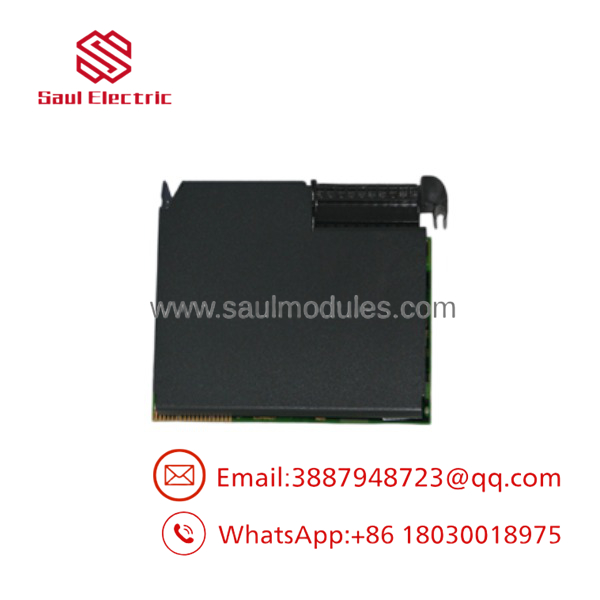
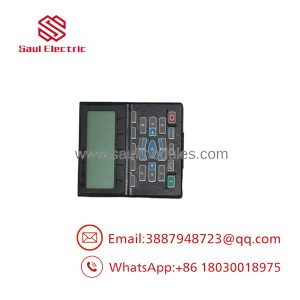
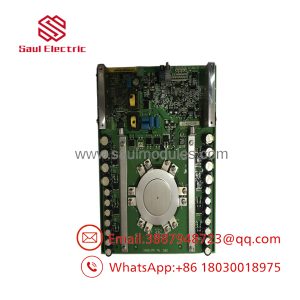
- 1771-OFE2
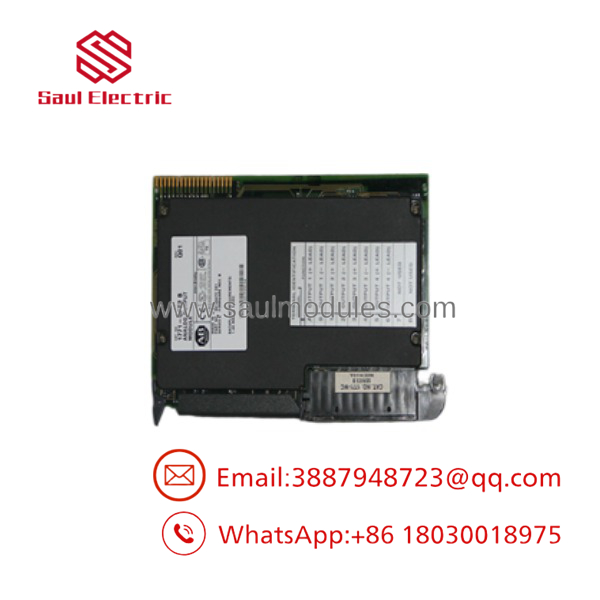
- 1771-OFE2
The Veteran’s Tech Trap Guide
⚠️ Remember That This Is a Current Output Module
The 1771-OFE2 generates 4–20 mA signals only. If the field device requires a voltage reference (such as 0–10V or ±10V), the correct module is 1771-OFE1, not the .
⚠️ Don’t Skip Block Transfer Configuration
Unlike modern ControlLogix analog modules, the 1771- relies on Block Transfer Write (BTW) instructions for configuration. If the BTW logic is missing or incorrect, the module may appear healthy while producing incorrect output values.
PRO TIP: Before replacing the module, disconnect the field wiring and verify each channel with a loop calibrator. Problems attributed to the analog output card are frequently caused by damaged valve positioners, incorrect loop impedance, or wiring faults downstream of the PLC.
Dynamic FAQ
Q1. What analog output signal does the 1771- provide?
The module provides four individually isolated 4–20 mA analog current outputs for industrial process control applications.
Q2. How many output channels are available?
The 1771- includes four isolated differential analog output channels, allowing independent control of multiple field devices.
Q3. Does the module require an external power supply?
No. The module receives operating power from the 1771 I/O chassis backplane and does not require a separate external power source.
Q4. Is the 1771- still manufactured?
No. Rockwell Automation discontinued the on March 4, 2021 and has not identified a direct Rockwell replacement for this module.
Q5. How is New Surplus inventory verified?
Every module undergoes catalog verification, visual inspection, calibrated 4–20 mA output testing on all four channels, isolation verification, and PLC-5 communication testing before shipment.
Q6. What is the most common commissioning mistake?
The most common issues are incorrect Block Transfer configuration, connecting a voltage-input field device to a current-output module, or failing to verify loop impedance before startup. Confirm the output configuration and field device requirements before replacing hardware.

 Start Chat


