





Description
Product Introduction
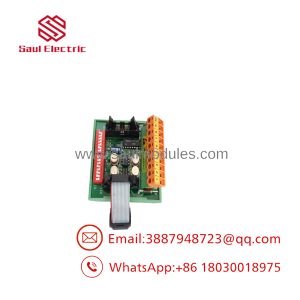
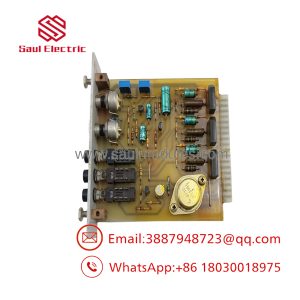
The Autronica KDM-8A-04-M3 is a high-reliability processing and interface module engineered specifically for main engine monitoring, generator safety trips, and auxiliary machinery alarm systems on ocean-going vessels. Built to withstand the brutal vibration and thermal cycles of engine room environments, it interfaces directly with critical temperature, pressure, and fluid level sensors across diesel propulsion plant setups.
Unlike general-purpose industrial PLC input cards, the KDM-8A-04-M3 integrates onboard conditioning hardware designed specifically for marine-grade RTD (Pt100), thermocouple, and standard current loop sensors. Its hardware logic processes rapid sensor inputs locally, executing critical shutdown outputs independently of central server delays. For chief engineers and marine automation technicians dealing with intermittent sensor faults or failed alarm channels on legacy engines, dropping in a verified KDM-8A-04-M3 board restores engine room alarm monitoring and class compliance fast.
Key Technical Specifications
| Parameter | Specification |
| Manufacturer & Part No. | Autronica / Kongsberg Maritime KDM-8A-04-M3 |
| System Compatibility | Autronica / Kongsberg KDM-8 / Chief Alarm Systems |
| Input Channels | Multi-channel analog input conditioning (Configurable per group) |
| Supported Sensors | Pt100 RTDs, Thermocouples (Type J/K), 4-20 mA, Voltage inputs |
| Operating Voltage | 24 VDC Nominal (Dual redundant supply rails) |
| Digital Outputs | Solid-state / Relay dry contacts for local trip interlocks |
| Communication Bus | Redundant serial / CAN bus system connection |
| Mounting Configuration | Eurocard rack format with front-panel locking handles |
| Conformal Coating | Heavy-duty marine varnish against humidity, oil vapor, and vibration |
| Class Certifications | DNV, ABS, LR, ClassNK compliance |
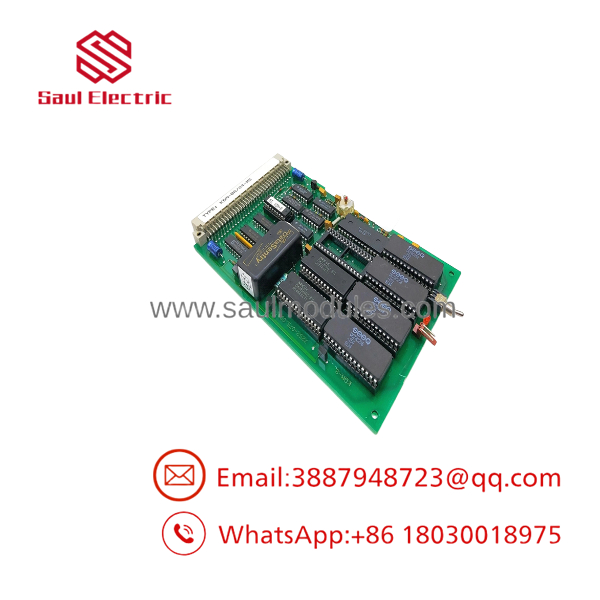
KDM-8A-04-M3
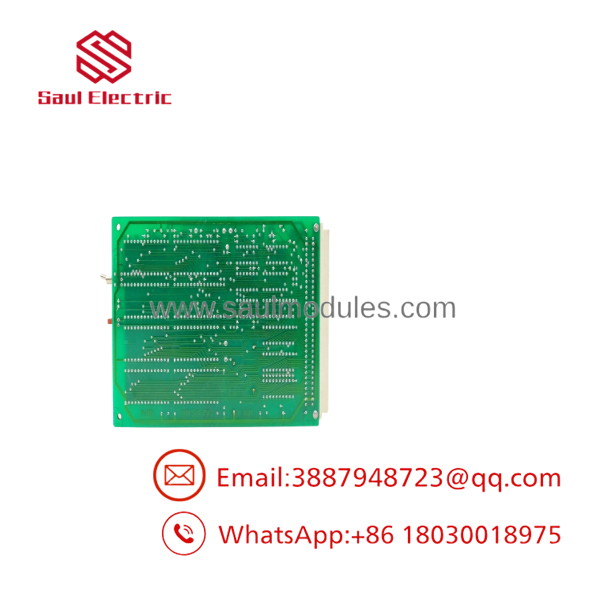
KDM-8A-04-M3
Application Scenarios & The “Trench” Experience
The Chief Engineer’s 2 AM Emergency
You are 400 nautical miles off the coast on a heavy container vessel at 02:15. A sudden “Main Engine Exhaust Temp High – Channel Fault” light flashes on the engine control room (ECR) alarm console, accompanied by a false automatic slowdown request to the bridge governor. Channel 4 on the engine safety rack went erratic due to an internal amplifier breakdown on the input card. You cannot run the engine with a crippled safety shutdown channel without risking serious mechanical damage or class detention. You need to pull the failing module, configure the replacement KDM-8A-04-M3, slide it into the rack card cage, and restore stable exhaust gas temperature monitoring before lost vessel speed ruins your port schedule.
Key Field Applications
- Main Propulsion Engine Safeguards: Monitoring cylinder exhaust gas temperatures, main bearing temperatures, and scavenge air pressures.
- Diesel Generator Alarm Racks: Real-time acquisition of lube oil pressure, jacket water temperature, and winding temperatures.
- Auxiliary Boiler Systems: Continuous monitoring of steam pressures, water levels, and burner flame parameters.
- Marine Automation Retrofits: Replacing failed input channels in legacy Kongsberg/Autronica engine safety networks.
Transparency SOP: Quality Assurance & Testing
Engine safety modules require absolute precision—a single false trip can shut down main propulsion in critical waterways. We don’t just ship boxes; we test them on actual test rigs.
- Inbound Visual & PCB Audit: Inspection of backplane edge connectors, surface-mount components, trace isolation, and front latch mechanisms.
- Backplane Power Rail & Bus Testing: Board is powered up in a live rack framework to verify initial boot sequence, clock stability, and bus communication initialization.
- Multi-Channel Calibration Check: Simulating precise Pt100 resistance values and 4-20mA current loops across every input terminal to check analog-to-digital converter (ADC) accuracy.
- Alarm & Trip Output Verification: Triggering high/low setpoints to confirm rapid solid-state trip relay actuation and bus alarm transmission.
- Vibration Cushioning & ESD Packaging: Boards are cleared, vacuum-sealed in ESD shielding material, and packed with high-density foam to survive marine transport.
The Veteran’s Tech Trap Guide (Crucial Value-Add)
⚠️ Verify Solder Jumpers and DIP Settings Before Slotted Insertion
The KDM-8A-04-M3 uses internal solder bridges or micro-DIP switches on the circuit board to define input signal types (Pt100 vs 4-20mA vs Thermocouple). Take a close look at the jumper field on your old failed module before throwing it away. If you insert a replacement set for 4-20mA into a channel wired for Pt100 RTDs, your temperature readings will be completely scaled wrong and throw instant sensor break faults.
❗ Inspect Card Guide Pins and Edge Connectors for Oxidation
Marine engine rooms are hot and humid. When pulling an old card, inspect the gold-plated edge connector on the backplane rack. If you see black tarnish or oily film on the mating receptacle, clean it with electrical contact spray and a soft lint-free swab before inserting the new card. Bad backplane contact causes intermittent bus drops that look like a faulty board.
⚠️ Always Isolate Redundant 24V Power Before Rack Extraction
Even though rack cards have front locking handles, pulling a module out of an active backplane while heavy inductive loads (solenoids or external relays) are energizing can cause voltage arcs across the edge connector pins. Turn off the board’s designated DC breaker before extracting or inserting modules.
Frequently Asked Questions (FAQ for Conversion)
Q: Is the interchangeable with older KDM-8A-01 or KDM-8A-02 revisions?
A: Not directly. The ‘-M3’ hardware spin usually denotes specific signal processing firmware, updated ADC components, and modified pin configurations for third-generation Chief systems. Always verify board suffix and hardware part numbers with your system manual before substituting.
Q: Can I calibrate channel zero and span directly on the board?
A: Analog scaling and zero/span offsets are managed digitally via the central operator workstation software, though baseline board initialization requires proper hardware jumper configuration prior to power-up.
Q: Why buying surplus or refurbished boards is critical for older ships?
A: OEMs often designate early-generation KDM hardware as mature or discontinued, urging full engine room automation upgrades that cost tens of thousands of dollars. Purchasing verified surplus modules lets you keep existing engine safety racks fully operational without expensive panel overhauls.
Q: How do I know if my issue is a bad sensor or a bad input channel?
A: Swap the signal wires of the suspect channel with an adjacent, known-good channel on the same board. If the fault stays on the original channel number on the display console, the input channel on the board is bad. If the fault moves to the new channel number, the issue is field wiring or a bad sensor out on the engine.
Q: What warranty comes with your surplus or refurbished modules?
A: Every module we ship—whether new surplus or fully bench-refurbished—is backed by our comprehensive 12-month replacement warranty.

 Start Chat


