





Description
Product Introduction
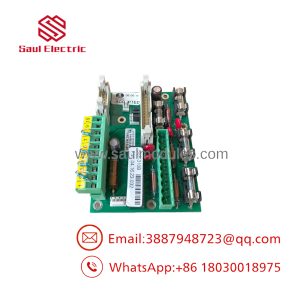
The Autronica KMH-200A (Part Number: 7252-084.0001) is a specialized analog temperature processing and alarm board built for Autronica and Kongsberg Maritime legacy engine room safety racks. Fitted inside central machinery alarm cabinets, it takes direct signal inputs from temperature sensors deployed across heavy diesel propulsion plants, auxiliary generators, and marine boiler enclosures.
The card conditions raw thermal data, compares real-time values against onboard limit thresholds, and drives dedicated output alarm relays for central alarm monitoring systems. Part number 7252-084.0001 represents the specific hardware revision featuring updated analog-to-digital converter circuitry and marine-grade conformal coating for high-vibration engine environments. For chief engineers keeping legacy vessels compliant with DNV, ABS, or ClassNK standards, dropping in a tested KMH-200A card resolves sensor processing faults fast without replacing the whole alarm panel.
Key Technical Specifications
| Parameter | Specification |
| Manufacturer & Part No. | Autronica / Kongsberg KMH-200A (7252-084.0001) |
| System Compatibility | Autronica KMH, KD-10, KD-20 Engine Safety Systems |
| Input Signal Types | Pt100 RTD sensors, Thermocouples (Type J/K) |
| Operating Voltage | 24 VDC Nominal (Internal backplane rack powered) |
| Alarm Logic | Onboard threshold comparison with dry contact relay outputs |
| Onboard Adjustments | Multi-turn potentiometers / DIP jumpers for zero, span, and setpoints |
| Form Factor | Standard Eurocard slide-in board with front card-ejector handle |
| Interface Connector | DIN 41612 multi-pin edge connector |
| Status Indicators | Front-panel LED indicators for channel trip status and power |
| Conformal Coating | Marine-grade protective varnish against humidity and oil mist |
Application Scenarios & The “Trench” Experience
The Chief Engineer’s 2 AM Emergency
You are on a 15-year-old product tanker navigating the English Channel at 02:00. An engine room alarm trips: “Cylinder No. 3 Exhaust Temp High – Sensor Break.” A quick local manual pyrometer check confirms Cylinder 3 exhaust gas temperature is running totally normal at 380°C. Channel 3 on the aging KMH-200A board in the main ECR cabinet suffered an internal op-amp failure, reading a false 650°C and threatening an automatic engine slowdown in a busy shipping lane. You cannot run with a bad exhaust trip card during narrow channel transit. You need to pull the failing card, set the jumpers on a spare KMH-200A (7252-084.0001), slide it into the rack slot, and clear the fault immediately.
Key Field Applications
- Main Engine Exhaust Monitoring: Measuring individual cylinder exhaust temperatures on 2-stroke and 4-stroke propulsion engines.
- Main Bearing Safety Racks: Continuous thermal monitoring across journal bearings, thrust pads, and crosshead guides.
- Auxiliary Generator Safeguards: Lube oil, jacket water, and alternator winding high-temperature alarm trips.
- Marine Panel Maintenance: Drop-in board replacement during scheduled vessel drydocking or class inspections.
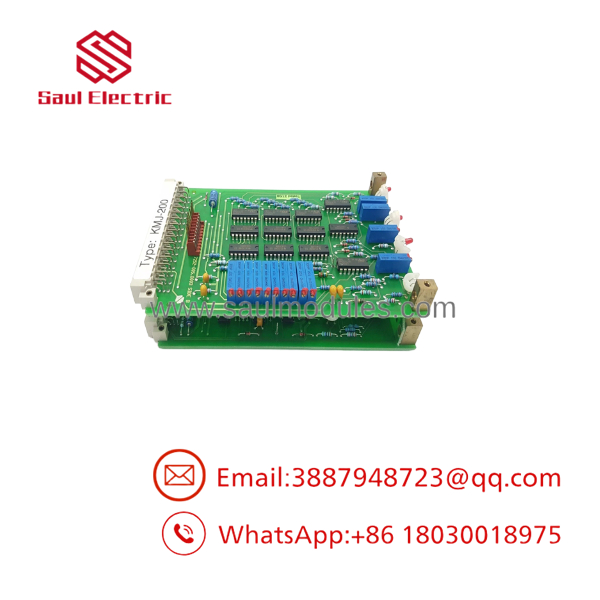
KMH-200A 7252-084.0001
Transparency SOP: Quality Assurance & Testing
Engine safety modules require complete accuracy—a false temperature reading can cause an unexpected propulsion slowdown in tight waters. We don’t just ship boxes; we test them on actual Autronica test rigs.
- Inbound Visual & Mechanical Audit: Comprehensive check of backplane edge connector pins, onboard potentiometers, capacitors, and front latch handles.
- Backplane Power-On Diagnostics: Card is inserted into a live test rack frame to verify internal voltage rail stability and logic initialization.
- Multi-Channel Thermal Calibration: Precision decade resistance boxes and voltage injectors simulate exact sensor ranges to verify analog scaling accuracy across all input channels.
- Trip Relay & LED Validation: Signal thresholds are pushed past limit levels to confirm immediate trip relay dropout and front LED lighting.
- Anti-Static Sealing & Marine Packaging: Boards are cleaned, vacuum-bagged in ESD shielding material, and packaged in dense industrial foam to withstand transit vibration.
The Veteran’s Tech Trap Guide (Crucial Value-Add)
⚠️ Match Board Suffix and Part Number 7252-084.0001 Exactly
Autronica manufactured several iterations of the KMH-200 board family over the years. Part number 7252-084.0001 denotes specific input conditioning components and gain settings. Placing a different KMH-200 variant into a 7252-084.0001 slot can result in incorrect temperature scaling or false trip triggers.
❗ Take Note of Onboard Jumper Placements Before Swapping
The KMH-200A board uses hardware jumpers or micro-switches to define input sensor types (Pt100 vs Thermocouple) and operating ranges. Always take a high-res photo of the jumper array on the failed board before pulling it out of the rack. Mirroring those exact jumper positions on the replacement board prevents immediate sensor-fault alarms upon power-up.
⚠️ Clean the Rack Edge Connector Socket First
Engine room air carries fine oil mist that settles inside panel card cages over years of operation. Before sliding the new board into the card cage, spray the female backplane connector with electrical contact cleaner and wipe the card’s gold edge pins with isopropyl alcohol to prevent bad contact faults.
Frequently Asked Questions (FAQ for Conversion)
Q: Can I hot-swap the module while the main alarm rack is powered?
A: No. Removing or inserting card modules while backplane power is active can cause arc jumping across edge pins or trigger temporary voltage dips that drop adjacent engine safety channels. Always isolate rack slot power before swapping boards.
Q: Is the 7252-084.0001 compatible with 2-wire and 3-wire Pt100 sensors?
A: Yes, though 3-wire RTD configurations are standard on marine installations to compensate for long cable resistance. If using 2-wire sensors, bridge the compensation terminal directly at the backplane terminal block.
Q: How do I tell if an alarm issue is caused by the card or a bad field sensor?
A: Disconnect the field wires for the suspect channel at the back of the rack and land a fixed Pt100 decade box or 100-ohm resistor directly onto the input terminals. If the console reads a steady 0°C (at 100 Ω), the board is functioning correctly and the fault lies out in the engine room wiring or sensor tip.
Q: Why buy a surplus or refurbished board instead of upgrading the alarm system?
A: Upgrading a complete engine room alarm and safety system requires replacing sensor harnesses, rewiring main control cabinets, and undergoing full class re-certification—a project costing tens of thousands of dollars. Installing a tested surplus board keeps your vessel fully operational at a fraction of the cost.
Q: What warranty coverage comes with your surplus or refurbished modules?
A: Every (7252-084.0001) board we ship—whether new surplus or fully bench-tested refurbished stock—is backed by our full 12-month replacement warranty.

 Start Chat


