





Description
Product Introduction
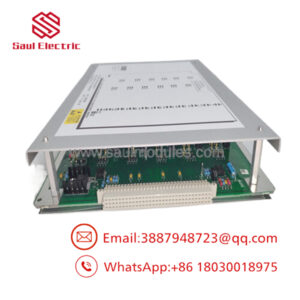
The Bently Nevada 3500/33 is a full-height 16-channel dry-contact output module designed for the 3500 Machinery Protection System. Operating as the primary hardware interface between the 3500 rack’s internal protection logic and external plant control systems, it automatically drives emergency machinery trip circuits, solenoid valves, and visual/audible alarms when monitoring cards detect out-of-spec vibration, thrust, or temperature levels.
Unlike the 4-channel 3500/32 relay module, the 3500/33 packs 16 fully independent Single Pole Double Throw (SPDT) electromechanical relays into a single slot. Each relay channel can be programmed independently using Bently Nevada 3500 Rack Configuration Software to execute complex voting logic (e.g., 1-out-of-2, 2-out-of-2, or 2-out-of-3 trip configurations) based on alarm and Danger/Trip signals generated by any combination of monitor modules across the backplane.
Key Technical Specifications
| Parameter | Options / Configuration Value |
| Slot Type / Form Factor | Full-Height Slot Module (installs in any available monitor slot, Slots 2–15) |
| Number of Relays | 16 Independent SPDT (Form C) Electromechanical Relays |
| Relay Contact Rating | 5.0 A @ 250 VAC / 30 VDC (Resistive load max) |
| Minimum Contact Load | 10 mA @ 5 VDC (for low-current signaling inputs) |
| Logic Programming | Software configurable for AND/OR, Voting, Latching/Non-Latching, Normally De-Energized / Normally Energized (Fail-Safe) |
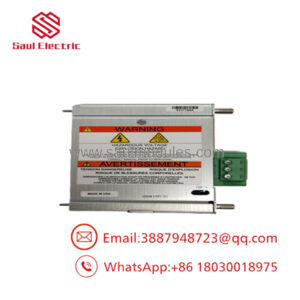
| Rear Terminal Modules | Internal Termination or External Termination Block Options |
| Power Consumption | 5.8 Watts typical (all 16 relays energized) |
| Operating Temperature | -30°C to +65°C (-22°F to +150°F) |
| Agency Approvals | CSA, ATEX, IECEx, CE, Class I Div 2 / Zone 2 compliant |
Application Scenarios & The “Trench” Experience
Picture this: A major gas-processing site suffers a sudden lube oil pressure loss on a 15,000 HP compressor, causing shaft thrust position to spike into the Danger zone on Channel 1 and Channel 2 simultaneously. The 3500/42M monitor cards evaluate the inputs and send a backplane signal to the 3500/33 16-Channel Relay card. Configured for a “2-out-of-2” voting scheme, Relay 1 opens the emergency trip valve, while Relay 2 and Relay 3 instantly signal the plant DCS and light up local horn annunciators—shutting down the driver in under 100 milliseconds and saving millions in unbalance casing destruction.
- High-Density Alarm Interlocking – Multi-Bearing Turbine Skids – Routes individual bearing Alert and Danger alarms to separate DCS inputs without crowding rack slot space.
- Emergency Machinery Trip (ESD) Logic – Critical Compressors & Hydro Generators – Executes hardware-enforced Voting Logic (2oo2, 2oo3) directly at the relay contacts to eliminate false trips caused by single-channel instrument glitches.
- Plant Annunciator & Auxiliary Controls – Refinery & Power Plants – Drives field sirens, warning beacons, and remote auxiliary oil pump motor starters.
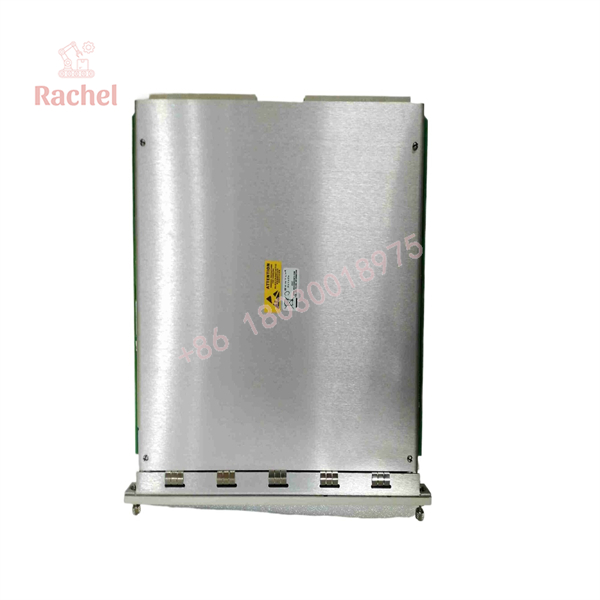
3500/33
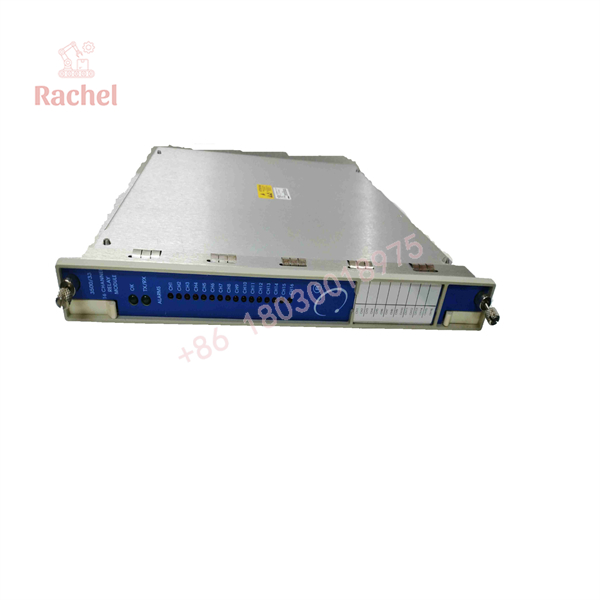
3500/33
Transparency SOP: Quality Assurance & Testing
We test every 3500/33 module on live 3500 rack test benches prior to shipment:
- Physical & Terminal Inspection: Inspect faceplate latching mechanism, edge connector pins, and rear I/O terminal connector threads.
- Backplane & Logic Self-Test: Seat card in a 3500 test chassis, power up, and verify OK LED status during card initialization.
- 16-Channel Relay Contact Resistance Sweep: Command each of the 16 relays to actuate individually via 3500 Rack Configuration Software; measure contact resistance across NO (Normally Open) and NC (Normally Closed) terminals to verify zero pitting/oxidation (<0.1\ \Omega).
- Latching & Fail-Safe Functional Check: Verify relay state transitions during simulated rack power down (confirming fail-safe de-energize behavior).
- Final QC & ESD Packaging: Enclose module in anti-static ESD shielding bags and ship inside custom foam-lined cartons.
The Veteran’s Tech Trap Guide
- ⚠️ 4-Channel (3500/32) vs. 16-Channel (3500/33) Voltage Limits: While the 3500/32 relay card uses heavy-duty relays rated for high inductive switching, the 3500/33 compresses 16 relays into one card slot. Be strict about contact ratings: do NOT exceed 5 Amps per contact. For switching high-current DC inductive loads (like heavy solenoid trip coils), use an intermediate interposing relay to protect the 3500/33 internal card traces!
- ❗ Normally Energized (Fail-Safe) vs. Normally De-Energized: By default, critical trip relays are often configured as Normally Energized (NE / Fail-Safe). In this mode, the relay coil drops out on power loss, triggering a trip. If you pull the 3500/33 card or drop rack power, those relays will change state! Make sure your plant trip loops are bypassed prior to hot-swapping or re-configuring relay settings.
- ⚠️ Voting Logic Configured in Software: Relay channel assignment and voting logic (e.g., 2oo3 voting from 3 different monitor slots) are set entirely inside the 3500 Rack Configuration Software. The hardware simply executes what is programmed. Always download and verify the configuration file after card replacement.
- ❗ Latching vs. Non-Latching Settings: If a relay is set to Latching, it will remain in the Alarm/Trip state even after shaft vibration drops back into normal limits. The relay will NOT clear until a manual “Rack Reset” command is sent via software, front panel reset key, or remote contact closure.
Frequently Asked Questions (FAQ)
Q: Can I replace a 4-channel 3500/32 relay card with a 16-channel 3500/33 card?
A: Yes, but it requires updating the rack configuration in Bently Nevada 3500 Rack Configuration Software and installing the matching 3500/33 rear I/O module and field wiring.
Q: Can a single 3500/33 relay card combine signals from multiple monitor slots?
A: Yes. A single 3500/33 card can process alarm conditions generated by any monitor card inside the same 3500 rack (e.g., combining thrust alarms from Slot 3 and vibration alarms from Slot 5).
Q: What happens to the relays if the 3500/33 card loses communication with the rack?
A: If the module loses backplane communication or power, the relays automatically return to their unpowered state (de-energized state).
Q: Is the 3500/33 card hot-swappable?
A: Yes. You can remove or install a 3500/33 card while the 3500 rack is powered, provided you have bypassed external trip circuits to prevent unwanted equipment shutdowns during card removal.

 Start Chat


