





Description
Product Introduction & Engineering Value
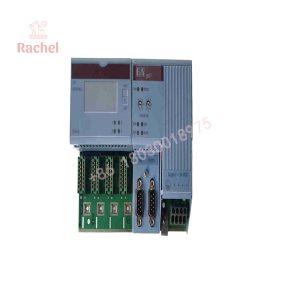
The B&R 7DI138.70 digital input module provides the signal interface between field devices and System 2003 PLC controllers. It converts external 24 VDC signals from sensors, switches, limit devices, and machine components into usable PLC input states for control logic execution.
In legacy machine automation systems, digital I/O modules often become failure points after years of vibration, electrical switching cycles, and cabinet temperature changes. Maintaining a tested 7DI138.70 spare allows maintenance teams to restore machine signals quickly without redesigning existing wiring or PLC configurations.
Technical Specifications
| Specification | Details |
|---|---|
| Manufacturer | B&R Industrial Automation |
| Model Number | 7DI138.70 |
| Product Series | System 2003 |
| Module Type | Digital Input Module |
| Number of Inputs | 16 channels |
| Input Voltage | 24 VDC |
| Input Current | Approx. 5 mA per input |
| Signal Level | IEC-compatible digital switching signals |
| Input Delay | Hardware filtering dependent |
| Isolation | Electrical isolation between field and logic circuits |
| Connection | Screw-in terminal interface |
| Mounting | B&R System 2003 rack/module carrier |
| Operating Temperature | Industrial automation environment |
| Application | Machine control and process monitoring |
Field Application & The “Trench” Experience
A machine builder operating a large automated assembly line reported intermittent sequence stops. Operators noticed that the PLC program stopped waiting for confirmation signals from several pneumatic actuators.
The maintenance team replaced sensors first because the missing signals were associated with mechanical movements. However, field devices tested correctly when measured directly.
Further diagnosis showed several input channels on the B&R System 2003 rack were not responding consistently. The faulty 7DI138.70 digital input module was replaced with a tested spare. After wiring verification and PLC diagnostics, all actuator feedback signals returned to normal operation.
The practical lesson: when several unrelated field devices fail at the same time, the shared I/O interface is often the real source.
Typical application scenarios:
- Automated assembly machine position sensing
- Packaging equipment limit switch monitoring
- Material handling system interlocks
- Industrial machine safety feedback circuits
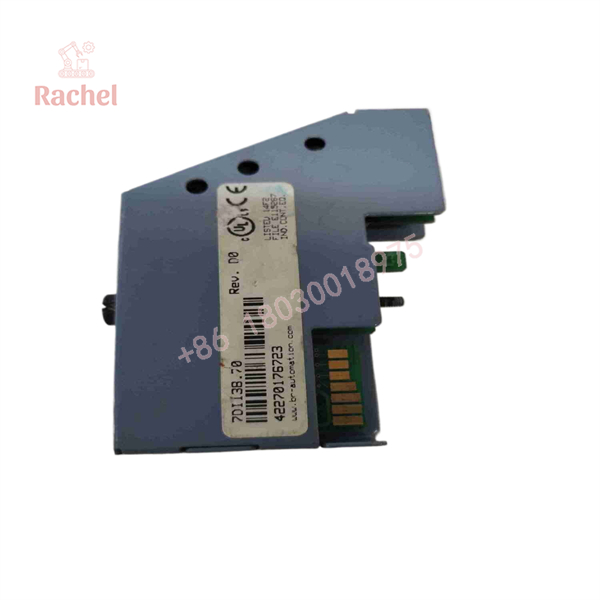
7DI138.70
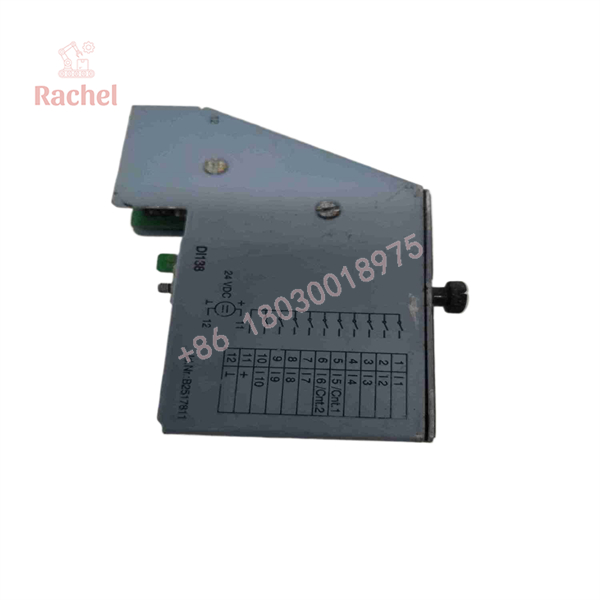
7DI138.70
Transparency SOP: QA & Testing
Digital input modules are tested using simulated field signals and communication verification.
Inspection workflow:
1. Identification Review
- Confirm B&R manufacturer marking.
- Verify part number: 7DI138.70.
- Inspect terminal connectors and housing.
2. Physical Inspection
- Check PCB condition.
- Inspect screw terminals.
- Verify mounting mechanism.
- Check for contamination or corrosion.
3. Input Channel Testing
- Apply 24 VDC test signals.
- Verify all input channels.
- Confirm LED status indication.
- Check signal response consistency.
4. Controller Communication Test
- Install in compatible System 2003 environment.
- Verify module recognition.
- Confirm PLC input status changes.
5. Final Documentation
- Record test results.
- Document hardware condition.
- Assign inventory status:
- New Surplus
- Refurbished
- Tested Used
The Veteran’s Tech Trap Guide
⚠️ Trap #1: Assuming All B&R Digital Input Modules Are Interchangeable
System 2003 modules may look similar but have different:
- Channel counts
- Electrical characteristics
- Terminal assignments
- Input configurations
Always match the complete order number.
⚠️ Trap #2: Forgetting to Verify Input Wiring
A replacement module may be healthy while the wiring configuration is incorrect.
Check:
- Terminal mapping
- Common connections
- 0 V reference
- Field device voltage level
PRO TIP: Photograph the original terminal arrangement before removing the failed module.
⚠️ Trap #3: Ignoring Electrical Noise
Machines with motors, solenoids, and contactors can introduce switching noise.
Investigate:
- Suppression components
- Shielding
- Grounding
- Cabinet layout
Repeated digital input failures are often related to the surrounding electrical environment.
Dynamic FAQ
Q1. What is the B&R 7DI138.70 used for?
The B&R 7DI138.70 is a System 2003 digital input module used to collect 24 VDC signals from industrial sensors, switches, and machine devices.
Q2. How many inputs does the 7DI138.70 provide?
The module provides 16 digital input channels for connection to field devices.
Q3. Is the 7DI138.70 compatible with newer B&R systems?
The 7DI138.70 is designed for the B&R System 2003 platform. Compatibility with newer B&R controller families should be verified through hardware configuration and application requirements.
Q4. What should buyers verify before purchasing a New Surplus 7DI138.70?
Recommended checks:
- Exact B&R order number
- System 2003 compatibility
- Terminal condition
- Input channel test records
- Hardware revision
- Warranty coverage
Q5. Can a refurbished 7DI138.70 be used in production machinery?
Yes, if the module has passed channel-by-channel input testing and System 2003 communication verification.
Q6. Why keep a spare 7DI138.70 in inventory?
Digital input failures can stop machine sequences immediately. A tested spare reduces troubleshooting time because technicians can quickly isolate whether the fault is in field wiring, sensors, or the PLC I/O hardware.

 Start Chat


