





Description
Core Product Summary
The DEIF FAS-2R is a full-automatic synchronising relay from DEIF A/S of Skive, Denmark, used to synchronise a generator to the busbar and initiate closing of the generator circuit breaker. It belongs to DEIF’s FAS synchroniser family, a series of relays for the protection and control of generators applied in power generation and marine switchboard installations. The unit carries DEIF type number 18146-6.
As an automatic synchroniser, the FAS-2R measures the voltage difference, slip frequency, and phase angle between the generator and the busbar, issues relay-output speed-adjustment pulses to the generator’s governor until the synchronising conditions are within their preset limits, and then releases the circuit breaker closing signal. DEIF’s synchronisers are designed to work with a wide range of prime movers — from slow-reacting diesel engines to fast-reacting gas turbines — because the control pulses can be set to match the speed of the driven machine. Its relay outputs are typically converted to a control voltage for the governor or AVR by DEIF’s electronic potentiometer type EPN-110DN.
Key Technical Specifications
| Parameter | Value |
|---|---|
| Product type | Full-auto synchronising relay (automatic synchroniser) |
| Manufacturer | DEIF A/S, Skive, Denmark |
| DEIF type number | 18146-6 |
| Product family | FAS synchroniser series (relays for generator protection and control) |
| Function | Generator-to-busbar synchronisation and circuit breaker closing |
| Synchronising criteria | Voltage difference, slip frequency, and phase angle within preset limits |
| Governor control | Relay output pulses for generator speed adjustment |
| Prime mover compatibility | Wide range, from slow-reacting diesel engines to fast-reacting gas turbines (control pulses settable to prime mover type) |
| Companion component | Electronic potentiometer (e.g. DEIF EPN-110DN) converts relay output to a governor/AVR control voltage |
| Application scope | Generator installations in power generation and marine/offshore switchboards |
Detailed Product Overview
Synchronising a generator to an energised busbar is only permissible within narrow electrical limits: the voltage difference, the slip (frequency difference), and the phase angle between generator and busbar must all be inside a safe window. Closing the breaker outside that window produces damaging electrical and mechanical transients on the generator, the prime mover, and the busbar. The FAS-2R automates this task: instead of relying on an operator watching a synchroscope and closing manually, the relay continuously compares the generator and busbar voltages, trims the generator speed through pulse outputs to the governor, and issues the breaker closing command only once all synchronising criteria are within their preset limits.
The FAS-2R belongs to DEIF’s relay-based FAS synchroniser generation, which forms part of DEIF’s complete series of relays for the protection and control of generators. As a relay-type unit, its speed-adjustment function is implemented as relay output pulses rather than an analogue signal. In a typical installation, these pulses feed the governor directly or are converted into a proportional control voltage for the governor or AVR by an electronic potentiometer — DEIF’s EPN-110DN is designed exactly for this role, accepting the relay output of DEIF synchronisers of the FAS type and translating it into a speed governor/AVR control signal. When replacing or re-engineering a switchboard around an FAS-2R, this signal chain — synchroniser relay output, potentiometer conversion, governor response — is the core integration path to verify.
The control pulses are adjustable to the reaction speed of the prime mover, which is what allows one synchroniser family to serve both slow-reacting diesel generator sets and fast-reacting gas turbines. For the commissioning engineer this means the pulse settings must match the installed prime mover: settings tuned for a fast governor on a slow diesel engine (or the reverse) degrade synchronisation quality and lengthen the paralleling sequence.
On the nameplate and in procurement records, the unit is identified by DEIF type FAS-2R with type number 18146-6, and its instruction documentation is referenced under DEIF document D472. When ordering a replacement for an existing switchboard, confirming these designations against the installed unit ensures that panel wiring, terminal functions, and the synchronising parameter set match the original engineering.
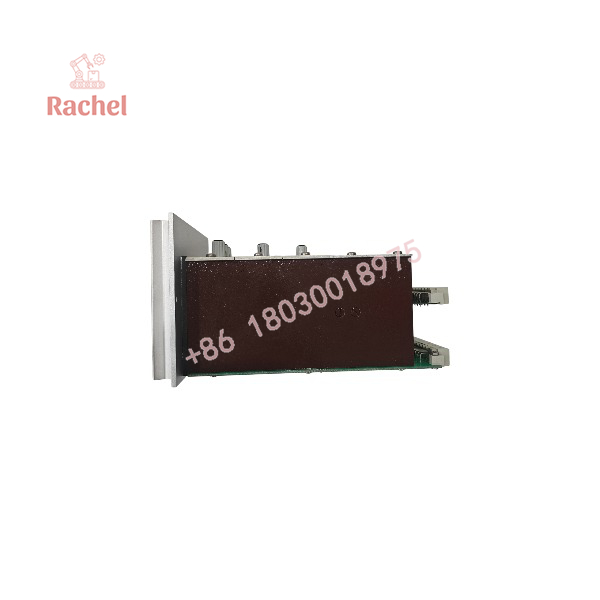
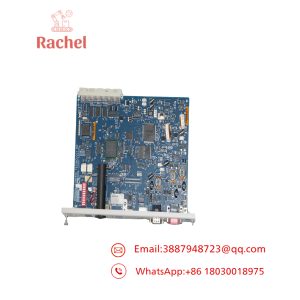
FAS-2R
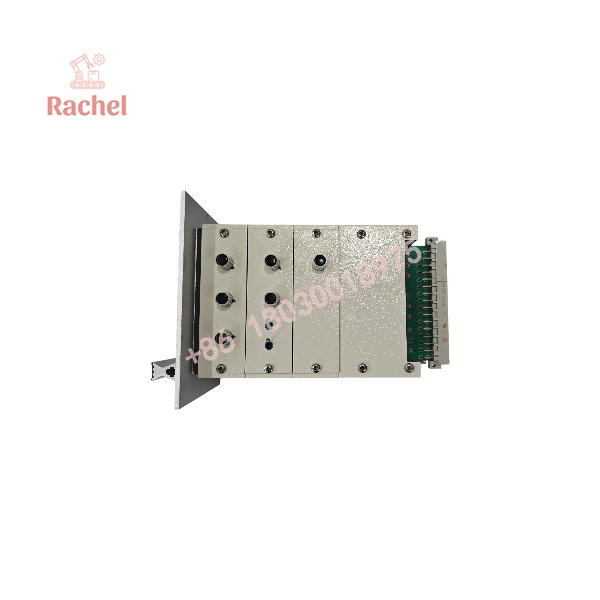
FAS-2R
System Compatibility & Integration Requirements
| Item / Dependency | Verified Compatibility or Requirement | Practical Note |
|---|---|---|
| Primary function | Synchronisation of a generator to the busbar and closing of its circuit breaker | Closing signal released only when ΔU, slip frequency, and phase angle are within preset limits |
| Governor / speed control | Relay output pulses to the generator governor | Pulse settings must match prime mover reaction speed (diesel engine to gas turbine range) |
| Analogue control voltage path | Relay output can be converted via DEIF electronic potentiometer EPN-110DN | EPN-110DN feeds the speed governor/AVR with a proportional control voltage |
| Circuit breaker | Closing command to the generator circuit breaker | Breaker operating time must be considered in the synchronising parameter set |
| Product family | DEIF FAS synchroniser series, part of DEIF’s relays for generator protection and control | Operates alongside DEIF LSU load-sharing units and other switchboard relays in the same architecture |
| Prime movers | Wide range, slow-reacting to fast-reacting | Diesel engines, gas turbines and similar drivers |
| Installation scope | Marine and land-based generator installations | Confirm marine type-approval requirements with the unit’s documentation for shipboard use |
Engineering Selection Highlights
- Function fit: The FAS-2R is selected where a generator must be paralleled to a busbar automatically — it handles both the speed-matching (via governor pulses) and the breaker closing decision within preset ΔU, slip, and phase-angle limits.
- Relay-output architecture: As a relay-type synchroniser, it emits discrete control pulses; applications requiring an analogue governor/AVR control voltage need a conversion stage such as the DEIF EPN-110DN electronic potentiometer in the signal chain.
- Prime mover matching: The control pulses are set to suit the driven machine’s reaction speed, from slow diesel engines to fast gas turbines — verify pulse settings against the installed governor during commissioning.
- Identification points: DEIF type FAS-2R, type number 18146-6, instruction reference D472; matching these against the installed unit avoids wiring and parameter mismatches in replacement work.
- System context: The FAS synchroniser series is part of DEIF’s relays for generator protection and control, so the FAS-2R normally operates alongside other DEIF switchboard instruments (synchroscopes, load-sharing units, protection relays) in generator switchboards.
- Application environment: DEIF’s synchroniser series is applied in generator installations both on land and aboard ships; for marine installations, verify applicable classification-society requirements against the specific unit’s documentation.
FAQ
What is the DEIF FAS-2R?
The FAS-2R is a full-auto synchronising relay (DEIF type number 18146-6) that synchronises a generator to the busbar and initiates closing of its circuit breaker.
How does the FAS-2R synchronise a generator?
It compares voltage difference, slip frequency, and phase angle between generator and busbar, adjusts generator speed through relay pulses to the governor, and releases the breaker closing signal once all values are within their preset limits.
Which prime movers can it work with?
DEIF’s synchronisers are applicable to a wide range of prime movers; the control pulses can be set to fit types from slow-reacting diesel engines to fast-reacting gas turbines.
How does the FAS-2R connect to the governor or AVR?
Its relay output pulses can drive the governor directly or be converted to a proportional control voltage for the speed governor/AVR using DEIF’s electronic potentiometer EPN-110DN.
Where is the FAS-2R used?
In generator switchboards for power generation and marine installations, as part of DEIF’s series of relays for the protection and control of generators.
How is the FAS-2R identified for replacement orders?
By the DEIF type designation FAS-2R with type number 18146-6; its instruction documentation is referenced as DEIF document D472.
Verification & Troubleshooting Notes
- Generator will not synchronise: Check whether the governor responds to the relay pulses; observe whether the slip decreases when pulses are issued. No reaction indicates a break in the synchroniser–governor signal chain (relay output, potentiometer conversion, or governor input).
- Breaker does not close: The closing signal is released only when voltage difference, slip frequency, and phase angle are all within preset limits; verify the parameter settings and the measured busbar/generator voltages before suspecting the relay itself.
- Breaker closes but transients occur: A breaker closing time that is not matched by the synchronising settings leads to closing outside the intended phase window; review the parameter set against the circuit breaker’s actual operating time.
- Hunting or unstable speed matching: The control pulse settings must suit the prime mover’s reaction speed; settings mismatched between a slow diesel engine and a fast governor (or vice versa) degrade synchronisation performance.
- After replacement or re-wiring: Confirm the installed unit’s type designation and type number against the panel documentation (FAS-2R, 18146-6) and verify terminal functions against the D472 instruction sheet before energising.
- Analogue governor/AVR shows no input signal: Where the installation uses an EPN-110DN or similar electronic potentiometer between relay and governor, verify the potentiometer’s supply and its conversion of the relay pulses before replacing the synchroniser.
- Any work on synchronising and breaker-control circuits involves energised switchgear; follow the applicable electrical safety procedures and the DEIF documentation for the installed system.


 Start Chat


