





Description
Product Introduction & Engineering Value
When a VME processor board fails, the problem is rarely limited to the hardware itself. The installed software environment, VME addressing, peripheral mapping, and application timing are often tied to the original CPU module. Replacing the processor without understanding those dependencies can create unexpected commissioning delays.
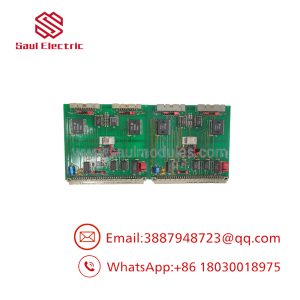
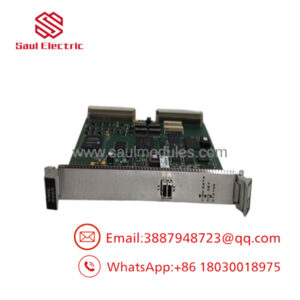
The GE Fanuc / VMIC VT5035-17B is a legacy VMEbus computing module designed for embedded industrial applications requiring deterministic processing and compatibility with existing VME architectures. Maintaining a verified spare allows engineers to preserve qualified systems instead of rebuilding the complete control platform.
Technical Specifications
| Specification | Details |
|---|---|
| Manufacturer | GE Fanuc Embedded Systems / VMIC |
| Model | VT5035-17B |
| Product Type | VMEbus Single Board Computer |
| Bus Standard | VMEbus |
| Board Format | 6U VME form factor |
| Processor Family | Motorola 68040 architecture (variant dependent) |
| Memory | Configuration dependent |
| Operating Environment | Embedded industrial computing systems |
| Expansion Capability | VME peripheral module integration |
| Software Support | Application dependent |
| Typical Use | Industrial control, test equipment, simulation systems |
| Lifecycle Status | Legacy VME hardware |
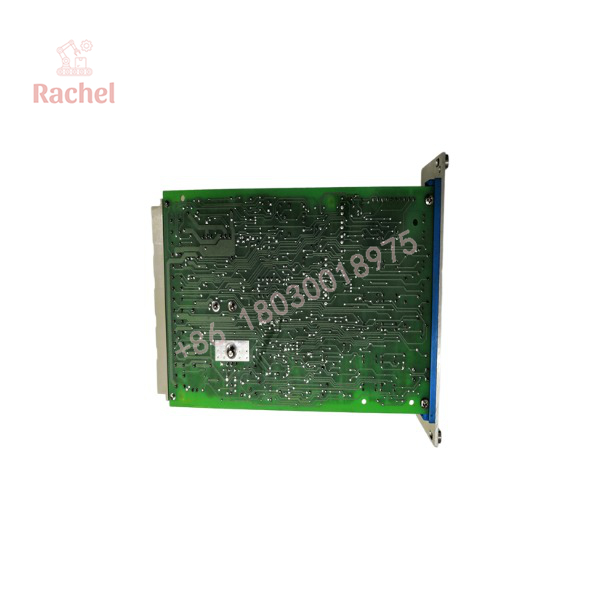
VT5035-17B
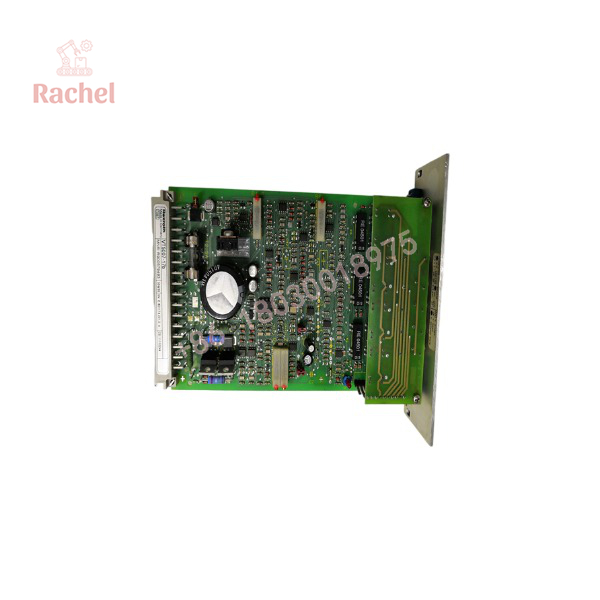
VT5035-17B
Field Application & The “Trench” Experience”
A factory automation test cell built in the 1990s was still being used for final product verification. The system relied on a VME chassis containing several measurement cards and a GE Fanuc VT5035-17B processor module running a custom control application.
During scheduled maintenance, the system began experiencing random boot failures. Engineers first checked the power supply and VME backplane but eventually isolated the issue to the processor board. Because the application software and measurement hardware were already validated, replacing the VT5035-17B was the lowest-risk recovery path.
After installing a tested replacement board, the team restored the original memory configuration, verified VME addressing, and returned the test station to production without modifying the application software.
Typical application scenarios include:
- Automated Test Equipment (ATE) — controlling measurement sequences and instrument communication
- Legacy Industrial Control Systems — maintaining VME-based machine controllers
- Research and Simulation Platforms — supporting embedded computing environments requiring VME expansion
Transparency SOP: QA & Testing
For GE Fanuc VT5035-17B new surplus or refurbished inventory:
Inspection and Validation Process
- Identification Check
- Verify manufacturer markings.
- Confirm VT5035-17B part number.
- Record board revision and serial information.
- Physical Inspection
- Inspect VME edge connectors.
- Check PCB condition.
- Examine components for corrosion, overheating, or storage damage.
- Functional Testing
- Verify power-up sequence.
- Confirm CPU initialization.
- Test memory recognition.
- Check VME bus communication.
- Verify available communication interfaces.
- Final Quality Release
- Apply ESD protection.
- Record test results.
- Provide warranty documentation based on stock condition.
The Veteran’s Tech Trap Guide
⚠️ Do not assume a similar VME CPU board is a direct replacement.
VME systems depend heavily on software compatibility, interrupt handling, memory mapping, and bus timing. A physically compatible board may still fail in the application.
⚠️ Record the original boot configuration.
Legacy VME systems often contain undocumented settings stored in memory, jumpers, or software files.
PRO TIP: Photograph every jumper, switch position, and backplane connection before removing the original VT5035-17B.
⚠️ Check operating system dependencies.
Older embedded systems may rely on specific processor architecture support. Confirm the application environment before selecting a replacement CPU board.
Dynamic FAQ
Q1: What is the GE Fanuc VT5035-17B used for?
The VT5035-17B is a VMEbus single-board computer used in embedded industrial control, measurement, and test systems.
Q2: Is the VT5035-17B a PLC module?
No. It is an embedded processor board used as the computing core of VME-based systems.
Q3: Can the VT5035-17B be replaced with any VME CPU board?
No. Replacement requires matching processor architecture, software compatibility, memory configuration, VME behavior, and application requirements.
Q4: What should be checked before replacing a VT5035-17B?
Engineers should document the CPU configuration, memory size, operating system, VME address settings, connected modules, and application software environment.
Q5: How are refurbished VT5035-17B boards tested?
Testing should include visual inspection, power verification, processor startup checks, memory testing, and VME communication validation.
Q6: Is the GE Fanuc VT5035-17B still manufactured?
The VT5035-17B is a legacy VME product. Availability typically depends on remaining surplus inventory, repair services, and industrial lifecycle suppliers.
Q7: What information is needed when sourcing a VT5035-17B replacement?
Provide the complete model number, board revision, VME chassis details, software environment, and application requirements to confirm compatibility.

 Start Chat


