





Description
Product Introduction & Engineering Value
On a vessel with SCHOTTEL propulsion, a failed DPV module does not merely lose a signal—it can compromise directional-valve actuation and the feedback path used by the control stand. The CAN-DPV bridges the CAN network and the hydraulic valve coils, translating network commands into PWM output for directional control.
It is intended for installation within the SCHOTTEL system electronics architecture. The module compares the commanded setting from the control stand with feedback, then drives the appropriate valve coil through its PWM outputs.
Technical Specifications
- Device type: DPV amplifier module for hydraulic directional valves.
- Control network: CAN bus, CAN-H and CAN-L.
- Outputs: Two PWM outputs—Coil A and Coil B.
- Primary function: Activates hydraulic directional valves from a SCHOTTEL system-electronics setpoint.
- Control logic: Compares control-stand command with feedback for thrust-direction control.
- CAN termination: Load resistance must be set to ON when the module is the final CAN-bus participant.
- Feedback interface: Make-contact feedback is transmitted to the ship’s warning system through the system electronics.
- Signal handling: Supports input-signal inversion and related system-electronics functions.
- Application environment: Marine propulsion, hydraulic actuation, and vessel control systems.
Field Application & The “Trench” Experience
During a vessel drydock, a crew traced intermittent azimuth-thrust direction faults to a DPV module whose CAN communication was marginal and whose valve-coil output behaved unevenly under load. After replacing the module, the technician set the terminating resistance to ON because the DPV was the last node on the CAN segment, verified CAN-H/CAN-L continuity and shielding, then exercised the control-stand command through both valve-coil directions. The feedback contact and vessel warning-system response were confirmed before sea trials.
Typical applications include:
- SCHOTTEL azimuth thruster hydraulic directional-valve control
- Vessel steering and thrust-direction change systems
- Marine hydraulic actuation requiring CAN-based command distribution
- Propulsion-control retrofits where the original DPV amplifier must remain functionally compatible
Transparency SOP: QA & Testing
- Identity check: Confirm GESAS CAN-DPV / DPV module marking and SCHOTTEL system compatibility.
- Visual inspection: Inspect housing, CAN terminals, PWM output terminals, coil connectors, and PCB for corrosion, cracked solder, or heat damage.
- Electrical checks: Verify CAN-H/CAN-L wiring integrity, coil-output continuity, and insulation condition before energizing.
- CAN communication test: Confirm bus communication, node response, and correct termination-resistor position.
- Output verification: Exercise Coil A and Coil B PWM outputs using an appropriate test load or approved hydraulic-valve test setup.
- Functional validation: Verify command-to-output response and feedback/warning-system interface where the full SCHOTTEL system is available.
- Traceability: Record test results, module condition, and any configuration notes before shipment.
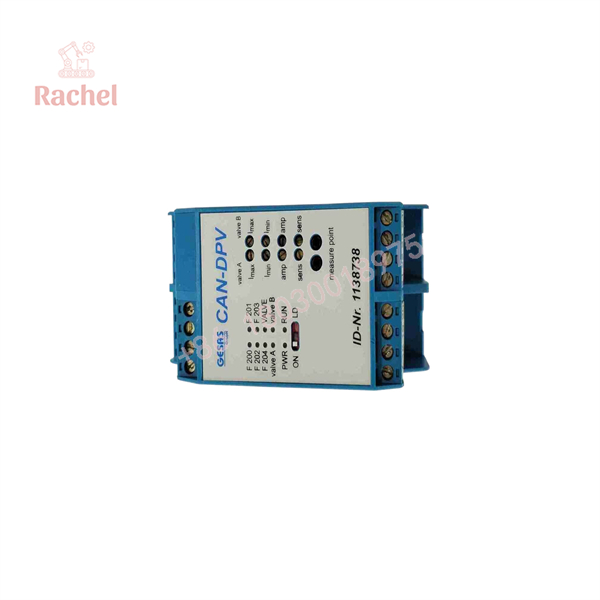
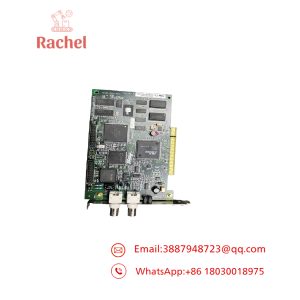
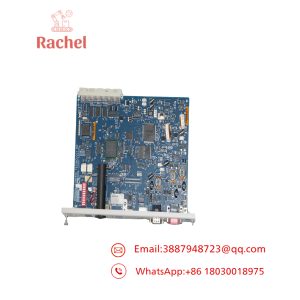
CAN-DPV
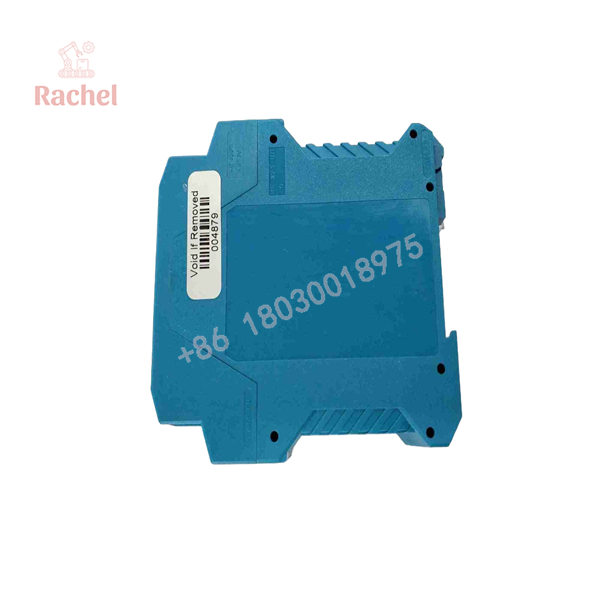
CAN-DPV
The Veteran’s Tech Trap Guide
⚠️ Set the terminating resistor correctly. If the CAN-DPV is the last participant on the CAN bus, its load resistance must be ON. Leaving it OFF can cause marginal communication, intermittent faults, or bus errors.
⚠️ Do not assume all “CAN-DPV” listings describe the same hardware. Online listings describe it variously as an analog acquisition module, PROFIBUS gateway, or generic communication module. For SCHOTTEL applications, treat the DPV as a hydraulic directional-valve amplifier with dual PWM coil outputs.
PRO TIP: Before replacing the module, capture the CAN baud rate, node position, termination state, coil wiring, and feedback-contact behavior. A wrong termination setting or swapped Coil A/Coil B wiring can create faults that look like a defective replacement.
⚠️ Check the hydraulic valve coils too. A shorted or partially shorted directional-valve coil can overload the PWM output stage and damage a replacement DPV module.
Dynamic FAQ
What does the GESAS CAN-DPV control?
It controls SCHOTTEL hydraulic directional valves, using PWM outputs for Coil A and Coil B based on CAN-bus commands and system feedback.
Does it have analog inputs?
For the SCHOTTEL DPV application, its primary role is CAN-to-hydraulic-valve amplification, not general-purpose analog acquisition. Some third-party listings describe different CAN-DPV hardware, so verify the exact module and application before ordering.
When must its CAN termination be enabled?
Set the load resistance to ON when the DPV module is the last device on the CAN bus.
What outputs does it provide?
It provides two PWM outputs, designated Coil A and Coil B, for hydraulic directional-valve actuation.
Is the CAN-DPV obsolete?
It is a legacy GESAS/SCHOTTEL-related module and is generally sourced as verified surplus, refurbished, or repair-exchange stock.
What warranty is included?
New Surplus and refurbished units include a stated replacement warranty; the exact term depends on condition grade and is identified on the quotation and shipping documentation.

 Start Chat


