





Description
Product Introduction & Engineering Value
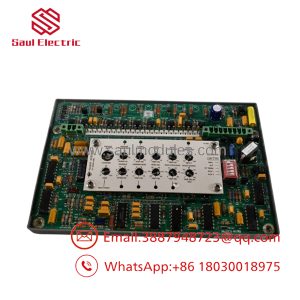
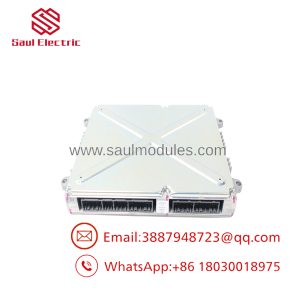
The Hitachi LUD700A should be treated as an equipment-specific Hitachi electronic module rather than assuming it is a generic PLC or I/O component. The model designation alone does not establish its exact electrical function or application.
For replacement work, start with the physical nameplate. Record the complete LUD700A marking, any Hitachi part number, revision, serial number, and the model of the equipment in which it is installed. That information is essential for a defensible compatibility check.
Technical Specifications
- Manufacturer: Hitachi
- Model: LUD700A
- Product Category: Industrial electronic equipment
- Component Type: Equipment-specific module
- Primary Application: Hitachi industrial systems
- Service Role: Maintenance / replacement spare
- Installation: Host-equipment dependent
- Compatibility: Dependent on equipment model and hardware revision
- Part Number: Verify complete nameplate identification
- Firmware: Verify where applicable
- Electrical Ratings: Require confirmation from Hitachi documentation
- Communication / I/O: Not established from the model number alone
Technical caution: I would not assign a voltage, current, I/O count, communication protocol, PCB function, or machine compatibility to LUD700A without reliable documentation. The model number by itself is not enough evidence.
Field Application & the “Trench” Experience
A legacy Hitachi system can create a procurement trap: the maintenance technician knows the failed component as LUD700A, while the supplier’s database may index the same hardware under a longer Hitachi assembly number.
That is why the original label matters. Before removing the unit, photograph the complete identification, connector side, mounting position, and host-equipment nameplate. If a second Hitachi number is present, use both numbers in the RFQ.
Specific maintenance scenarios include:
- Legacy Hitachi control cabinet replacement where the original module has become difficult to source.
- Industrial equipment electronic troubleshooting where an exact hardware match is required.
- Long-term spare inventory management for discontinued or aging Hitachi systems.
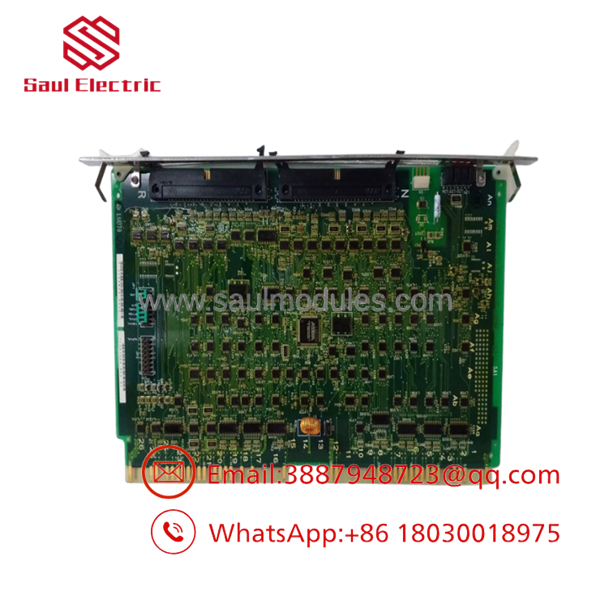
LUD700A
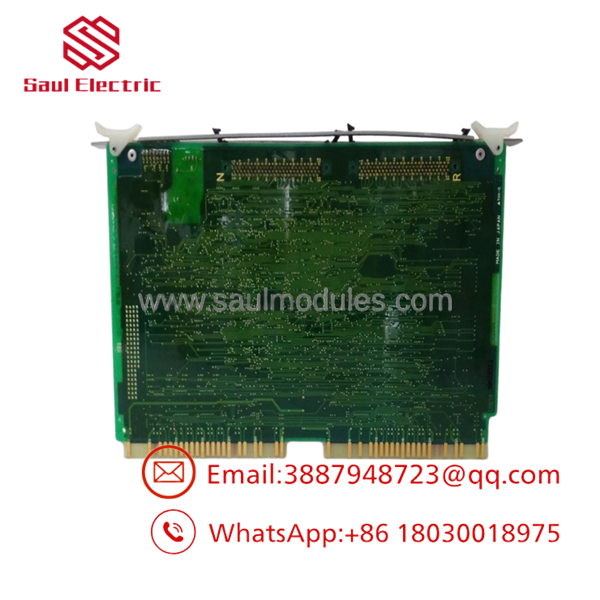
LUD700A
Transparency SOP: QA & Testing
For New Surplus or Refurbished LUD700A inventory:
Identification: Confirm and record all secondary Hitachi references.
Physical inspection: Check connectors, PCB surfaces, components, housings, terminals, mounting hardware, corrosion, contamination, and evidence of repair.
Electrical inspection: Perform only tests appropriate to the confirmed function and service documentation.
Functional validation: Where the correct Hitachi test environment is available, verify operation under controlled conditions.
Traceability: Photograph the actual unit and retain serial/revision information with the test record.
A supplier calling a unit “tested” should be able to explain whether that means visual inspection, bench power-up, electrical measurement, or full functional testing.
The Veteran’s Tech Trap Guide
⚠️ Trap #1 — Assuming identifies the exact circuit function.
It does not provide enough information by itself to determine whether the unit is a controller, interface, power module, or another electronic assembly.
⚠️ Trap #2 — Losing the secondary part number.
If the label contains a longer Hitachi number, that number may be more useful for sourcing than alone.
⚠️ Trap #3 — Buying on physical appearance.
Similar Hitachi modules can have different electrical characteristics or system assignments.
PRO TIP: Send the supplier a photograph of the complete label and the host equipment nameplate. Ask them to confirm both identifiers on the quotation.
Dynamic FAQ
What is Hitachi ?
Hitachi is an equipment-specific electronic module designation. Its exact function and host-system application should be confirmed from the complete equipment documentation.
What equipment uses ?
The model number alone does not provide enough reliable information to identify the exact Hitachi equipment family. The host machine or system model is needed for a precise match.
Can directly replace another Hitachi module?
Not without verification. Confirm the complete part number, revision, connector arrangement, host equipment, and applicable technical documentation.
What should I provide for an RFQ?
Provide , all additional numbers printed on the unit, photographs of the label and connectors, and the host Hitachi equipment model.
Is New Surplus acceptable?
It can be, provided the specific unit is correctly identified, properly stored, and appropriately tested. New Surplus should not be confused with fully refurbished or functionally tested equipment.
What warranty should I request?
Request the warranty period, stock condition, test scope, and return terms in writing. For critical industrial equipment, ask specifically whether the warranty covers functional failure after installation.

 Start Chat


