





Description
Product Introduction & Engineering Value
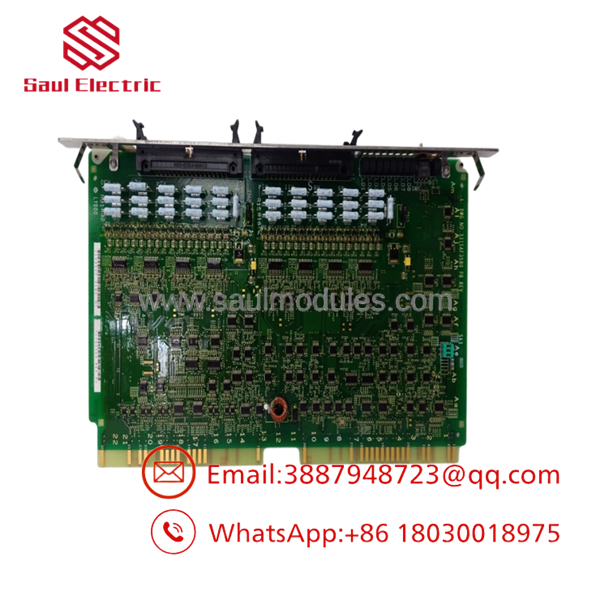
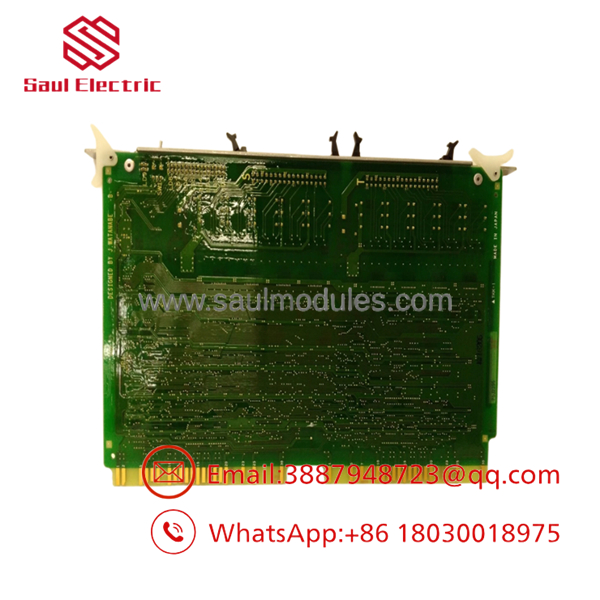
Hitachi LYD000A is an equipment-specific electronic assembly identified by its model designation. With legacy Hitachi hardware, the short model number is only one part of the identification record; the complete equipment model and additional markings are often needed to establish compatibility.
For procurement, record LYD000A exactly as printed and capture any secondary Hitachi part number, revision, serial number, and cabinet or machine location. This is especially important when sourcing surplus inventory where listings may contain incomplete technical descriptions.
Technical Specifications
- Manufacturer: Hitachi
- Model: LYD000A
- Product Category: Industrial electronic equipment
- Component Type: Equipment-specific module
- Primary Application: Hitachi industrial systems
- Service Role: Maintenance / replacement spare
- Installation: Host-equipment dependent
- Compatibility: Dependent on machine/system configuration
- Hardware Revision: Verify against the original assembly
- Firmware: Verify where applicable
- Electrical Ratings: Require confirmation from technical documentation
- I/O / Communications: Not established from the model designation alone
Technical caution: I would not assign a specific voltage, current, I/O configuration, communication interface, PCB function, or dimensions to LYD000A without reliable supporting documentation. Those details should be confirmed from the original assembly or Hitachi service records.
Field Application & the “Trench” Experience
One of the more frustrating legacy-equipment situations is having the correct-looking replacement in hand but discovering during installation that its identification is incomplete. The technician has LYD000A, while the failed board may also carry a longer assembly number or revision.
For that reason, document the failed unit before removal. Photograph the complete label, connectors, mounting arrangement, and host-equipment nameplate. If another Hitachi number is present, keep it attached to the LYD000A reference throughout the procurement process.
Specific maintenance scenarios include:
- Legacy Hitachi control-cabinet replacement
- Industrial electronic module troubleshooting
- Long-term spare inventory for aging Hitachi systems
LYD000A
LYD000A
Transparency SOP: QA & Testing
For New Surplus or Refurbished stock:
1. Identity verification
Confirm , additional part numbers, revisions, and serial information.
2. Physical inspection
Check connectors, PCB surfaces, components, terminals, mounting hardware, housing condition, corrosion, contamination, and evidence of previous repair.
3. Electrical inspection
Perform only tests appropriate to the confirmed function of the module. Avoid uncontrolled energization of unidentified Hitachi hardware.
4. Functional testing
Where a compatible Hitachi test environment or approved fixture exists, verify actual operation.
5. Documentation
Record the unit’s condition, photographs, identification, and exact test scope.
The Veteran’s Tech Trap Guide
⚠️ Trap #1 — Guessing the function from “LYD.”
The model designation does not provide enough evidence to classify as a specific CPU, I/O, power, or interface module.
⚠️ Trap #2 — Ignoring secondary markings.
A longer Hitachi assembly or drawing number may be critical for finding the correct replacement.
⚠️ Trap #3 — Trusting “tested” without asking what was tested.
A visual inspection, resistance check, bench power-up, and system-level functional test are four very different things.
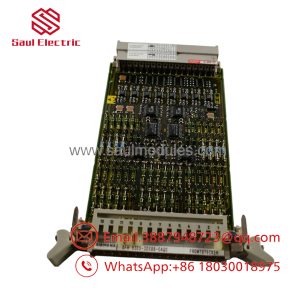
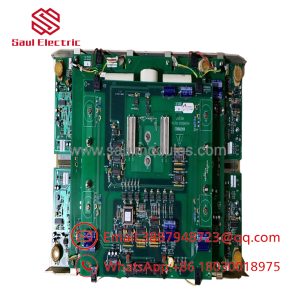
PRO TIP: Ask for photographs of the , including its complete label and connector side. Compare those photographs with the failed assembly before approving the purchase.
Dynamic FAQ
What is Hitachi ?
Hitachi is an equipment-specific electronic module designation. Its precise function and compatible equipment should be verified from the original unit and relevant Hitachi documentation.
What Hitachi equipment uses ?
The model number alone does not provide enough reliable evidence to identify the exact host equipment. The equipment model or nameplate is needed for a precise match.
Can be used as a direct replacement?
Only after confirming the complete identification, hardware revision, connector arrangement, and host-system compatibility.
What should I provide for an RFQ?
Provide , all secondary numbers and revisions, photographs of the original module, and the complete Hitachi equipment model/nameplate.
Is New Surplus acceptable?
It can be appropriate when the unit is correctly identified, unused, properly stored, and tested to a suitable level. Confirm the actual stock condition rather than relying on a generic listing description.
What warranty should I request?
Request the warranty period, condition classification, test scope, and return terms in writing. For critical equipment, specifically ask whether the warranty covers functional failure after installation.

 Start Chat


