





Description
Product Introduction & Engineering Value
The KSD1-48 is part of KUKA’s legacy servo-drive architecture. Its job is to regulate the motor current required for robot-axis movement under the control of the KUKA controller.
For maintenance teams, the key point is that “48” identifies the drive’s current class; it does not mean a 48 kW motor drive. KUKA KSD1 drives are selected according to the motor/axis configuration and controller configuration.
A replacement therefore needs more than the base model number. The technician should compare the original KSD1-48 nameplate, KUKA article number, hardware revision, connector arrangement, and the robot/controller configuration.
Technical Specifications
| Parameter | KSD1-48 |
|---|---|
| Manufacturer | KUKA |
| Model | KSD1-48 |
| Drive Type | Robot servo amplifier |
| Drive Family | KSD1 |
| Current Class | 48 A |
| Controller Platform | KRC2 family |
| Motor Interface | Servo motor power output |
| Control Interface | KUKA controller drive architecture |
| Application | Robot-axis motion control |
| Mounting | KRC2 cabinet |
| Cooling | Controller cabinet heat-sink/airflow system |
| Hardware Revision | Verify from installed unit |
| KUKA Article Number | Verify from nameplate |
| Input/DC-Link Data | Verify against exact hardware revision |
Specification Integrity Note
Detailed public documentation for the KSD1-48 is substantially less consistent than documentation for smaller KSD1 variants. I would therefore not publish a specific DC-link voltage, rated current, peak current, output frequency, dimensions, or weight as a universal KSD1-48 specification without the exact KUKA article number.
For a procurement listing, the safest technical description is:
KUKA KSD1-48 servo drive module for KRC2 robot controllers, 48 A class; exact electrical specifications and compatibility depend on the installed hardware revision/article number.
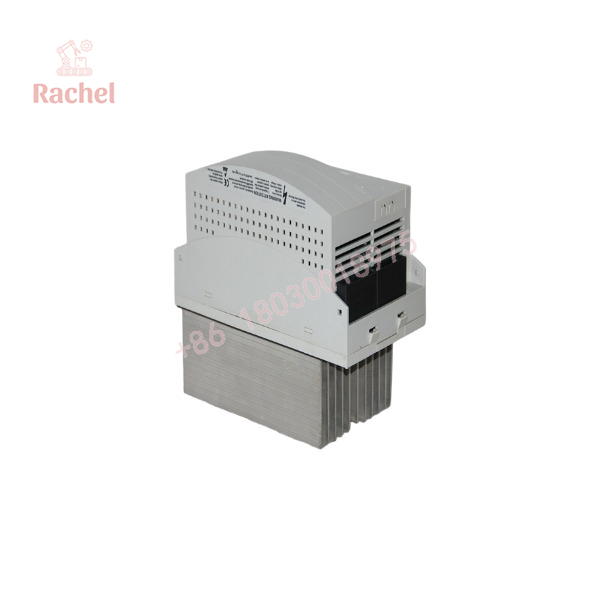
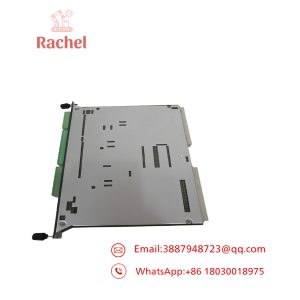
KSD1-48
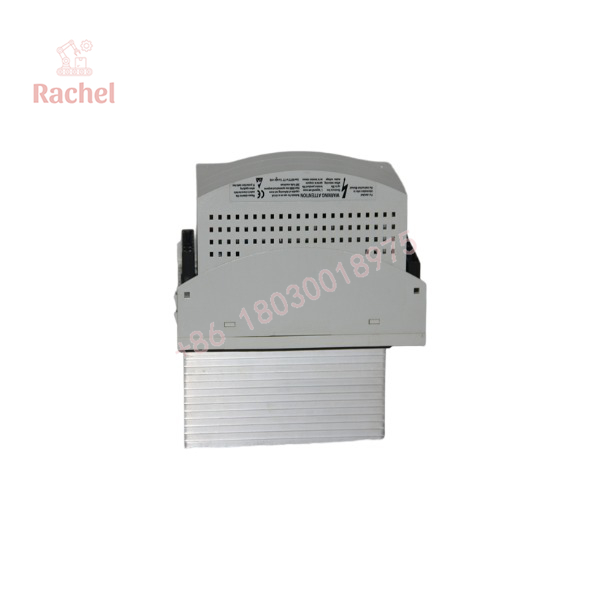
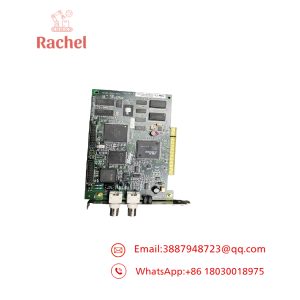
KSD1-48
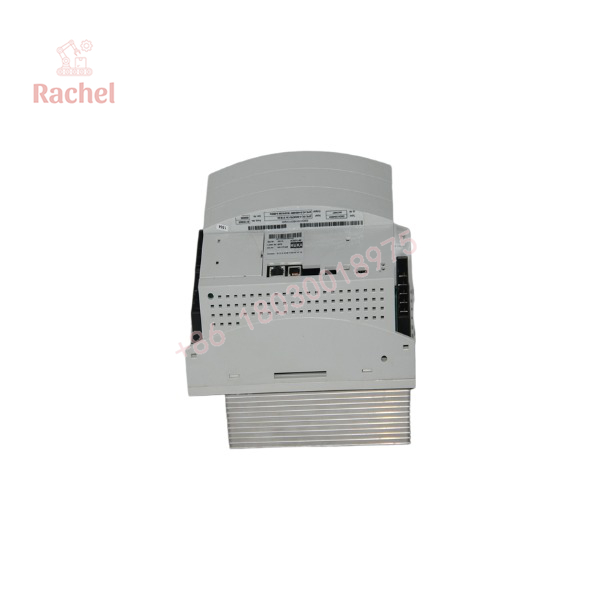
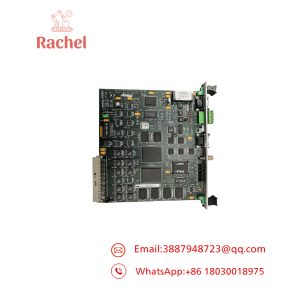
KSD1-48
Field Application & the “Trench” Experience
A KSD1-48 failure can bring a large robot to a complete stop even when the KRC2 computer and teach pendant remain operational.
A typical failure sequence might look like this:
- Robot powers up normally.
- Controller initializes.
- One axis reports a drive fault.
- Servo enable cannot be completed.
- Motor and encoder cables test normally.
- The fault follows the servo-drive position when the appropriate diagnostic procedure is performed.
At that point, the KSD1-48 becomes a logical suspect.
However, do not replace the amplifier before checking the motor cable, motor insulation, encoder feedback, DC bus, drive communication, and controller diagnostics. A shorted motor cable can damage a replacement drive immediately.
Typical Applications
- KUKA KRC2 robot cells
- Automotive welding systems
- Material-handling robots
- Palletizing systems
- Assembly robots
- Machine-tending applications
- Legacy KUKA robot installations
Transparency SOP: QA & Testing
For New Surplus or Refured , functional testing should be performed using suitable KUKA equipment.
Identification
Verify:
KUKA- KUKA article number
- Hardware revision
- Serial number
- Drive-specific identification labels
Physical Inspection
Check:
- DC-link terminals
- Motor output terminals
- Controller/drive-bus connectors
- Heat sink
- Cooling path
- Power semiconductor area
- Capacitors
- Signs of overheating
- Previous repair work
Electrical Test
A proper test should verify:
- Controlled DC-link power-up
- Drive initialization
- Controller communication
- Status/fault indications
- Motor-output switching
- Current-feedback behavior
- Thermal monitoring
- Protection functions
Load Test
The preferred acceptance test is operation in a compatible KRC2 test system with a suitable servo motor/load.
A unit that merely powers up on a bench should not be advertised as fully tested.
The Veteran’s Tech Trap Guide
⚠️ Trap #1 — Treating KSD1-48 as a generic 48 A inverter.
It is a KUKA robot servo amplifier designed for the KUKA controller architecture. A generic 48 A servo drive is not a substitute.
⚠️ Trap #2 — Assuming “48” means 48 kW.
It does not. The designation relates to the drive’s current class.
⚠️ Trap #3 — Ignoring the robot-axis configuration.
A servo amplifier must be appropriate for the connected motor and axis. Replacing a drive based solely on physical dimensions or nominal current can create parameter or hardware-compatibility problems.
⚠️ Trap #4 — Installing a replacement before checking the motor circuit.
Always inspect the motor and encoder cables before connecting a replacement drive. A downstream short circuit can destroy a good replacement amplifier.
PRO TIP: For an RFQ, provide:
KUKA KSD1-48 servo drive — exact KUKA article number and hardware revision to match existing KRC2 system; tested under load preferred.
Dynamic FAQ
What iKA ?
he is a KUKA robot servo-drive/servo-amplifier module used in the legacy KUKA motion-control architecture.
Which KUKA controller uses KSD1-48?
The KSD1 family is principally associated with KUKA KRC2-generation robot controllers.
Does KSD1-48 mean 48 kW?
No. The 48 designation refers to the drive current class, not motor power in kilowatts.
Can KSD1-48 replace another KSD1 drive?
Not automatically. Verify the KUKA article number, hardware revision, robot motor, axis assignment, controller configuration, and electrical ratings before substitution.
What should I provide when ordering?
Provide the complete KSD1-48 nameplate photograph, KUKA article number, hardware revision, robot model, KRC2 controller information, and—if available—the diagnostic fault code.
Is refurbished KSD1-48 acceptable?
Yes. Refurbished stock can be appropriate for maintaining legacy KUKA systems, provided the drive has undergone actual functional and load testing.
What warranty should I request?
Request coverage for controller initialization, drive communication, servo output operation, current feedback, fault monitoring, thermal protection, and sustained-load operation. A simple power-on test is not adequate for a robot-axis servo amplifier.

 Start Chat


