





Description
Product Introduction
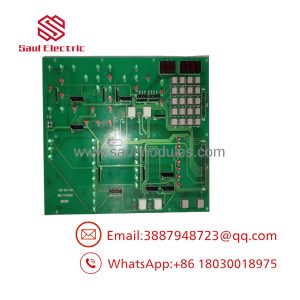
The NABCO MC-206-01 is a high-performance microcomputer control unit designed for NABCO automatic sliding and swing door operators. Functioning as the core system engine, it processes signal inputs from motion radars, safety beams, emergency switches, and access controllers to regulate motor output torque and cycling profiles.
Upgraded over earlier MC-series generations, the MC-206-01 incorporates enhanced microprocessing capability to deliver smoother speed transitions and precise obstruction detection. This dedicated logic circuit prevents motor burnout during high-resistance blockages while maintaining reliable, continuous cycle timing across heavy commercial foot traffic.
Key Technical Specifications
| Parameter | Specification |
| Manufacturer | NABCO (Nabtesco Corporation) |
| Part Number | MC-206-01 |
| Input Supply Voltage | 100V AC (±10%), 50/60 Hz |
| Control Logic | Microprocessor-based Motion & Safety Controller |
| Drive Output | PWM Motor Drive Signal / Speed Control Relay |
| Interface Connections | Quick-Disconnect Multi-Pin Terminal Block & Harness |
| Supported Inputs | Motion Radar, Safety Photoelectric Beam, Key Switch, Fire Alarm |
| Safety Functions | Automatic Reversing Obstruction Sense, Thermal Protection Logic |
| Adjustment Trimmers | Open/Close Speed, Brake Zone, Hold-Open Time, Reversing Sensitivity |
| Operating Temperature | -10°C to +50°C (14°F to 122°F) |
Application Scenarios & The “Trench” Experience
The Trench Story
Picture a busy airport terminal corridor at 1:00 AM. A key access door operator fails after a sudden utility voltage dip, leaving the door completely unresponsive and stuck closed. Security personnel are forced to manually lock down the perimeter, causing an immediate operational bottleneck. Service contractors claim parts are unavailable and quote a 3-week lead time for a complete operator header replacement. Swapping in a drop-in MC-206-01 surplus module gets the automated entryway re-commissioned in under 25 minutes, avoiding thousands of dollars in emergency guarding costs.
Application Scenarios
- High-Traffic Commercial Entrances – Retail & Shopping Malls – Manages continuous high-frequency opening cycles while keeping dynamic braking stable to extend mechanical gear life.
- Airport Terminals & Transit Hubs – Secure Gate Access Doors – Links into centralized building management and security access systems for instantaneous dry-contact trigger responses.
- Hospital & Healthcare Facilities – Surgical Suites & ICU Entrances – Provides quiet, smooth deceleration curves to prevent air-draft disruption and mechanical noise in silent zones.
- Industrial Facilities – Air-Lock Cleanroom Passageways – Interlocks with adjacent door controllers to maintain pressure differentials during interlock cycles.
Field Case Study
A facility team managing a commercial office building experienced intermittent door “ghosting” and failure to close on their main plaza sliding door. Diagnostic checks revealed an internal logic chip fault on the original MC-206-01 board triggered by power line noise. We pulled a clean, fully bench-tested MC-206-01 from our surplus inventory, verified terminal assignments, and dispatched it overnight. The field technician mounted the module, matched the original potentiometer settings, and restored the door to 100% operational status before morning opening.
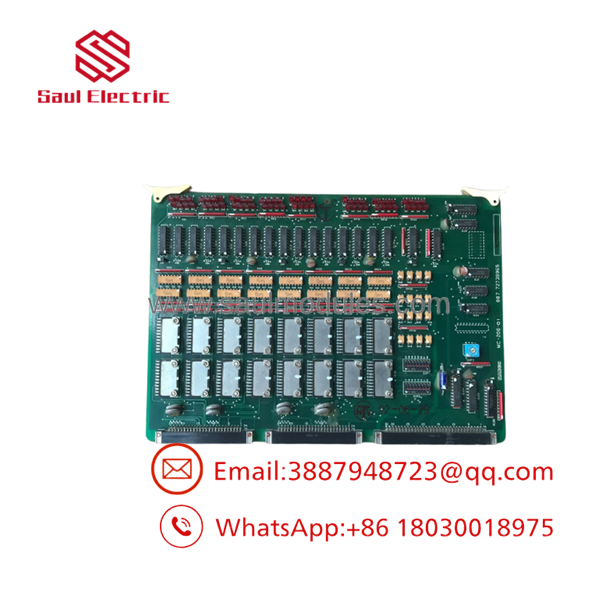
MC-206-01
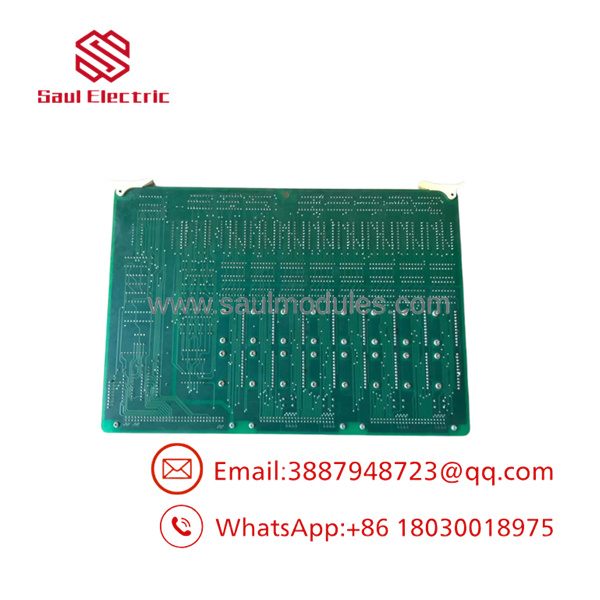
MC-206-01
Transparency SOP: Quality Assurance & Testing
- Inbound Visual & Integrity Inspection: We inspect casing plastic for cracks, examine board solder joints for thermal stress, check edge connectors for oxidation, and verify genuine OEM serial labels.
- Dedicated Test Rig Mounting: The module is mounted to an active NABCO operator bench fitted with a standard drive motor, encoder feedback, and photoelectric safety beams.
- Full Functional Cycle Testing: We run the controller through 50+ complete cycle routines, measuring open/close ramp profiles, creep speeds, hold-open delay timers, and brake response.
- Safety & Current Load Verification: We physically block the door stroke to verify that the auto-reversing current threshold trips instantly without overcurrent damage to the motor driver stage.
- ESD Cleaning & Packaging: After passing QC logging, the board receives a non-conductive terminal cleaning, is sealed inside an ESD anti-static shield bag, and is packed with protective foam cushioning.
The Veteran’s Tech Trap Guide
- ⚠️ Check Supply Voltage and Transformer Tap First: ❗ Never connect a new MC-206-01 board without taking a multi-meter reading across your line transformer secondary terminals. A failing step-down transformer delivering voltage over 115V AC will burn out the primary power stage of the replacement card immediately upon power-up.
- ❗ Document Potentiometer Dial Positions: Before unhooking your old module, take a clear photo of all adjustment trimmers (speed, braking, hold-open time, and sensitivity). Matching these baseline pot positions on the new board saves massive ladder time during initial startup.
- ⚠️ Mind the DIP Switch and Jumper Configurations: The MC-206-01 supports different sensor contact logic (Normally Open vs. Normally Closed) and operational modes via onboard jumpers. Setting these incorrectly will cause the door to stay permanently open or reverse unexpectedly.
- ❗ Inspect Harness Terminal Tightness: Vibration over years of door motion can loosen terminal block screws or stretch connector pins. Clean harness sockets with electrical contact cleaner and ensure secure terminal engagement to prevent intermittent system faults.
Frequently Asked Questions (FAQ for Conversion)
Q: Can I replace an MC-206-01 board while the power is turned on?
A: No. Absolutely isolate line power before disconnecting or seating terminal connectors. Hot-plugging the wiring harness can bridge high-voltage pins and destroy the onboard microcomputer.
Q: Is the MC-206-01 directly compatible with older MC-series controllers like the MC-151?
A: While they share similar operational concepts, pin assignments, terminal layouts, and mounting footprints can vary between generations. Always verify terminal labeling against your wiring schematic before applying power to an upgraded board model.
Q: Why does the door remain wide open after installing the replacement MC-206-01?
A: This typically points to an activated safety circuit or incorrect jumper logic. Verify that safety photoelectric beams are aligned and that the card’s NC/NO safety input jumper matches your sensor’s output contact state.
Q: Are these MC-206-01 units brand new or refurbished?
A: As factory production for legacy MC-206 series components has been phased out, our inventory consists of certified New Surplus (unused original stock) or thoroughly bench-tested Refurbished boards sourced from controlled system retrofits.
Q: What kind of warranty do you provide with this replacement module?
A: Every unit comes backed by our comprehensive 12-month industrial replacement warranty. Should any hardware defect or operational failure occur within one year, we provide an immediate unit exchange or refund.
Q: Why is purchasing a replacement controller more cost-effective than upgrading the operator?
A: Replacing the controller module takes under 30 minutes and retains existing tracks, belts, motors, and glass framing. A full operator header replacement requires structural construction, expensive component packages, and days of operational downtime.

 Start Chat


