





Description
Product Introduction
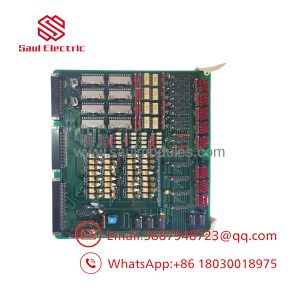
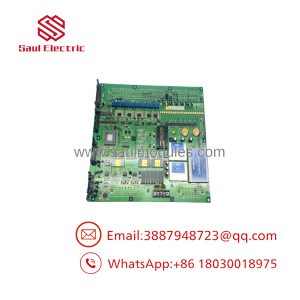
The NABCO MC-603-02A belongs to the 885-series family of heavy-duty control cards developed by Nabtesco/NABCO for high-reliability marine maneuvering and industrial engine automation systems. Positioned inside central control cabinets, governor racks, or engine telegraph consoles, this module processes raw analog telemetry and digital command inputs to execute real-time engine speed and actuator positioning.
As an upgraded revision over earlier -01 series layouts, the MC-603-02A incorporates refined signal filtering networks to eliminate electromagnetic interference (EMI) typical in high-power engine rooms. Its onboard conditioning hardware isolates sensitive microcomputer logic from field voltage spikes, preventing throttle hunting and maintaining steady control loop stability under varying marine or generator load conditions.
Key Technical Specifications
| Parameter | Specification |
| Manufacturer | NABCO / Nabtesco Corporation |
| Model Number | MC-603-02A |
| Product Family | 885 Series Automation & Engine Control Board |
| Board Category | Analog Conditioning & System Logic Control Board |
| Primary Application | Marine Main Engine Remote Control & Heavy Governor Racks |
| Signal Interface | Multi-Channel Analog Input/Output & Galvanic Isolation |
| Form Factor | Multi-Pin Edge-Card / Plug-in Industrial Sub-Rack Assembly |
| Operating Temperature | -10°C to +60°C (14°F to 140°F) |
| Mounting Orientation | Vertical Rack Slot with Retaining Screws |
| Approximate Weight | 0.45 kg (0.99 lbs) |
Application Scenarios & The “Trench” Experience
The Trench Story
It is 1:30 AM on a commercial vessel maneuvering into port. The main engine remote control stand throws a critical telemetry alarm because an aging analog input card in the sub-rack begins drifting under high engine-room heat. The bridge loses smooth throttle response, forcing the engineer onto manual local control. Port engineers quote a six-week lead time to retrofit the entire maneuvering rack. Swapping in a pre-tested, surplus MC-603-02A board directly into the existing rack slot clears the alarm and restores full bridge control within 20 minutes, avoiding severe docking delays and port fines.
Application Scenarios
- Marine Main Engine Control Racks – Processes pitch feedback, actuator positions, and speed demand signals on bridge and ECR consoles.
- Heavy Power Generation Plants – Coordinates load-sharing signals between large diesel generator sets to stop frequency fluctuation.
- Industrial Governor Systems – Converts analog speed sensor inputs into microcomputer commands for hydraulic and pneumatic actuators.
- Shipboard Auxiliary Monitoring – Manages multi-channel analog sensor inputs for central alarm panels in engine spaces.
Field Case Study
A marine service engineer contacted us after an MC-603-02A card suffered trace degradation due to persistent humidity inside a control cabinet. The defect caused intermittent actuator jitter on a vessel’s main engine governor. We bench-tested a surplus MC-603-02A card on a simulated 885-series rack, verified all signal paths, and dispatched it via express courier to the next port of call. The ship’s crew plugged the card into the sub-rack, verified the zero/span potentiometer settings against the logbook, and restored smooth throttle tracking instantly.
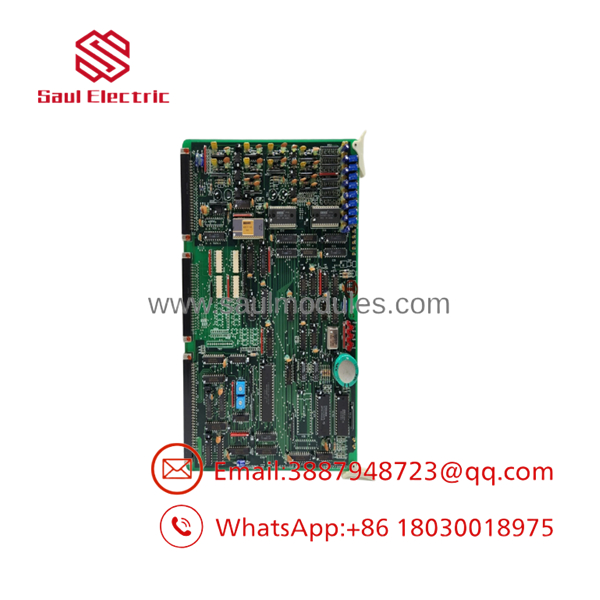
MC-603-02A
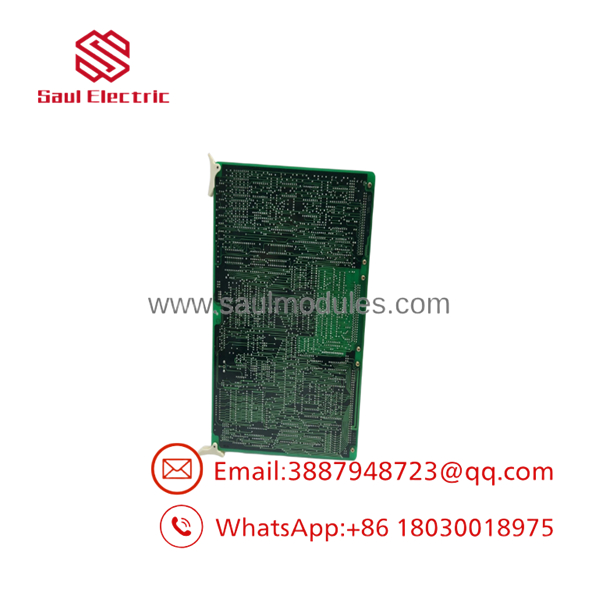
MC-603-02A
Transparency SOP: Quality Assurance & Testing
- Inbound Visual & Optical Inspection: We check all PCB traces under high magnification for micro-cracks, verify component soldering integrity, and confirm original NABCO 885-series manufacturing stamps.
- Gold Finger & Edge Pin Cleaning: Edge connectors and pin headers are cleaned using non-abrasive chemical solvents to remove oxidation and guarantee gas-tight backplane contact.
- Power Rail Bench Verification: The board is inserted into a dedicated test chassis to confirm onboard voltage regulators, reference rails, and ground planes operate within strict OEM specs.
- Analog Loop Simulation: We inject precision current and voltage signals across all input/output channels to verify signal linearity, isolation resistance, and attenuation curves.
- ESD Cleaning & Sealed Packaging: Following test logging, the card undergoes anti-static cleaning, is sealed in an ESD shielding bag, and is packed in custom foam-padded boxes.
The Veteran’s Tech Trap Guide
- ⚠️ Confirm Revision Suffixes (02A vs 01A vs 03G): ❗ Double-check your original board’s full part number. While an MC-603-02A and an MC-603-01A share the same base 885 board layout, revision letters often denote different factory resistor populate options, gain ranges, or frequency response filters tailored to specific engine types.
- ❗ Never Hot-Swap Backplane Cards: Always kill main power to the control rack before pulling or inserting the MC-603-02A. Seating an edge card while voltage is present can cause arcing across adjacent pins, instantly frying sensitive onboard microprocessors.
- ⚠️ Log Potentiometer Trimmer Settings: If your board revision features onboard gain or offset trimmer potentiometers, measure and record their exact physical positions or resistance values before swapping the card. Matching these baseline values reduces loop tuning time during commissioning.
- ❗ Clean Female Backplane Slots: Over time, marine environment salt air deposits oxidation inside the female card cage sockets. Spray the backplane slot with electrical contact cleaner and cycle the card two or three times while unpowered to ensure solid electrical contact.
Frequently Asked Questions (FAQ for Conversion)
Q: What does the “885” designation signify on this NABCO board?
A: The “885” prefix identifies the specific OEM hardware assembly and backplane generation manufactured by Nabtesco/NABCO for their marine and heavy industrial engine automation systems.
Q: Can I interchange an MC-603-02A with an MC-603-01A?
A: They physically fit into the same slot form factor, but component-level differences in board revisions (such as signal gain or filter timing) mean direct swapability depends on your system’s specific engine loop configuration. Check your panel schematic or original board’s suffix details before swapping.
Q: Are these MC-603-02A replacement boards factory-new or surplus?
A: Because factory production for legacy NABCO 885-series control boards is largely phased out, our inventory consists of certified New Surplus (unused original stock) or thoroughly bench-tested Refurbished boards sourced from controlled system retrofits.
Q: Why is my control panel showing a signal fault even after installing the replacement board?
A: This usually points to oxidation inside the female backplane slot or a mismatch in zero/span trimmer adjustment. Clean the backplane contacts with contact cleaner and check that the replacement board’s potentiometer settings match your original panel calibration log.
Q: What warranty is provided with this surplus control card?
A: We support every unit with a full 12-month industrial replacement warranty. If any functional flaw or signal drift occurs within 365 days of purchase, we offer an immediate unit exchange or complete refund.
Q: Why purchase a replacement PCB card instead of upgrading the entire maneuvering system?
A: Replacing the individual MC-603-02A card takes under 15 minutes and costs a fraction of a full system upgrade. Ripping out a complete maneuvering console requires extensive rewiring, prolonged vessel or plant downtime, and costly classification society re-certifications.

 Start Chat


