





Description
Product Introduction
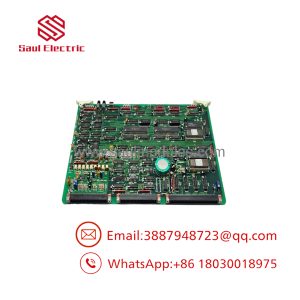
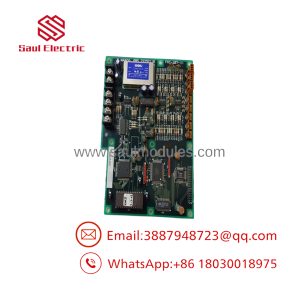
The NABCO MCA-001-11 is a specialized microcomputer control board built for NABCO commercial automatic sliding and swing door operators. Serving as the central logic unit inside the operator header, it processes activation inputs from overhead motion sensors, safety photocells, key switches, and emergency triggers to directly regulate motor speed and dynamic braking cycles.
Evolving from earlier MC-series hardware, the MCA-001-11 features refined microprocessor routines that deliver smoother acceleration ramps, accurate creep-speed transitions, and responsive obstruction sensing. This hardware-level detection prevents motor burnout during physical blockages, keeping high-traffic commercial entryways running reliably without continuous manual recalibration.
Key Technical Specifications
| Parameter | Specification |
| Manufacturer | NABCO (Nabtesco Corporation) |
| Part Number | MCA-001-11 |
| Primary Input Voltage | 100V AC (±10%), 50/60 Hz |
| Control Logic | Microprocessor-based Motion & Safety Controller |
| Output Type | Direct DC Motor Output / Dynamic Brake Relay Control |
| Sensor Inputs | Microwave Motion Radar, Safety Photocell, Key Switch, Fire Alarm |
| Safety Logic | Reversing-on-Obstruction, Overcurrent Thermal Protection |
| Interface | Quick-Disconnect Multi-Pin Connector Header |
| Adjustable Trimmers | Open/Close Speed, Creep Range, Hold-Open Time, Reversing Sensitivity |
| Operating Temp Range | -10°C to +50°C (14°F to 122°F) |
Application Scenarios & The “Trench” Experience
The Trench Story
It is 4:45 PM on a rainy Friday afternoon at a commercial healthcare facility. The main entrance double-sliding door locks mid-stroke after a momentary power dip, triggering an endless safety loop that leaves the door wide open. With cold air rushing into the waiting room, facility staff face a potential $7,000 emergency quote for a complete operator header replacement with weeks of lead time. Swapping in a pre-tested surplus MCA-001-11 controller gets the entrance operational in under 25 minutes, avoiding high installation costs and facility thermal loss.
Application Scenarios
- Healthcare & Medical Facilities – Cleanroom & Main Lobby Entrances – Delivers quiet, smooth motion profiles that maintain climate control and room pressurization.
- Commercial Retail Complexes – High-Traffic Storefront Sliding Doors – Manages thousands of daily cycles without drift in close-speed deceleration points.
- Transit Terminals & Airports – Public Entrance Gates – Integrates directly with facility management systems to force full-open door states during fire alarm trips.
- Corporate Office Buildings – Badge-Access Pedestrian Entrances – Processes dry-contact relay pulses from card readers for precise 3-second cycle windows.
Field Case Study
A commercial facility engineer reported an MCA-001-11 failure caused by a power surge from a generator test that fried the board’s primary power rectification circuit. The door stopped recognizing sensor triggers and held the open position indefinitely. We pulled a clean, bench-tested MCA-001-11 board from surplus inventory, verified terminal continuity, and dispatched it via overnight delivery. The field technician isolated line power, plugged in the existing multi-pin wiring harness, matched the original board’s trimmer pot settings, and restored normal operation within 20 minutes on site.
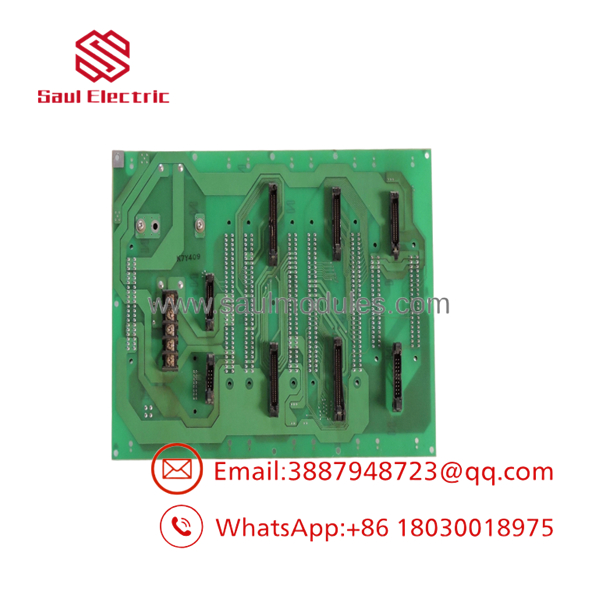
MCA-001-11
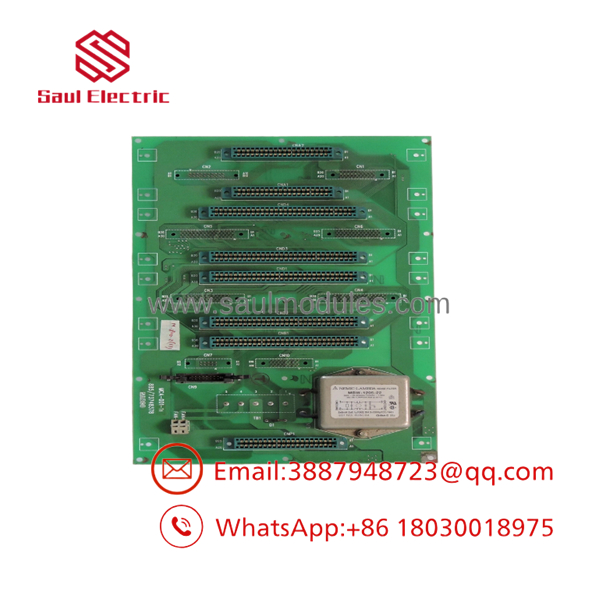
MCA-001-11
Transparency SOP: Quality Assurance & Testing
- Inbound Visual & Integrity Inspection: We inspect casing plastic for cracks, examine board solder joints for heat stress, check edge contacts for corrosion, and verify original NABCO label markings.
- Dedicated Test Rig Mounting: The module is secured onto an active NABCO operator test bench fitted with a standard drive motor, optical encoder, and safety photocell array.
- Full Functional Cycle Testing: We run the module through 50+ complete open/close routines, measuring open/close speed ramps, creep distances, hold-open delay timers, and dynamic brake response.
- Safety & Overcurrent Load Verification: We physically block the door travel during closing cycles to confirm that the auto-reversing current sensing circuit trips instantly without overcurrent damage to motor driver transistors.
- ESD Cleaning & Final Packaging: After clearing QC logging, the board receives a non-conductive terminal cleaning, is sealed inside an ESD anti-static shield bag, and is packed in custom foam-padded shipping boxes.
The Veteran’s Tech Trap Guide
- ⚠️ Verify Supply Voltage First: ❗ Never hook up a replacement board without taking a multimeter reading across your line transformer secondary terminals. A failing step-down transformer delivering voltage over 115V AC will instantly fry the primary power stage on your new controller.
- ❗ Document Potentiometer Dial Positions: Take a clear photo of all adjustment trimmers (speed, braking zone, hold time, creep range) on your old module before unmounting it. Dialing those baseline settings into the replacement board saves massive ladder time during initial startup.
- ⚠️ Mind the DIP Switch and Jumper Configurations: The board uses onboard jumpers/switches to configure sensor logic (Normally Open vs. Normally Closed). Setting these incorrectly will cause the door to lock permanently open or behave in reverse.
- ❗ Inspect Harness Terminal Tightness: Vibration over years of door motion can loosen terminal screws or stretch connector pins. Clean harness sockets with electrical contact cleaner and ensure secure terminal engagement to prevent intermittent “ghosting” faults.
Frequently Asked Questions (FAQ for Conversion)
Q: Can I replace the NABCO while the system power is active?
A: No. Always isolate line power before disconnecting or seating terminal connectors. Hot-plugging live harnesses can cross high-voltage pins and destroy the onboard microprocessor.
Q: Is the a direct drop-in replacement for earlier MC-series modules?
A: While they share similar operational concepts, pin assignments and harness header layouts can vary across controller generations. Always cross-check your header wiring schematic before applying power to an updated board model.
Q: Why does the door stay wide open after installing the replacement ?
A: This usually points to an active safety circuit trigger or incorrect jumper logic. Verify that safety photoelectric beams are aligned and that the card’s NC/NO safety input jumper matches your sensor’s output contact state.
Q: Are these replacement modules factory-new or surplus?
A: Because factory production for legacy MCA-001 series components has been phased out, our inventory consists of certified New Surplus (unused original stock) or thoroughly bench-tested Refurbished boards sourced from controlled system retrofits.
Q: What warranty coverage comes with this controller unit?
A: Every unit comes backed by our comprehensive 12-month industrial replacement warranty. Should any hardware defect or operational failure occur within 365 days, we provide an immediate unit exchange or refund.
Q: Why is buying a replacement controller far cheaper than buying a whole new operator header?
A: Replacing the controller module takes under 30 minutes and retains existing tracks, belts, motors, and glass framing. A full operator header replacement requires structural construction, expensive hardware packages, and days of operational downtime.

 Start Chat


