





Description
Product Introduction
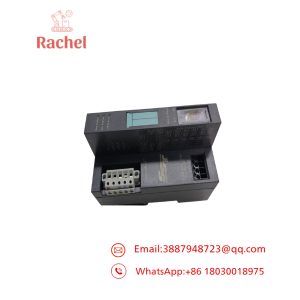
The Watlow Anafaze CAS200 CLS216 is a compact multi-loop PID temperature controller designed for complex thermal applications like plastics extrusion, heat treating, and semiconductor processing. Integrating 16 independent control loops into a single chassis, it handles thermal profiles without cluttering your cabinet panels with individual DIN units.
Unlike basic discrete controllers, the CLS216 processes high-density thermocouple and RTD signals using dedicated onboard firmware. This offloads calculation overhead from your primary PLC or IPC, keeping cycle times tight and preventing thermal overshoot on critical lines.
Key Technical Specifications
| Parameter | Specification |
| Control Loops | 16 Independent PID Loops |
| Input Types | Thermocouple (J, K, T, E, R, S, B, N) / RTD (Pt100) / Linear Volts & mA |
| Output Types | Switched DC / Solid State Relay (SSR) Drive / Open Collector |
| Serial Communication | RS-232, RS-485 (Anafaze Protocol / Modbus RTU) |
| Power Supply Requirements | 15–24 VDC (Typical System Supply) |
| Display Type | Dual Vacuum Fluorescent Display (VFD) or LED Interface |
| Loop Scan Rate | ~100 ms per loop channel |
| Operating Temperature | 32°F to 122°F (0°C to 50°C) |
| Mounting Style | Panel / Sub-Panel DIN Rail Mounting |
| Enclosure Rating | IP20 / NEMA 1 equivalent |
Application Scenarios & The “Trench” Experience
It’s 3:00 AM on a Sunday. A multi-zone plastic extrusion line drops dead because the 15-year-old Anafaze thermal controller on Zone 8 stopped handshaking with the main panel. The barrel cools down, resin hardens, and every hour of downtime costs thousands in scrapped material and cleanup. These legacy Watlow multi-loop boxes are the backbone of old-school manufacturing, and finding a working drop-in replacement fast is often the difference between a minor shift delay and days of lost production.
Specific Applications:
- Plastics & Extrusion: Multi-zone barrel temperature management across 16 heating sectors.
- Heat Treating & Ovens: Precise PID profile monitoring across large industrial batch ovens.
- Packaging Machinery: Form-fill-seal applications where multiple heat-sealing jaws require individual loop execution.
Field Case Study:
A midwest rubber molding facility ran an aging setup driven by a CLS216 unit. When the internal communication chip failed, the plant faced a choice: spend $40,000 to retrofit the entire machine’s control architecture to a modern PLC system with a 3-week lead time, or swap the faulted unit. By swapping in a pre-tested, identical Watlow CAS200 CLS216 module, field techs restored communication in under 45 minutes and saved the facility from an extended shutdown.
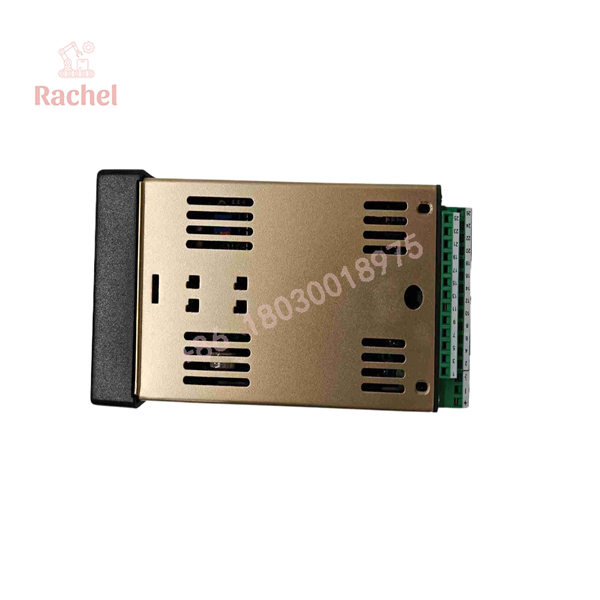
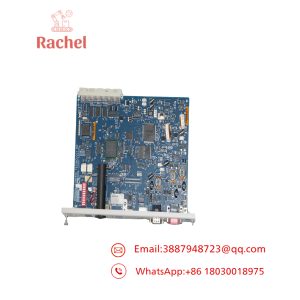
CAS200 CLS216
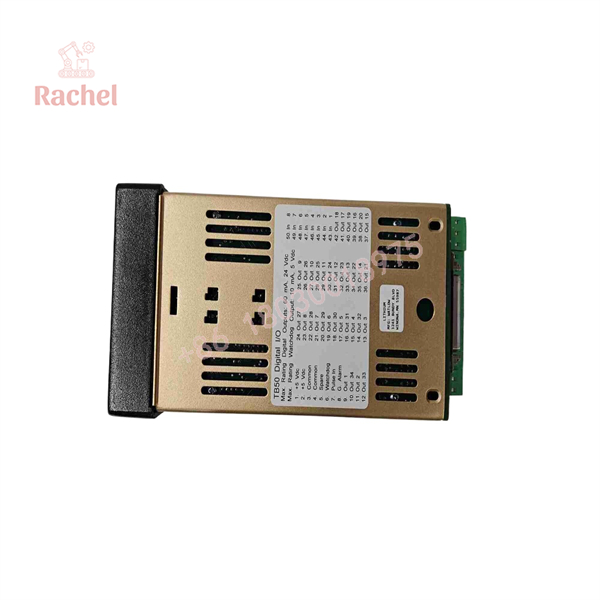
CAS200 CLS216
Transparency SOP: Quality Assurance & Testing
We don’t just ship boxes; we test them on actual Watlow test rigs. Here is how we verify our surplus and legacy hardware before it leaves the bench:
- Inbound Visual Inspection: We inspect physical terminal blocks, backplane pin connectors, and casing housings for cracking or heat stress. Anti-counterfeit checks verify original serial labels.
- Power-On & Diagnostic Boot: Connect power to verify the CPU initial handshake, display status, and memory check routines.
- Signal & Channel Validation: Inject calibrated mV/RTD signal voltages across all 16 input terminals to ensure proper channel scaling and reading accuracy.
- Serial Comm Handshake: Verify RS-232 and RS-485 port responsiveness using standard terminal queries to guarantee no dead comm chips.
- ESD Protection & Packaging: Store and pack in grounded anti-static bags with custom foam cushions to ensure safe transport.
The Veteran’s Tech Trap Guide
⚠️ Watch Out for Protocol & Baud Settings! When swapping an older CLS216 card, check the dip switches and software configuration for the comm port. If the original system used Anafaze standard bus protocol instead of Modbus RTU, your host PLC will report comm timeouts immediately after power-up.
❗ Take Photos of the Input Jumper Matrix Before Removal! The input channels on these cards depend on internal jumper hardware settings or dip switches to switch between Thermocouple, RTD, and 4–20mA inputs. Take a clear photo of the board jumpers on the old module before pulling it out. If you don’t line them up on the replacement, your inputs will read out of range immediately.
⚠️ Check Output Power Sourcing! Don’t assume the output driver setup matches your control valving or SSR drive circuit. Confirm whether the outputs are configured as open collector or sourcing DC to avoid frying the output bank upon initial startup.
Frequently Asked Questions (FAQ)
Q: Is the Watlow Anafaze CLS216 hot-swappable?A: No. Never pull or insert this unit while the system power rail is energized. Doing so risks arc-over on the backplane connections and can permanently damage the channel input multiplexers.
Q: Can I flash modern firmware onto this legacy CLS216 module?A: Firmware updates on these units are tied directly to physical EPROM chips inside the unit. You should match the firmware revision letter/number on the side label with your existing setup to avoid communication driver conflicts.
Q: What is the difference between the CAS200 and the CLS216 designation?A: The CAS200 typically refers to the controller system assembly chassis/architecture setup, whereas the CLS216 specifically designates the 16-channel loop control unit within that family.
Q: Why choose pre-owned surplus over a brand-new migration kit?A: Migration kits require updating panel drawings, reprogramming PLC routines, and buying new I/O cards, which often takes weeks. Swapping an identical legacy model takes minutes and avoids costly engineering downtime.
Q: Does this hardware come with a warranty?A: Yes. Every unit is fully tested and backed by a 12-month operational warranty covering technical defects and hardware failure under standard working conditions.

 Start Chat


