





Description
Product Introduction & Engineering Value
When web tension begins drifting, operators often adjust drives, brakes, or PID parameters before discovering the real problem lies with inaccurate force measurement. The ABB PFTL101BE 2.0 kN is designed to eliminate that uncertainty by providing stable, repeatable force measurements under demanding production conditions.
Using ABB’s Pressductor® sensing technology, the PFTL101BE measures the horizontal force acting on a roll bearing. Unlike conventional strain-gauge load cells, Pressductor technology is highly resistant to overload, vibration, and long-term drift, making it well suited for continuous web handling applications. The BE version incorporates a factory-installed cable and IP66 protection for harsh industrial environments.
Technical Specifications
| Parameter | Specification |
|---|---|
| Manufacturer | ABB |
| Model | PFTL101BE |
| Product Type | Pressductor® PillowBlock Load Cell |
| Measuring Principle | Pressductor Magnetic Elastic Technology |
| Nominal Load | 2.0 kN |
| Measuring Direction | Horizontal Force |
| Accuracy Class | ±0.5% of Rated Capacity |
| Repeatability | Better than ±0.05% |
| Working Range | Approximately 30:1 |
| Deflection at Rated Load | 0.015 mm |
| Spring Constant | 130 kN/mm |
| Housing Material | Stainless Steel |
| Protection Rating | IP66 |
| Operating Temperature | -10°C to +105°C |
| Electrical Connection | Factory-installed fixed cable (BE version) |
Field Application & The “Trench” Experience
A coated paper production line experienced frequent web breaks during high-speed operation. Operators adjusted dancer rolls and drive tuning repeatedly, yet tension readings continued to fluctuate between adjacent machine sections.
During a maintenance shutdown, engineers compared the outputs from both load cells supporting the guide roll. One PFTL101BE showed increasing measurement drift only after the machine reached operating temperature. Replacing the sensor restored stable tension control immediately, reducing web breaks without changing controller parameters.
Typical applications include:
- High-speed paper machine dryer sections
- Steel strip pickling and galvanizing lines
- Aluminum foil rolling mills
- Plastic film stretching and coating equipment
- Textile web processing and converting machines
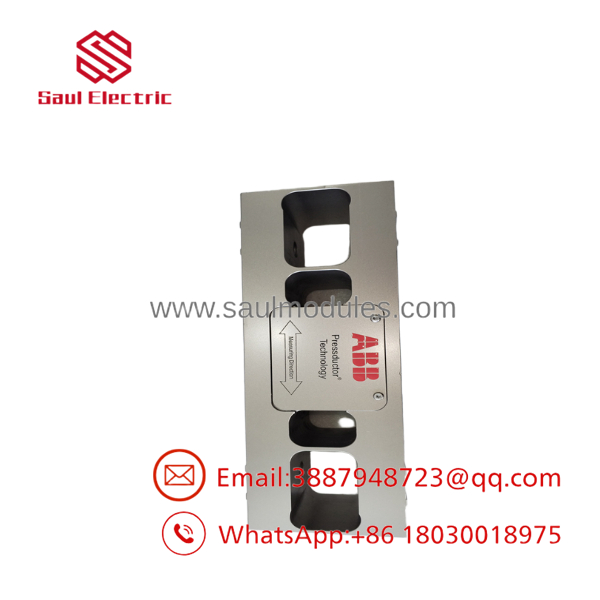
- PFTL101BE 2.0 kN
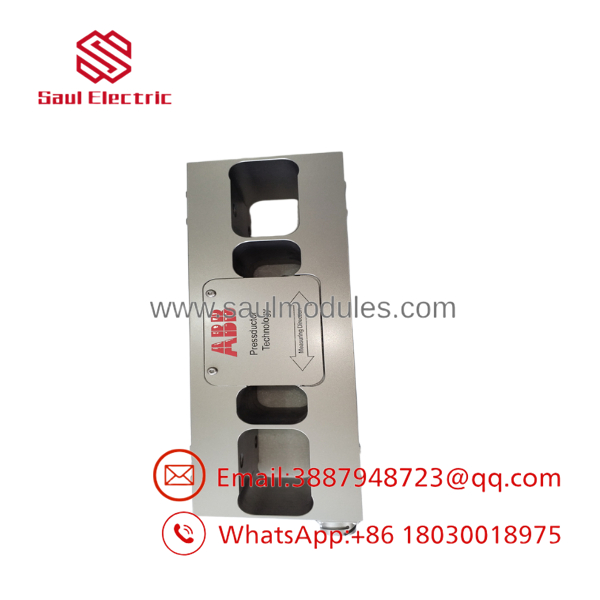
- PFTL101BE 2.0 kN
Transparency SOP: QA & Testing
Every New Surplus or professionally Refurbished completes a documented inspection before shipment.
- Verify ABB model number, rated capacity, and serial identification.
- Inspect the stainless steel housing for deformation or impact damage.
- Check cable integrity, insulation resistance, and connector condition.
- Verify insulation between the sensing element and housing.
- Simulate mechanical loading using calibrated force equipment.
- Confirm signal stability and repeatability throughout the measurement range.
- Package using ESD-safe and shock-protected materials with full traceability.
The Veteran’s Tech Trap Guide
⚠️ Don’t assume every tension problem is an electronic fault. Misaligned bearings, damaged adapter plates, or force shunting through the machine frame can produce inaccurate readings even when the load cell is functioning correctly.
⚠️ Never weld near an installed load cell. Welding current passing through the bearing housing or load cell body can permanently damage the magnetic sensing element.
PRO TIP: Before replacing the sensor, inspect both the upper and lower adapter plates. Uneven mounting surfaces introduce mechanical stress that directly affects measurement accuracy.
PRO TIP: ABB recommends following the “10% rule.” During normal operation, the measured force should exceed approximately 10% of the load cell’s rated capacity to maintain optimal measurement performance.
Dynamic FAQ
Q1. What is the difference between PFTL101B and ?
The sensing performance is essentially the same. The primary difference is the electrical connection: PFTL101B uses a plug-in connector, while is supplied with a permanently attached cable, providing improved environmental protection.
Q2. Why choose the 2.0 kN version?
The 2.0 kN model is intended for applications where the expected horizontal measuring force is approximately 2 kN. Selecting the correct load rating is essential for achieving the specified accuracy and measurement resolution.
Q3. Which industries commonly use the ?
It is widely used in paper mills, steel processing lines, aluminum rolling, film converting, printing, coating, and other continuous web handling processes where precise tension measurement is required.
Q4. Can the be connected directly to a PLC analog input?
No. The load cell requires compatible ABB Pressductor® tension electronics (such as the PFEA series) to excite the sensor and convert its output into a standard industrial signal suitable for a PLC or DCS.
Q5. How is New Surplus authenticity verified?
Each sensor undergoes model verification, mechanical inspection, cable continuity testing, calibration verification, and functional signal testing before shipment.
Q6. What warranty is typically available?
Warranty terms vary by supplier. Most industrial automation distributors provide a functional warranty for New Surplus and professionally refurbished load cells after documented inspection and operational testing.

 Start Chat


