





Description
Product Introduction
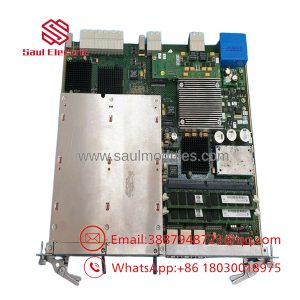
The Alcatel-Lucent 3AG33727AA 02 is an advanced optical transport card engineered for the Alcatel-Lucent (Nokia) 1830 Photonic Service Switch (PSS) platform. Designed for high-density Dense Wavelength Division Multiplexing (DWDM) and Optical Transport Network (OTN) architectures, this module handles high-throughput payload framing and optical signal cross-connection across metro and long-haul transport rings.
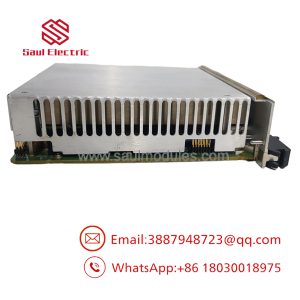
This specific hardware variation (Revision 02) incorporates upgraded onboard signal processing components and improved heat dissipation features compared to initial production runs. These design tweaks eliminate thermal throttling issues in high-density chassis environments. If you are managing legacy 1830 PSS-16 or PSS-32 shelves, keeping a verified 3AG33727AA 02 spare on hand prevents long outages when an optical transceiver or framer chip degrades.
Key Technical Specifications
| Parameter | Specification / Value |
| Part Number | 3AG33727AA |
| Hardware Revision | 02 |
| Manufacturer | Alcatel-Lucent / Nokia |
| Platform Compatibility | Alcatel-Lucent 1830 PSS Series (PSS-4 / PSS-16 / PSS-32) |
| Module Type | DWDM / OTN Interface Card |
| Bus Interface | High-Speed Proprietary Backplane Interconnect |
| Power Feeds | Dual Redundant -48V DC Backplane Connections |
| Power Consumption | ~35W to 65W (Depending on optic loading) |
| Operating Temperature | 0°C to +45°C (32°F to 113°F) |
| Form Factor | Full-Slot Module Assembly |
| Status Indicators | Multi-LED (STAT, CRIT, MAJ, MIN, ACTIVE) |
Application Scenarios & The “Trench” Experience
It is 1:45 AM on a Sunday. A core DWDM transport route between two major data centers loses link lock. The primary 100G ring drops into protection mode, but your secondary path is running at 90% capacity. You log into the 1830 PSS shelf manager via the craft interface and see an unrecoverable hardware fault on a 3AG33727AA card sitting in Slot 5. The framer ASIC is unresponsive to remote resets. In telecommunications and critical utility networks, running without secondary redundancy is living on borrowed time. Finding a factory-fresh or verified drop-in module with the exact hardware rev match is the difference between a minor maintenance window and a massive multi-day network outage.
Target Applications
- Telecom Core & Metro DWDM Transport: Routing high-bandwidth optical channels across long-haul metro transport nodes.
- Data Center Interconnect (DCI): Maintaining low-latency, high-availability optical links between enterprise cloud facilities.
- Utility Critical Infrastructure: Processing SCADA telemetry, protection signaling, and operational voice channels over fiber rings.
- Government & Enterprise Backbones: Providing high-security, protocol-agnostic optical transport across regional facilities.
Field Case Study
A regional metro network provider suffered a sudden hardware lockup on a primary 1830 PSS node during a scheduled network reconfiguration. The OEM lead time for a replacement board was quoted at 14 weeks due to component backlogs. We dispatched a bench-tested 3AG33727AA 02 card overnight. The local field technician hot-swapped the faulty board, pushed the provisioning profile from the NMS controller, and restored full optical channel synchronization in under 15 minutes. Network redundancy was fully re-established before peak morning traffic.
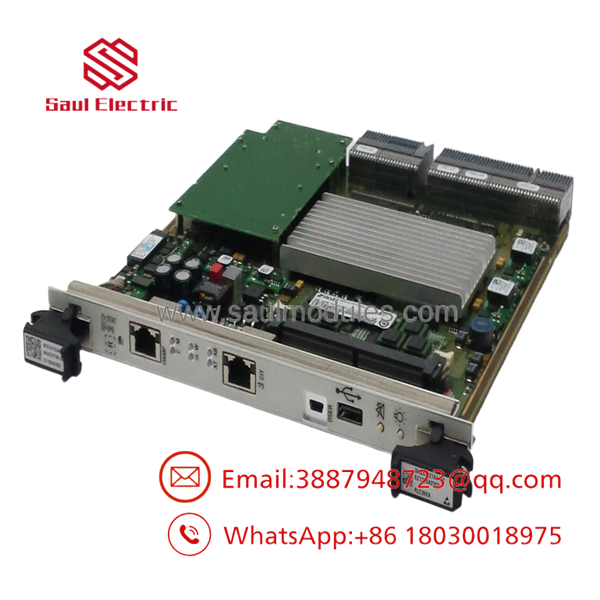
3AG33727AA 02
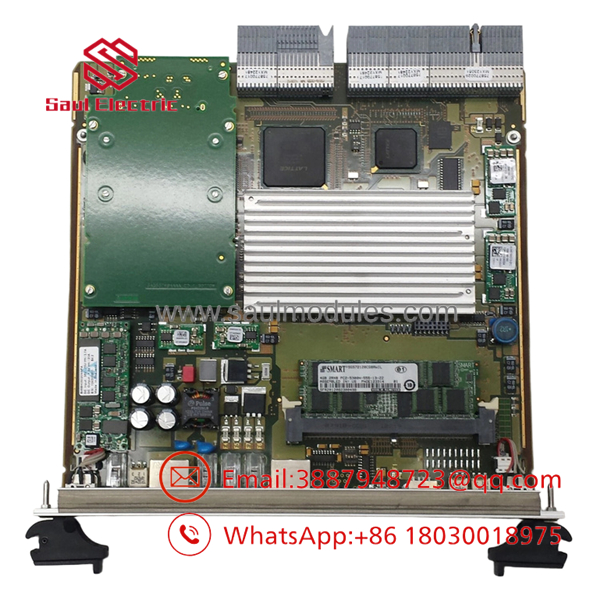
3AG33727AA 02
Transparency SOP: Quality Assurance & Testing
We don’t just ship hardware out the door; we put every optical board through real-world stress testing:
- Inbound Visual & Pin Inspection: We inspect all edge connectors, PCB trace layers, surface-mount components, and structural latches for micro-cracks, thermal discoloration, or physical wear.
- Chassis Live-Rig Handshake: The module is inserted into a fully powered Alcatel-Lucent 1830 PSS test shelf to verify backplane powering, EEPROM ID detection, and initial system boot sequences.
- Traffic Load & Signal Integrity Verification: Ports undergo extended bit-error rate testing (BERT) to verify optical framing integrity, timing synchronization, and backplane bus stability under load.
- Firmware & Revision Audit: We read onboard EEPROM chips to log serial numbers, FPGA code revisions, and hardware rev levels to match your exact network profile.
- Anti-Static ESD Packaging: Cleansed with anti-static solution, sealed in static-shielding bags, and suspended in dense foam packaging built to handle rough shipping environments.
The Veteran’s Tech Trap Guide (Crucial Value-Add)
⚠️ 1. Hardware Revision 02 vs. Earlier Revisions
Do not assume a 3AG33727AA 01 card will seamlessly drop into a shelf configured for 02. Revision 02 has minor hardware modifications in its power regulator and timing circuits. If your shelf management software enforces strict card profile checks, putting the wrong revision in can trigger an EQUIP-MISMATCH alarm and refuse to initialize the ports.
❗ 2. Watch Out for Backplane Pin Damage
The 1830 PSS backplane utilizes high-density pin array connectors. When sliding the 3AG33727AA 02 into the shelf slot, keep it perfectly square with the guide rails. If you meet resistance before locking the faceplate levers, stop. Forcing the levers down will bend or shear backplane pins, which can ruin the entire chassis shelf.
⚠️ 3. ESD Wrist Straps Are Non-Negotiable
The optical processing chips on this board are ridiculously sensitive to static discharge. An unseen ESD shock won’t always kill the board immediately; it often damages input capacitors, leading to mysterious, intermittent bit errors weeks down the road. Clip your strap to the shelf ground lug before touching the card.
❗ 4. Backup Shelf Database Prior to Insertion
Even though the 1830 PSS controller stores card provisioning data, swapping line modules can occasionally trigger an automatic software sync that overrides local port configurations. Export a fresh database backup via your Craft terminal before pulling or inserting cards.
Frequently Asked Questions (FAQ)
Q: Is the 3AG33727AA 02 board hot-swappable?
A: Yes, the hardware supports hot-swapping while the 1830 PSS chassis is powered up. However, you should administratively lock or unprovision the board in your management software before pulling it to avoid generating protection-switching alarms.
Q: Why should we buy legacy surplus instead of upgrading our 1830 PSS shelf?
A: A full shelf or system platform upgrade requires thousands of dollars in new hardware, fiber re-patching, re-licensing, and weeks of engineering time. Replacing a single line card extends the lifecycle of your existing capital investment for a tiny fraction of that cost.
Q: How do I know this card will be compatible with my software release?
A: Revision 02 is widely supported across standard 1830 PSS software releases. We log exact firmware details on our test reports so you can cross-reference with your system release notes before deployment.
Q: Are these genuine Alcatel-Lucent / Nokia boards?
A: Absolutely. We inspect all board markings, silk-screening, internal hardware IDs, and manufacturing logs. We never sell third-party clones or bootleg PCBs.
Q: What kind of warranty do you offer on this module?
A: Every board comes backed by a 12-month advance replacement warranty. If a board fails functional or traffic checks during normal operation, we ship out a replacement immediately.

 Start Chat


