





Description
Product Introduction
The Nokia / Alcatel-Lucent 3HE00229ABAD01 (commonly identified by base part 3HE00229AB or CLEI code IPM3510ARA) is an IOM2-20G (20 Gbps Input/Output Module) engineered for the 7450 ESS (Ethernet Service Switch) and 7750 SR (Service Router) chassis platforms. As a core architecture line card, the IOM2-20G serves as the high-speed interface engine that hosts modular Media Dependent Adapters (MDAs) for flexible Ethernet, POS, or ATM connectivity.
Featuring hardware-based packet processing, deep buffer Quality of Service (QoS) queues, and direct backplane connection to the switch fabric, the 3HE00229ABAD01 delivers 20 Gbps full-duplex throughput. Its hot-swappable architecture allows service providers to perform capacity upgrades, swap physical port media adapters, or service network nodes without interrupting the broader routing chassis.
Key Technical Specifications
| Parameter | Specification / Value |
| Manufacturer | Nokia / Alcatel-Lucent (ALU) |
| Part / Item Code | 3HE00229ABAD01 (Base: 3HE00229AB) |
| CLEI Code | IPM3510ARA |
| Module Type | IOM2-20G (Input/Output Module 20 Gbps) |
| Platform Compatibility | Nokia / Alcatel-Lucent 7450 ESS-7 / ESS-12 & 7750 SR-7 / SR-12 |
| Forwarding Throughput | 20 Gbps Full-Duplex |
| MDA Expansion Slots | Hosts up to 2x Media Dependent Adapters (MDA / MDA-20G slots) |
| QoS & Buffering | Hardware-based ingress/egress queues per port and service |
| Hot-Swap Support | Yes (In-Service Insertion & Removal / ISSU compatible) |
| Operating System | Managed via SR-OS (Service Router Operating System) |
| Operating Temperature | Standard Telecommunications Central Office Conditions (0°C to 40°C) |
Application Scenarios & The “Trench” Experience
Picture this: It’s 2:30 AM during a scheduled central office maintenance window. A regional metro Ethernet ring needs a port expansion to support incoming 10G backhaul traffic from new 5G cell sites. The core routing node is a Nokia 7450 ESS-12 switch. Rather than replacing the entire line card structure, field engineers can install or hot-swap an IOM2-20G (3HE00229ABAD01) base module equipped with two 10G optical MDAs. The SR-OS operating system detects the IOM2 baseboard, synchronizes service provisioning from the active Control Processing Module (CPM), and turns up 20 Gbps of new bandwidth without interrupting adjacent slot traffic.
- Carrier Ethernet Service Aggregation – Aggregates high-density 1G and 10G subscriber lines while applying granular QoS bandwidth throttling per customer SLA.
- Mobile Backhaul & IP/MPLS Core – Serves as the primary line card interface for transporting cell site data traffic back to packet core gateways.
- Metro Metro Ring Expansion – Offers modular slot flexibility, allowing network operators to mix optical interface types (SFP, SFP+, XFP) on the same underlying IOM baseboard.
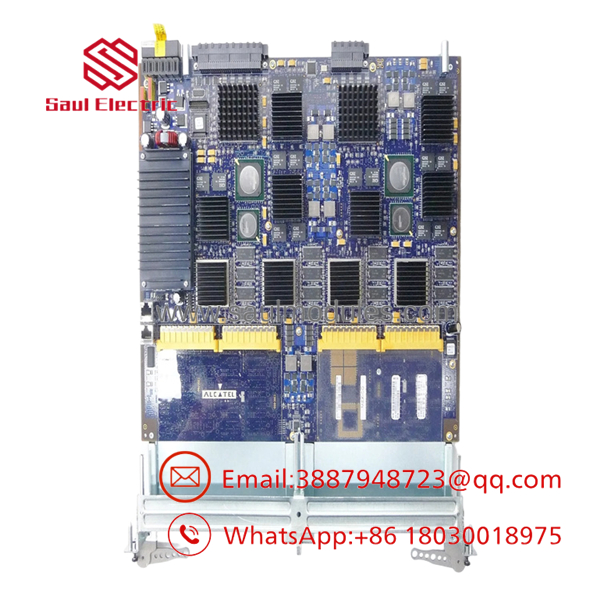
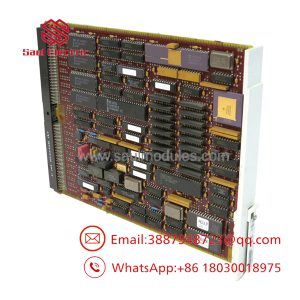
3HE00229ABAD01
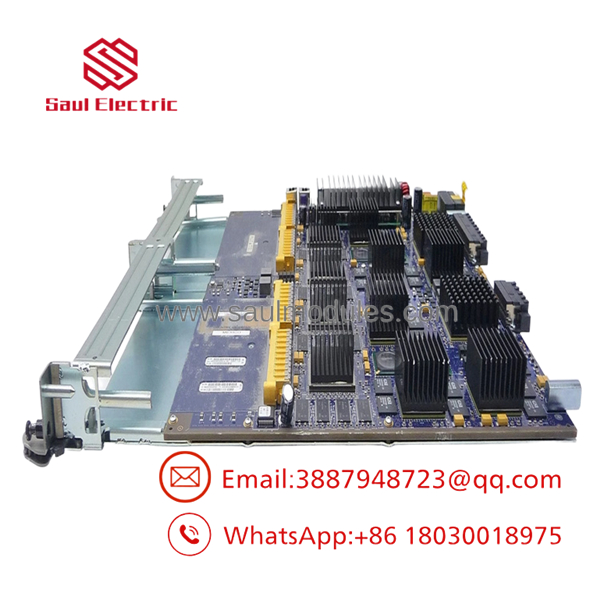
3HE00229ABAD01
Transparency SOP: Quality Assurance & Testing
Every module undergoes a strict telecom bench test before dispatch:
- Physical & Component Audit: Visual examination of gold finger backplane connectors, MDA locking levers, front faceplate latches, and board surface components for zero physical wear or ESD damage.
- Chassis Insertion & Boot Test: Mounted into a dedicated test chassis (e.g., 7450 ESS-12 or 7750 SR-7) to verify clean boot-up sequences, EEPROM recognition, and CLEI code verification (
IPM3510ARA). - MDA Slot Recognition & Traffic Stress Test: MDA daughtercards inserted into both slots; full wire-speed traffic generation (BERT testing) executed across all ports to confirm zero packet drop under peak 20G throughput.
- Thermal & Diagnostic Verification: Log audit via SR-OS CLI (
show card,show mda) to verify normal voltage rails, operating temperatures, and zero hardware error flags. - ESD Cleaning & Protective Packaging: Static charge dissipated, fitted with protective slot covers, vacuum-sealed in anti-static ESD shielding bags, and packed inside custom telecom foam shipping boxes.
The Veteran’s Tech Trap Guide (Crucial Value-Add)
- ⚠️ Verify SR-OS Software & Chassis Fabric Compatibility!
Ensure that your 7450 ESS or 7750 SR switch fabric card (SF/CPM) and current SR-OS software release support IOM2-level cards. Older first-generation switch fabrics (SF/CPM1) or legacy software builds may require a upgrade before recognizing the 20G throughput architecture of the 3HE00229ABAD01.
- ❗ Inspect Backplane Pins and Align Slot Rails
Carrier line cards feature high-density multi-pin backplane headers. Always inspect the backplane connector block on the 3HE00229ABAD01 and inside the chassis slot before insertion. Align the card carefully with the slot guide rails and use both top and bottom ejector handles simultaneously—never force the module into the slot.
- ⚠️ Do Not Confuse IOM2 with IOM3 / IOM4 Cards!
The
-20Gprovides a maximum throughput of 20 Gbps across its two MDA slots. NewerIOM3-XP(50G) orIOM4-e(200G+) modules offer higher throughput density. Ensure your network design and interface MDAs match the 20G limit of the platform. - ❗ Observe Static Grounding (ESD) Rules
Always attach a grounded ESD wrist strap to the chassis grounding point before touching or installing line cards. Static charges can damage the onboard packet processing ASICs.
Frequently Asked Questions (FAQ)
Q: What is the difference between part number 3HE00229AB and 3HE00229ABAD01?
A: 3HE00229AB is the base hardware part code for the -20G module, while 3HE00229ABAD01 represents the full ordering/revision designation code (including specific revision AD01).
Q: Does this card come with port interfaces built directly onto the front faceplate?
A: The is an Input/Output baseboard card. It features two open bays designed to accept modular Media Dependent Adapters (MDAs) (such as 10-port 1G SFP MDAs or 1-port 10G XFP MDAs), which contain the actual physical network ports.
Q: Is this module hot-swappable in an active chassis?
A: Yes. The 7450 ESS and 7750 SR platforms support hot-swappable line cards. Unlocking the card’s ejector handles signals the SR-OS operating system to gracefully transfer traffic before physical disconnection.

 Start Chat


