





Description
Product Introduction
The Allen-Bradley 1746-NI16I is a sixteen-channel analog current input module designed for the SLC 500 PLC platform. It accepts multiple industrial current signal ranges from field transmitters and process instruments used in water treatment, chemical processing, power generation, and manufacturing automation. The module has officially reached discontinued lifecycle status.
Unlike lower-density analog modules, the 1746-NI16I allows sixteen process loops to be connected through a single slot, reducing rack space and simplifying I/O expansion. It supports programmable digital filtering and Sigma-Delta A/D conversion, making it suitable for noisy industrial environments where signal stability matters more than maximum update speed.
Key Technical Specifications
| Parameter | Value |
|---|---|
| Manufacturer | Allen-Bradley / Rockwell Automation |
| Catalog Number | 1746-NI16I |
| Product Family | SLC 500 |
| Module Type | Analog Current Input |
| Number of Inputs | 16 Channels |
| Supported Input Ranges | 0–20 mA, 4–20 mA, ±20 mA, 0–1 mA |
| Resolution | 16-bit |
| A/D Conversion | Sigma-Delta |
| Backplane Current @5VDC | 125 mA |
| Backplane Current @24VDC | 75 mA |
| Isolation | 500 VAC / 710 VDC (60 s) |
| Digital Filter | Programmable (6–250 Hz) |
| Installation | Any I/O slot except Slot 0 |
| Lifecycle Status | Discontinued (Engineering Replacement) |
Application Scenarios & The “Trench” Experience
Everyone who has maintained an older SLC 500 system has seen it happen.
A process transmitter suddenly reports impossible values. Operators assume the transmitter failed. After several hours of troubleshooting, the actual fault turns out to be an aging analog input card. Production has already been interrupted, maintenance has been called in, and management wants answers.
Typical applications include:
- Water Treatment — Monitoring flow transmitters where sixteen 4-20 mA loops are concentrated into one PLC rack.
- Chemical Processing — Reading pressure and temperature transmitters requiring stable analog acquisition with configurable filtering.
- Power Generation — Collecting process instrumentation from auxiliary systems without expanding multiple I/O racks.
- Food & Beverage — Receiving analog signals from flow meters and level transmitters during continuous production.
- Oil & Gas Utilities — Acquiring current-loop instrumentation in legacy SLC 500 installations.
Field Case
One refinery maintenance team experienced intermittent analog fluctuations on several pressure transmitters during a night shift. Initial suspicion focused on the transmitters themselves.
After replacing the field devices without improvement, technicians identified an aging 1746-NI16I with unstable internal circuitry. Installing a tested replacement restored all sixteen channels immediately. The production unit resumed operation before the scheduled morning startup, avoiding several additional hours of lost production.
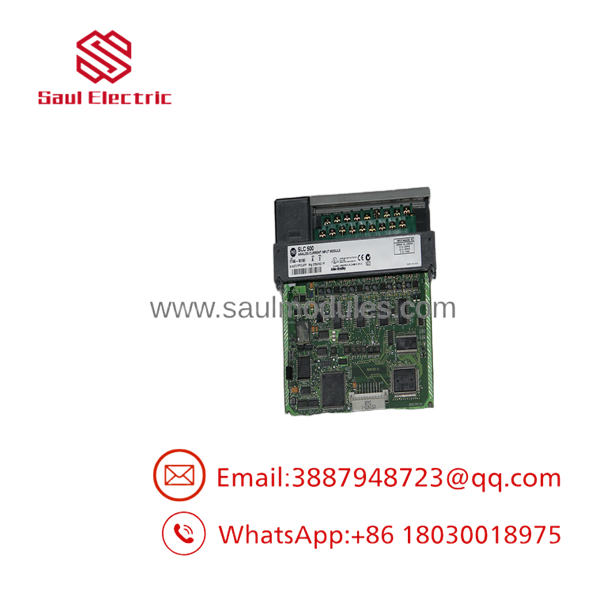
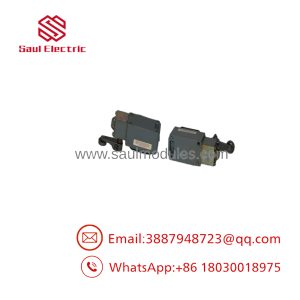
- 1746-NI16I
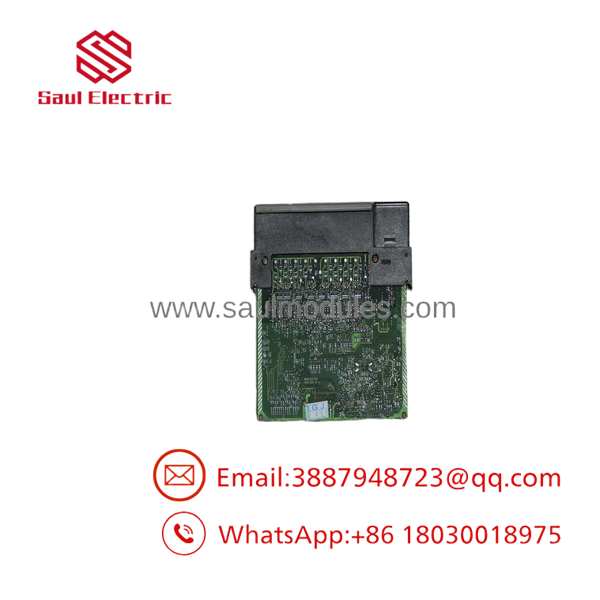
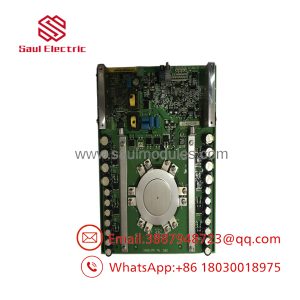
- 1746-NI16I
Transparency SOP: Quality Assurance & Testing
We don’t just ship boxes; we test them on actual Allen-Bradley SLC 500 racks.
- Inbound Inspection
- Verify part number and manufacturing labels.
- Inspect OEM packaging or surplus condition.
- Check for repaired traces, corrosion, and connector damage.
- Live Rack Testing
- Install the module in a functioning SLC 500 chassis.
- Confirm successful module recognition.
- Verify communication with the processor.
- Electrical Parameter Verification
- Measure power consumption.
- Simulate multiple current-loop inputs.
- Verify channel stability and analog accuracy.
- Firmware Documentation
- Record firmware revision when applicable.
- Confirm compatibility with supported SLC processors.
- Final Quality Control
- Complete visual inspection.
- Anti-static packaging.
- Protective cushioning for international shipment.
The Veteran’s Tech Trap Guide
⚠️ Take photos before disconnecting field wiring. Sixteen current loops look surprisingly similar after twenty minutes.
⚠️ Verify the configured current range. A transmitter configured for 4–20 mA connected to a channel expecting ±20 mA may produce misleading process values instead of obvious faults.
❗ Check processor configuration after replacement. Incorrect channel configuration inside RSLogix 500 often appears to be a hardware failure.
⚠️ Inspect the backplane connector carefully. We’ve seen technicians replace perfectly good modules when oxidation on the chassis connector was actually causing intermittent communication.
Always verify wiring, processor configuration, and exact pin assignments against the official Rockwell documentation before energizing the system.
Frequently Asked Questions (FAQ)
Q1. Can the 1746- be hot-swapped?
No. The SLC 500 platform is generally not intended for live module replacement. Removing the module while powered can cause processor faults or I/O communication errors.
Q2. Is the 1746- still manufactured?
No. Rockwell Automation officially discontinued the module on September 30, 2024. Existing systems typically rely on surplus inventory, repair services, or migration to newer platforms.
Q3. Does this module support standard 4–20 mA transmitters?
Yes.
It supports:
- 0–20 mA
- 4–20 mA
- ±20 mA
- 0–1 mA
Configuration is performed within the SLC processor project.
Q4. Will it work with every SLC 500 processor?
It is compatible with SLC 500 systems that support the 1746 I/O platform, provided the processor firmware and project configuration match the installed hardware. Verify compatibility before commissioning.
Q5. Why is surplus inventory less expensive than buying directly from the OEM?
Since the module has reached end of sale, many units come from verified surplus inventories, decommissioned plants, or excess project stock. Pricing reflects market availability rather than original factory list prices.
Q6. Are refurbished modules reliable?
A properly refurbished module should undergo functional testing, analog signal verification, communication testing, and electrical inspection before shipment. Always request documented test results rather than relying solely on cosmetic appearance.
Q7. What is the warranty?
Qualified new surplus and professionally refurbished units are commonly supplied with a 12-month warranty, covering functional defects under normal operating conditions. Warranty terms vary by supplier.

 Start Chat


