





Description
Product Introduction
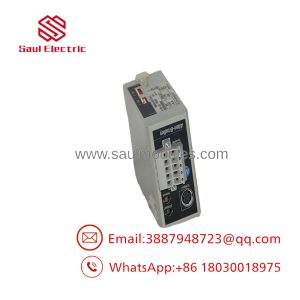
The Allen-Bradley 1746-NIO4I is a combination analog I/O module developed for the SLC 500 PLC family. It integrates two analog input channels and two analog current output channels into a single slot, making it suitable for closed-loop process control where measurement and control signals must coexist within the same controller rack.
Compared with separate analog input and output modules, the 1746-NIO4I reduces chassis space and simplifies wiring. It is commonly used in legacy process systems controlling valves, variable-speed drives, dosing pumps, and transmitters. One thing to watch out for is compatibility with older SLC processor firmware and existing ladder logic configuration before installation.
Key Technical Specifications
| Parameter | Value |
|---|---|
| Manufacturer | Allen-Bradley / Rockwell Automation |
| Catalog Number | 1746-NIO4I |
| Product Family | SLC 500 |
| Module Type | Analog Combination Module |
| Analog Inputs | 2 Differential Channels |
| Analog Outputs | 2 Current Output Channels |
| Input Resolution | 16-bit |
| Output Resolution | 14-bit |
| Input Signal | Voltage or Current Selectable |
| Output Range | 0–20 mA |
| Input Bandwidth | 10 Hz |
| Input Step Response | 60 ms (95%) |
| Output Step Response | 2.5 ms |
| Isolation Voltage | 500 VAC Tested |
| Backplane Current (5 VDC) | 55 mA |
| Backplane Current (24 VDC) | 145 mA |
| Installation | Any standard SLC 500 I/O slot except processor slot |
| Lifecycle Status | Discontinued |
Application Scenarios & The “Trench” Experience
Here’s a situation many maintenance engineers recognize.
A control valve refuses to respond even though the PLC logic appears correct. The analog transmitter reports normal values, the PID loop is active, and communications are healthy. Hours later, the real culprit turns out to be a failed analog output channel inside the combination module.
Typical applications include:
- Water Treatment — PID control of chemical dosing pumps where one module reads flow signals while driving dosing equipment.
- Chemical Processing — Pressure transmitter feedback with 4–20 mA control output to pneumatic valve positioners.
- Food & Beverage — Temperature loop control using analog sensors and proportional control valves.
- Power Generation — Auxiliary boiler control with simultaneous analog monitoring and actuator control.
- Oil & Gas — Tank level measurement combined with proportional pump speed control.
Field Case
During a scheduled shutdown at a wastewater treatment plant, operators discovered that one aeration valve remained fully open regardless of controller commands. The transmitter continued reporting accurate process values, which initially ruled out field instrumentation.
After isolating the loop, technicians traced the problem to a failed analog output channel on a 1746-NIO4I. A tested replacement restored both output channels immediately, avoiding an extended outage that would have delayed plant startup by several hours.
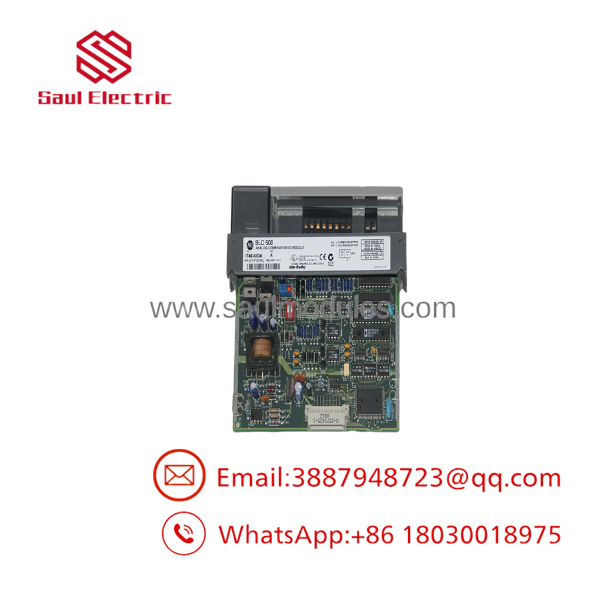
- 1746-NIO4I
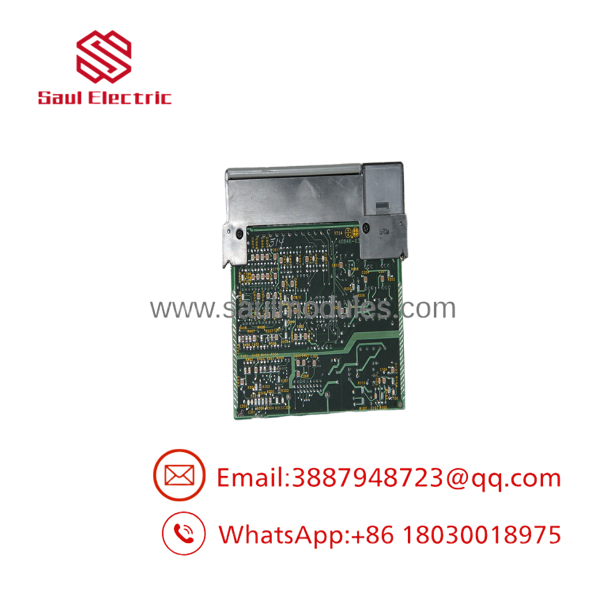
- 1746-NIO4I
Transparency SOP: Quality Assurance & Testing
We don’t just ship boxes; we test them on actual Allen-Bradley SLC 500 racks.
- Inbound Inspection
- Verify catalog number and hardware revision.
- Inspect PCB condition, connectors, and solder joints.
- Check for counterfeit labels or repaired traces.
- Live Rack Testing
- Install the module in an operational SLC 500 chassis.
- Verify processor recognition.
- Confirm both analog inputs and outputs function correctly.
- Electrical Performance Verification
- Simulate 4–20 mA transmitter inputs.
- Measure output current accuracy under varying loads.
- Verify isolation and power consumption.
- Firmware & Hardware Documentation
- Record hardware series and firmware revision where applicable.
- Confirm compatibility with supported SLC processors.
- Final QC
- Complete functional inspection.
- Clean edge connectors.
- Package in anti-static materials with shock protection.
The Veteran’s Tech Trap Guide
⚠️ Don’t assume the replacement is configured the same as the old module. Verify every channel configuration inside RSLogix 500 before returning the process to automatic operation.
⚠️ Take photos of every field terminal before disconnecting wiring. Two inputs and two outputs are easy to confuse during an overnight shutdown.
❗ Check the output load. The current outputs are designed for specified load ranges. Excessive loop resistance causes inaccurate control signals rather than immediate module faults.
⚠️ Verify processor firmware compatibility. Older SLC processors may require project updates after replacing hardware revisions. Always compare the hardware series with the OEM documentation before startup.
Frequently Asked Questions (FAQ)
Q1. Can the 1746- be replaced while the PLC is powered?
No. SLC 500 analog modules are not intended for hot swapping. Removing the module under power can generate controller faults and unexpected analog output behavior.
Q2. Does the module support both analog inputs and outputs?
Yes. It combines two differential analog inputs with two analog current outputs, making it suitable for closed-loop process control applications.
Q3. What signal types are supported?
The input channels can be configured for voltage or current signals, while the output channels provide current outputs up to 20 mA. Verify the exact configuration against the Rockwell user manual before commissioning.
Q4. Is the 1746- still manufactured?
No. It belongs to the discontinued SLC 500 product family. Most available units come from verified surplus inventories or professionally refurbished stock.
Q5. Why is a combination module used instead of separate input and output cards?
It conserves rack space and reduces wiring for applications requiring both measurement and analog control in the same PLC slot. The trade-off is that a failure affects both input and output functions simultaneously.
Q6. Are refurbished modules dependable?
They can be, provided each unit undergoes live rack testing, analog calibration checks, communication verification, and electrical inspection. Cosmetic appearance alone is not evidence of functionality.
Q7. What warranty is typically offered?
Most reputable suppliers provide a 12-month warranty on qualified new surplus and refurbished 1746- modules, covering defects under normal industrial operating conditions. Warranty terms should always be confirmed before purchase.

 Start Chat


