





Description
Product Introduction
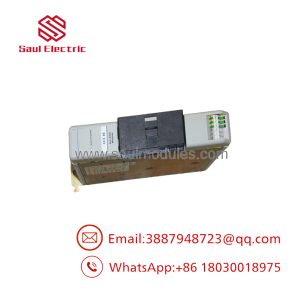
The Allen-Bradley 1746-OA16 is a 16-point AC output module designed for the SLC 500 PLC platform. It switches AC-powered field devices such as contactors, pilot lamps, solenoid valves, and small AC relays operating between 85 and 265 VAC. It occupies one slot in a standard 1746 I/O chassis and communicates through the SLC backplane.
To be honest, this is a straightforward output module rather than a high-speed motion component. Its value comes from dependable AC load switching in legacy SLC 500 systems. Many facilities continue using the 1746-OA16 because replacing a single output card is often far less disruptive than migrating an entire control system.
Key Technical Specifications
| Parameter | Value |
|---|---|
| Manufacturer | Allen-Bradley / Rockwell Automation |
| Catalog Number | 1746-OA16 |
| Product Family | SLC 500 |
| Module Type | Digital AC Output Module |
| Number of Outputs | 16 |
| Output Technology | Triac AC Outputs |
| Operating Voltage | 85–265 VAC, 47–63 Hz |
| Maximum Current per Point | 0.5 A @ 30°C (0.25 A @ 60°C) |
| Maximum Module Current | 8 A @ 30°C |
| Points per Common | 8 |
| OFF-State Leakage | 2 mA Maximum |
| Output ON Delay | 1 ms Maximum |
| Output OFF Delay | 11 ms Maximum |
| Backplane Current Draw | 370 mA @ 5 VDC |
| Isolation | 500 VDC Communication Circuit Isolation |
| Lifecycle Status | Discontinued (Engineering Replacement) |
Application Scenarios & The “Trench” Experience
Here’s one that catches people off guard.
An operator reports that several indicator lamps never turn completely off. The PLC program looks correct. Outputs appear false in the software, yet a meter still detects voltage at the terminals. Someone immediately assumes the module has failed.
Not necessarily.
With triac outputs like the 1746-OA16, a small OFF-state leakage current is normal. If you’re driving an electronic timer or high-impedance input instead of a proper AC load, you’ll often measure ghost voltage even though the output is OFF. That’s expected behavior.
Typical applications include:
- Packaging Industry — Switching AC solenoid valves and stack lights where 120 VAC control circuits remain standard.
- Water Treatment — Operating contactors for auxiliary pumps and chemical feed equipment.
- Food Processing — Controlling conveyor motors through intermediate contactors and AC relays.
- Material Handling — Driving alarm beacons and AC pilot lamps across production lines.
- Power Utilities — Switching auxiliary AC control circuits inside legacy SLC 500 panels.
Field Case
A manufacturing plant experienced random triggering of an electronic timing relay after replacing an older electromechanical timer. Maintenance initially suspected a defective 1746-OA16.
Testing showed the module was operating exactly as designed. The electronic timer required only a tiny amount of current to activate, while the triac output naturally leaked up to a small OFF-state current. Installing an interposing relay solved the issue immediately without replacing the PLC hardware. That’s a lesson many engineers only learn once.
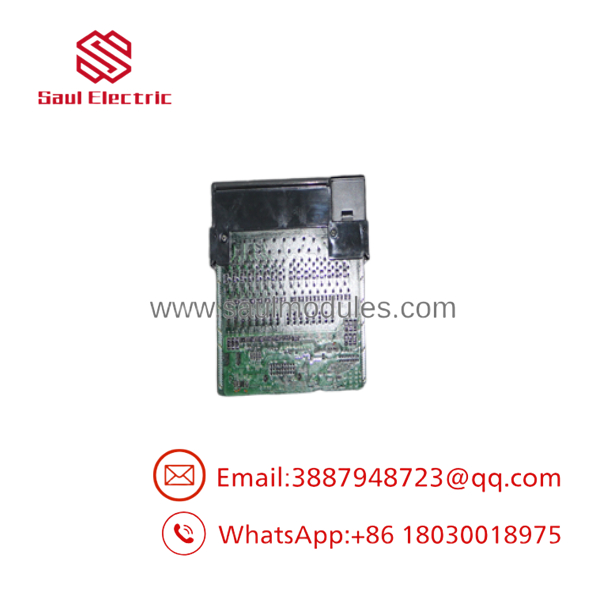
- 1746-OA16
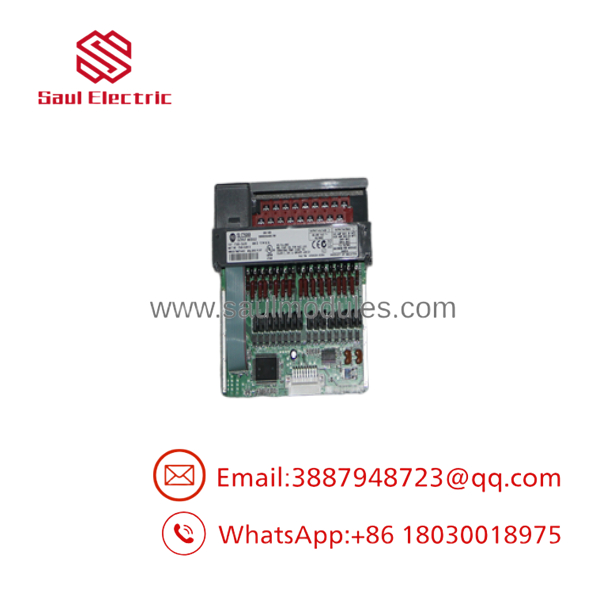
- 1746-
Transparency SOP: Quality Assurance & Testing
We don’t just ship boxes; we test them on actual Allen-Bradley SLC 500 racks.
- Inbound Inspection
- Verify catalog number, hardware series, and product labels.
- Inspect housings, terminals, and PCB condition.
- Screen for counterfeit markings and unauthorized repairs.
- Live Rack Testing
- Install the module in a working SLC 500 chassis.
- Verify processor recognition.
- Cycle all sixteen outputs repeatedly under load.
- Electrical Performance Checks
- Measure switching voltage.
- Verify output response time.
- Confirm isolation and backplane current.
- Hardware Verification
- Record hardware revision.
- Confirm compatibility with supported SLC 500 processors.
- Final QC
- Inspect connectors.
- Package in anti-static materials.
- Protect against vibration during shipment.
The Veteran’s Tech Trap Guide
⚠️ Don’t use this module for DC loads. The 1746- is an AC triac output module. It will not switch DC devices correctly.
⚠️ Remember the outputs are grouped by commons. Eight outputs share one common feed. Miswiring the commons is a surprisingly common startup problem.
❗ Don’t mistake leakage voltage for a failed output. Triac outputs naturally pass a small OFF-state leakage current. High-impedance meters often display voltage even when the output is off. If you’re controlling sensitive electronic devices, use an interposing relay instead.
⚠️ Take photos before removing field wiring. Sixteen output conductors look almost identical after an hour of troubleshooting.
Always verify field wiring, load ratings, and terminal assignments against the official Rockwell documentation before energizing the cabinet.
Frequently Asked Questions (FAQ)
Q1. Can the 1746- be hot-swapped?
No. The SLC 500 platform does not support replacing this module while the chassis is energized. Remove system power before installation or removal.
Q2. Is this a relay output module?
No. The 1746- uses triac outputs, not electromechanical relays. It is intended for switching AC loads only.
Q3. Why do I measure voltage when the output is OFF?
This is normal in many installations. Triac outputs have a small OFF-state leakage current. High-impedance meters and certain electronic loads may detect this voltage even though the output is not conducting under normal load conditions.
Q4. Is the 1746- still manufactured?
No. Rockwell Automation discontinued the module on December 1, 2022. Most replacement units now come from verified surplus inventory or professionally refurbished stock.
Q5. Can it drive solid-state relays or electronic timers directly?
Sometimes, but not always. Because of triac leakage current, certain electronic devices may not turn completely off. When this occurs, an interposing relay is usually the preferred solution.
Q6. Are refurbished modules dependable?
Yes—provided they undergo live rack testing, output load testing, electrical inspection, and verification of all sixteen channels before shipment. Cosmetic condition alone is not a reliable indicator of functionality.
Q7. What warranty is typically offered?
Most reputable industrial automation suppliers provide a 12-month warranty on qualified new surplus and professionally refurbished 1746- modules covering functional defects under normal industrial operating conditions. Always review the supplier’s warranty terms before purchase.

 Start Chat


