





Description
Product Introduction
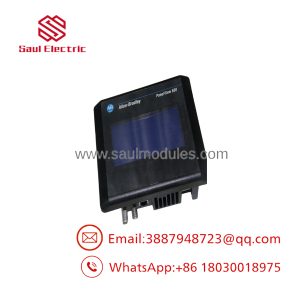
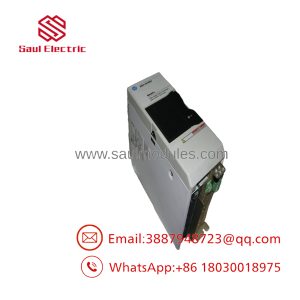
The Allen-Bradley 1747-BSN is a Backup Scanner Module developed for redundant SLC 500 control systems. Installed in paired primary and secondary PLC racks, it transfers critical process data between processors and automatically switches control to the standby processor if the primary system experiences a major fault, power loss, or is placed into Program mode.
In our field experience, the 1747-BSN is one of the few SLC 500 modules specifically intended for high-availability applications. It supports High-Speed Serial Link (HSSL), Local Status Link (LSL), and Remote I/O communication. One thing to watch out for is that the module only provides redundancy for remote I/O. Local chassis I/O is not backed up, which is a common misunderstanding during system design.
Key Technical Specifications
| Parameter | Value |
|---|---|
| Manufacturer | Allen-Bradley / Rockwell Automation |
| Catalog Number | 1747-BSN |
| Product Family | SLC 500 |
| Module Type | Backup Scanner Module |
| Compatible Processors | SLC 5/02, SLC 5/03, SLC 5/04, SLC 5/05 |
| Primary Function | Redundant Processor Synchronization |
| Communication Links | HSSL, LSL, RIO or DH+ |
| Maximum Data Table Transfer | 2 KWords per BSN Pair |
| HSSL Transfer Rate | Up to 100 KWords/s (2 Mbit/s) |
| Local Status Link Speed | 57.6 Kbaud |
| Backplane Current Draw | 800 mA @ 5 VDC |
| Connector | 6-Pin Phoenix Connector |
| Recommended Cable | Belden 9463 |
| Operating Temperature | 0°C to +60°C |
| Maximum Modules per Chassis | 8 |
| Mounting | Standard 1746 SLC 500 Chassis |
Application Scenarios & The “Trench” Experience
Picture a refinery during an overnight production run.
The primary PLC suddenly develops a major processor fault. Hundreds of remote I/O points are controlling pumps, valves, and safety interlocks. Restarting the process could take hours and cost far more than the controller itself.
If the redundancy system has been engineered correctly, the secondary processor assumes control automatically.
That is exactly why the 1747-BSN exists.
Typical applications include:
- Oil & Gas – Redundant SLC 500 systems controlling pipeline stations where continuous operation is required.
- Power Generation – Boiler auxiliary controls requiring automatic processor switchover after CPU faults.
- Water & Wastewater – Pumping stations using redundant PLC architectures to reduce service interruptions.
- Chemical Processing – Continuous reactors where processor downtime can interrupt production batches.
- Mining & Metals – Remote conveyor and crushing systems requiring controller redundancy to minimize production losses.
Field Case
A wastewater treatment facility operated two SLC 5/04 processors configured with paired 1747-BSN modules. During a scheduled maintenance window, the primary processor unexpectedly entered Program mode because of a hardware fault.
Operators noticed only a brief communication event.
The secondary controller automatically assumed control of the remote I/O network, allowing pumps and aeration equipment to continue operating while maintenance replaced the failed processor. The interruption lasted only seconds instead of the hours that a complete system restart would have required.
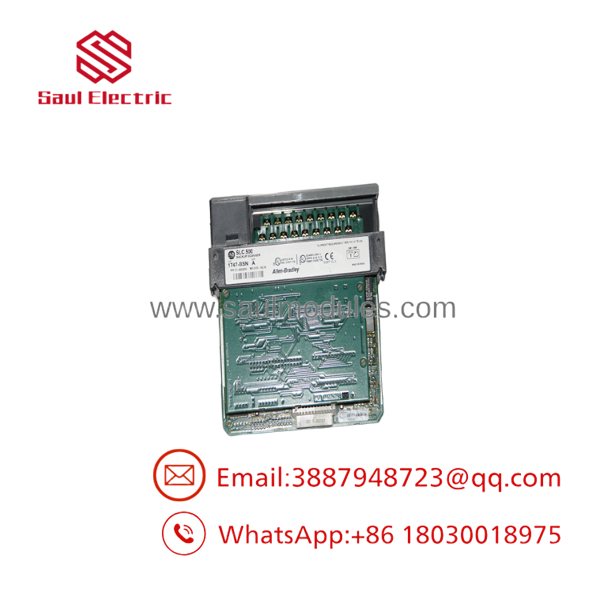
- 1747-BSN
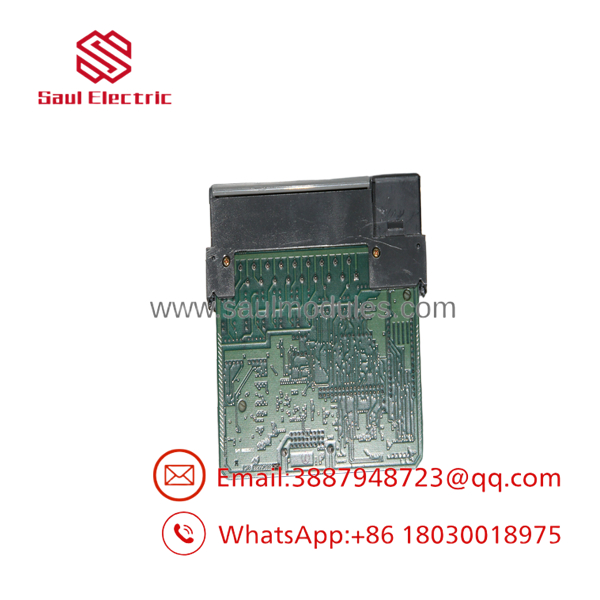
- 1747-BSN
Transparency SOP: Quality Assurance & Testing
We don’t just ship boxes; we test them on actual Allen-Bradley SLC 500 racks.
- Inbound Inspection
- Verify catalog number, hardware revision, and serial identification.
- Inspect PCB, connectors, and Phoenix terminals.
- Check for corrosion, damaged traces, and unauthorized repairs.
- Live Rig Testing
- Install paired modules in a functioning SLC 500 redundancy system.
- Verify HSSL and LSL communication.
- Confirm processor synchronization and automatic switchover.
- Electrical Parameter Checks
- Measure backplane current consumption.
- Verify communication integrity over Belden 9463 cable.
- Test Remote I/O communication.
- Firmware & Hardware Verification
- Record hardware revision.
- Verify compatibility with supported SLC 5/02 through SLC 5/05 processors.
- Final QC & Anti-static Packaging
- Complete functional redundancy testing.
- Clean connectors.
- Package in anti-static shielding with protective cushioning.
The Veteran’s Tech Trap Guide
⚠️ Don’t expect local chassis I/O to be redundant. The 1747-BSN backs up remote I/O only. Local I/O installed in the processor chassis is not transferred during switchover. Design your system accordingly.
⚠️ Use the correct communication cable. Rockwell specifies Belden 9463 for HSSL and related communication wiring. Substituting another cable may create intermittent synchronization problems that are difficult to diagnose.
❗ Processor programs must remain synchronized. Installing identical hardware is only part of the job. Both processors require matching application programs and compatible firmware revisions before redundancy can operate correctly.
⚠️ Don’t assume switchover is completely interruption-free. During transfer, remote outputs retain their previous state until the secondary processor takes control. Depending on scan time and application design, a perfectly “bumpless” transition cannot be guaranteed.
Always verify redundancy configuration, communication wiring, and processor firmware using the official Rockwell documentation before commissioning.
Frequently Asked Questions (FAQ)
Q1. What is the primary purpose of the 1747-BSN?
It provides processor redundancy for SLC 500 systems by synchronizing a primary and secondary PLC and automatically transferring control if the primary processor fails or is taken offline.
Q2. Which SLC processors are supported?
The module is compatible with SLC 5/02, SLC 5/03, SLC 5/04, and SLC 5/05 processors.
Q3. Does the 1747-BSN back up local I/O?
No. Only remote I/O is backed up. Local I/O installed in the processor chassis is not included in the redundancy mechanism. This design limitation should be considered during system architecture planning.
Q4. Can the module communicate over both DH+ and Remote I/O?
Yes. One communication channel is configurable for Remote I/O (RIO) or Data Highway Plus (DH+), while the module also uses HSSL and LSL for synchronization between redundant systems.
Q5. Can the 1747-BSN be hot-swapped?
No. Remove chassis power before installing or removing the module. Replacing communication modules while the rack is energized can interrupt the redundancy system and cause unexpected process behavior.
Q6. Are refurbished 1747-BSN modules reliable?
They can be, provided they undergo complete redundancy testing, HSSL communication verification, automatic switchover validation, and live rack testing. Functional testing is far more important than cosmetic appearance.
Q7. What warranty is typically offered?
Most reputable industrial automation suppliers provide a 12-month warranty on qualified new surplus and professionally refurbished 1747-BSN modules, covering functional defects under normal industrial operating conditions. Always confirm the warranty terms before purchase.

 Start Chat


