





Description
Product Introduction & Engineering Value
Connecting legacy modems, operator interfaces, or SCADA computers to an SLC 500 backplane often presents a protocol mismatch. The Allen-Bradley 1747-KE acts as a specialized protocol translator, enabling full RS-232 serial communication across DF1 Full-Duplex, DF1 Half-Duplex, or DH-485 networks from a single rack slot.
By offloading serial message parsing from the processor, this module allows remote programming, modem telemetry acquisition, and operator terminal interfacing without consuming CPU overhead. Engineers count on the 1747-KE to keep isolated remote terminal units (RTUs) connected across long-distance phone or radio links.
Technical Specifications
| Specification | Parameter Value |
| Communication Protocols | DF1 Full-Duplex, DF1 Half-Duplex (Master/Slave), DH-485 |
| Port 1 Interface | RS-232 / RS-423 (DH-485 connection) |
| Port 2 Interface | RS-232 / RS-422 / RS-485 (DF1 or ASCII connection) |
| Supported Baud Rates | 300, 1200, 2400, 4800, 9600, 19200 baud |
| Backplane Current (5V DC) | 150 mA |
| Backplane Current (24V DC) | 40 mA |
| Isolation | 500V DC channel-to-backplane |
| Configuration Interface | Hardware DIP switches & software setup files |
| Operating Temperature | 0°C to 60°C (32°F to 140°F) |
Field Application & The “Trench” Experience
A municipal water telemetry site lost remote monitoring when a lightning surge damaged the serial comm port on an old interface card, severing the radio modem link to the central SCADA host. Bringing a replacement 1747-KE online restored the radio polling loop in under 30 minutes. The technician matched the onboard DIP switches for DF1 Half-Duplex Slave mode at 9600 baud, connected the 9-pin serial cable to the radio modem, and verified immediate data packet ACK/NAK handshaking on the front bezel LED indicators.
- Remote Pipeline Radio Modems: Linking field SLC 500 racks over leased-line modems or licensed radio links using DF1 Half-Duplex protocol.
- Legacy HMI Integration: Connecting third-party touchscreens and panel meters using RS-232 serial interfaces directly to the SLC backplane.
- Remote Programming Gateways: Providing a dedicated, isolated dial-up port for engineering access without disrupting local DH-485 panel networks.
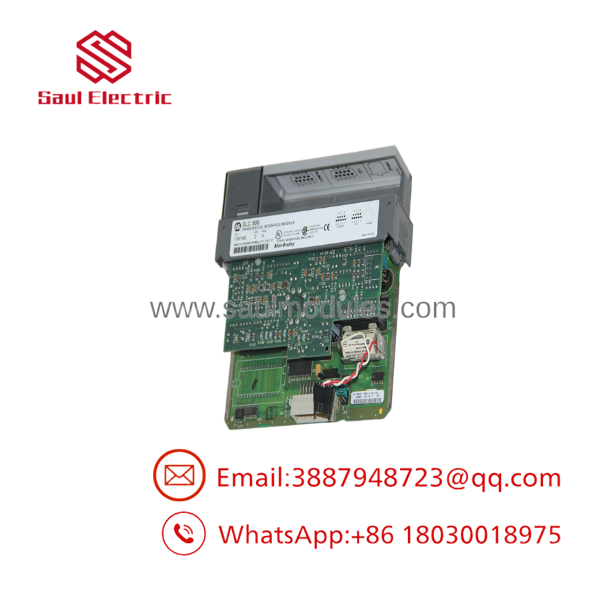
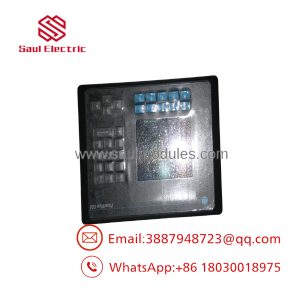
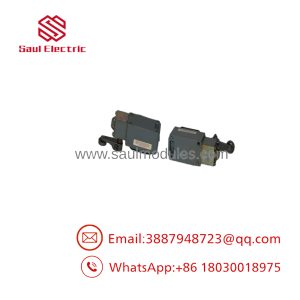
- 1747-KE
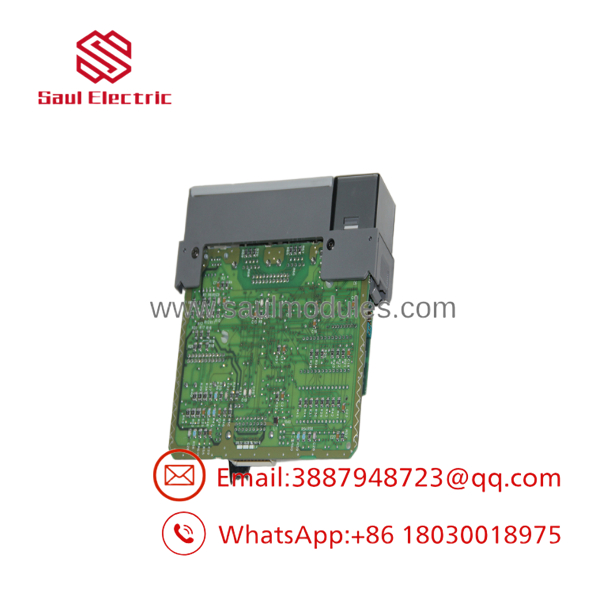
- 1747-KE
Transparency SOP: QA & Testing
- DIP Switch & Board Inspection: Auditing internal DIP switch contacts, checking solder joints on dual 9-pin serial ports, and inspecting gold backplane edge connectors.
- Serial Loopback & Protocol Verification: Testing Port 1 and Port 2 on an active SLC test rack using DF1 Full-Duplex and DH-485 diagnostic software across all baud rates from 300 to 19,200 bps.
- Through-Backplane Messaging Test: Executing active MSG read/write instruction blocks from an SLC processor through the 1747-KE to verify buffer handling and packet translation.
- Thermal Burn-In: Running continuous serial polling cycles inside an environmental test chamber for 12 hours.
The Veteran’s Tech Trap Guide
- ⚠️ DIP Switch Configuration Overrides: The 1747-KE reads initial hardware parameters (such as default baud rate and operating mode) from physical DIP switch banks on the side of the circuit board. If these switches are set incorrectly before power-up, the module will refuse to communicate on the serial port or fail to establish a DH-485 node address.
- PRO TIP: Cable Pinout Incompatibilities: Port 1 and Port 2 have distinct electrical pinouts (Port 1 is tailored for DH-485 RS-232 levels, while Port 2 handles standard DF1 RS-232/422/485). Always use original Allen-Bradley serial cables (e.g., 1747-CP3 or 1747-PIC adaptations) or strictly follow the pinout diagrams in the user manual to avoid shorting handshaking lines.
- ⚠️ DH-485 Power Requirements: When using Port 1 to tie into a 1747-AIC isolated coupler, remember that the AIC requires 24V DC power. Verify that your SLC rack power supply has sufficient 24V DC headroom to power both the module and the external network interface unit.
Dynamic FAQ
Q: What is the main difference between the 1747-KE and a standard 1747-NET-AIC converter?
A: The 1747-KE is an in-rack module that actively processes protocol conversion (DF1 to DH-485) and interfaces directly via the SLC backplane memory map. The 1747-NET-AIC is an external standalone physical layer converter that transforms RS-232 signals to RS-485 levels without backplane integration.
Q: Can I use the 1747-KE for remote PLC programming via modem?
A: Yes. The 1747-KE supports DF1 Full-Duplex and Half-Duplex protocols with modem control signals (RTS/CTS, DTR, DCD), making it ideal for remote dial-up or cellular modem access in RSLogix 500.
Q: Where can the 1747-KE module be installed in an SLC 500 chassis?
A: The 1747-KE can be installed in any available slot in a standard SLC 500 chassis except Slot 0 (which is reserved for the processor or remote adapter).
Q: Are these replacement interface cards fully tested before shipment?
A: Yes. Every 1747-KE is bench-tested on an active SLC 500 chassis using dual-port serial loopback tools and live RSLogix messaging routines to ensure 100% functional reliability.

 Start Chat


