





Description
Product Introduction
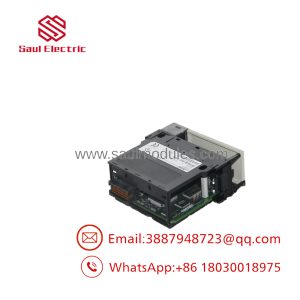
The Allen-Bradley 1747-L553 is the highest-memory member of the SLC 5/05 processor family, providing 64K words of user memory, Ethernet communication, and RS-232 connectivity for SLC 500 control systems. It was widely installed in larger machine applications, process systems, and legacy plant automation platforms requiring more program capacity than the 16K and 32K SLC 5/05 models.
In our field experience, the 1747-L553 remains valuable because many facilities still depend on SLC 500 programs that represent years of validated machine logic. The extra memory helps with larger ladder applications, extensive data tables, and communication routines. However, the platform is discontinued, so verify firmware revision, Ethernet settings, and spare availability before planning continued operation.
Key Technical Specifications
| Parameter | Value |
|---|---|
| Manufacturer | Allen-Bradley / Rockwell Automation |
| Catalog Number | 1747-L553 |
| Product Family | SLC 500 |
| Processor Type | SLC 5/05 Controller |
| User Memory | 64K words |
| Communication Ports | Ethernet + RS-232 |
| Programming Software | RSLogix 500 |
| Maximum Digital I/O | 4,096 Inputs / 4,096 Outputs |
| Maximum Analog I/O | 480 points |
| Maximum Local Chassis | 3 chassis |
| Maximum I/O Slots | 30 slots |
| Program Scan Time | Approximately 0.9 ms/Kword |
| I/O Scan Time | Approximately 0.225 ms |
| Backup Memory | Battery-backed RAM + Flash EEPROM |
| Compatible Power Supplies | 1746-P1 through 1746-P7 |
| Operating Temperature | 0°C to +60°C |
| Firmware Support | ControlFlash firmware updates available |
| Lifecycle Status | Discontinued March 31, 2024 |
Application Scenarios & The “Trench” Experience
A production line stops at 2 AM.
The SLC processor fault light is on. The spare CPU cabinet has several processors, but only one has enough memory for the existing program. The team installs a smaller 5/05 processor and immediately hits a memory error during download.
This is where knowing the exact catalog number matters.
The 1747-L553 was designed for larger SLC 500 applications where program size, data tables, and communication routines exceed smaller processor limits.
Typical applications include:
- Automotive Manufacturing – Controlling assembly stations, inspection equipment, and tooling cells where large ladder programs and Ethernet communications are required.
- Packaging Industry – Managing complex filling, labeling, and material handling systems with extensive sequencing logic.
- Water & Wastewater – Running distributed pumping and treatment systems connected through Ethernet supervisory networks.
- Chemical Processing – Handling process sequencing, analog scaling, alarming, and operator interface communication.
- OEM Machinery – Maintaining legacy equipment where replacing a proven SLC program would require expensive validation work.
Field Case
A manufacturing plant experienced a processor failure on a packaging line that had been operating for more than fifteen years. The original SLC 5/05 application contained thousands of ladder instructions, recipe data tables, and multiple communication routines.
The maintenance team installed a lower-memory replacement first. The processor powered up but rejected the application download.
The correct solution was a tested 1747-L553 with matching memory capacity. After restoring the program and verifying Ethernet communication, the line returned to production without rewriting validated control logic.
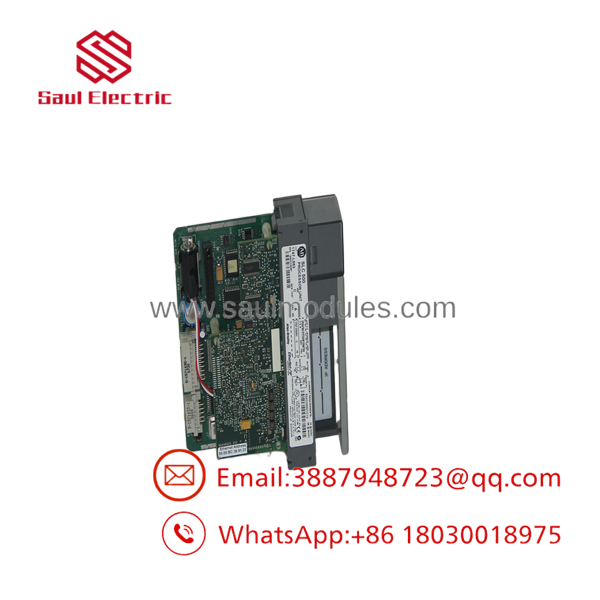
- 1747-L553
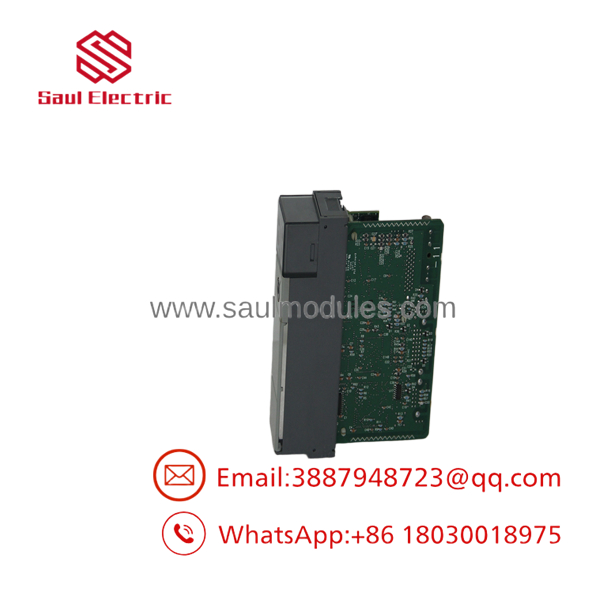
- 1747-
Transparency SOP: Quality Assurance & Testing
We don’t just ship boxes; we test them on actual Allen-Bradley SLC 500 racks.
- Inbound Inspection
- Verify catalog number, series, firmware label, and hardware revision.
- Inspect Ethernet connector, RS-232 port, key switch, and backplane pins.
- Check for corrosion, damaged boards, and unauthorized repairs.
- Live Rack Testing
- Install processor in a working SLC 500 chassis.
- Verify processor startup diagnostics.
- Download and execute a test RSLogix 500 program.
- Confirm Ethernet and RS-232 communication.
- Electrical Parameter Checks
- Measure backplane current draw.
- Verify stable processor operation during continuous scans.
- Test communication response and diagnostic functions.
- Firmware Verification
- Record exact firmware revision.
- Confirm compatibility with existing application files.
- Verify ControlFlash update capability when applicable.
- Final QC & Anti-static Packaging
- Complete final functional inspection.
- Protect connectors from ESD exposure.
- Package with anti-static materials.
The Veteran’s Tech Trap Guide
⚠️ Do not replace a 64K processor with a smaller SLC 5/05 without checking the project size. The program may open in RSLogix 500 but fail during download because memory requirements exceed the replacement CPU.
⚠️ Record the Ethernet configuration before removing the old processor. IP address, subnet settings, and communication parameters are often missing from outdated documentation.
❗ Check firmware compatibility. Two 1747- processors may have different firmware revisions. Communication behavior, Ethernet features, and instruction support can vary.
⚠️ Do not ignore the battery condition. A failed battery combined with missing EEPROM backup can result in lost application data.
Take photos before removal. CPU settings, wiring, and network information are worth more than a spare card sitting on the shelf.
Frequently Asked Questions (FAQ)
Q1. What is the Allen-Bradley 1747-?
The is an Allen-Bradley SLC 5/05 processor with 64K words of user memory, Ethernet communication, and RS-232 connectivity.
Q2. What is the difference between 1747-L551, 1747-L552, and 1747-?
The primary difference is memory capacity:
- 1747-L551: 16K memory
- 1747-L552: 32K memory
- 64K memory
All are SLC 5/05 processors with Ethernet and RS-232 communication capability.
Q3. Can the 1747- communicate over Ethernet?
Yes. The processor includes Ethernet and RS-232 communication ports for programming, monitoring, and data exchange.
Q4. Can I replace a 1747- with a newer CompactLogix controller?
Technically yes, but it is not a direct replacement. Migration requires program conversion, I/O review, communication changes, and application validation. For critical production equipment, many plants continue using tested SLC processors as an interim strategy.
Q5. Is the 1747- still manufactured?
No. Rockwell Automation discontinued the 1747- SLC 5/05 64K Controller on March 31, 2024. Available units are typically sourced through surplus inventory or refurbishment channels.
Q6. Can the 1747- be hot-swapped?
No. The processor should be removed and installed only with chassis power removed. Pulling the CPU while energized can damage the backplane or interrupt system operation.
Q7. Why buy a surplus 1747- instead of upgrading immediately?
Because many SLC 500 systems still run stable production equipment. A tested replacement processor can restore operation quickly without changing validated ladder logic, wiring, operator interfaces, or field devices.
Q8. What warranty is typically offered?
Qualified industrial automation suppliers commonly provide a 12-month warranty on tested new surplus and refurbished 1747- processors. Always verify testing procedures and warranty terms before purchase.

 Start Chat


