





Description
Product Introduction
The Allen-Bradley 1756-L73 is an 8 megabyte PAC processor belonging to the ControlLogix 5570 family. Designed for mid-to-large scale industrial applications, this module handles discrete task execution, multi-axis motion, and heavy process loops within standard 1756 chassis backplanes. It interfaces via Ethernet/IP, ControlNet, or DeviceNet using dedicated bridge modules.
Unlike lower-tier processors in the 5570 family, the 1756-L73 provides sufficient user memory to run concurrent task routines without suffering execution lag during heavy routine interrupts. The unit eliminates legacy lithium batteries by utilizing an internal capacitor-based energy storage module (1756-ESMCAP) to back up volatile memory during power drops, reducing annual preventive maintenance tasks on the plant floor.
Key Technical Specifications
| Parameter | Value / Specification |
| User Memory | 8 MB |
| I/O Memory | 0.98 MB |
| Backplane Current (1.2V DC) | 5 mA |
| Backplane Current (5.1V DC) | 800 mA |
| Power Dissipation | 2.5 W |
| Thermal Dissipation | 8.5 BTU/hr |
| Communication Ports | USB 2.0 (Full Speed, 12 Mbps) |
| Energy Storage Module | 1756-ESMCAP (Capacitor-based, Removable) |
| Supported Languages | Relay Ladder, Structured Text, Function Block, SFC |
| Max Controller Tasks | 32 Tasks (100 Programs per task) |
| Weight | 0.35 kg (0.78 lbs) |
Application Scenarios & The “Trench” Experience
It is 2:15 AM on a Sunday. The main mixing line trips out. A power surge knocked out the CPU on a legacy rack, and the controller red-lights with a solid OK LED. The display is completely blank. The line is losing thousands of dollars every fifteen minutes it stays down. Getting a fresh 1756-L73 off the shelf, burning the correct firmware version, and dumping the project backup is the only way to get the conveyors rolling before the morning shift arrives.
Target Application Scenarios
- Automotive Stamping & Assembly: Runs multi-axis integrated motion over EtherNet/IP with microsecond synchronization demands.
- Oil & Gas Processing Lines: Handles high I/O counts and continuous PID loop calculations across distributed field racks.
- Water & Wastewater Treatment: Controls pump sequencing, flow throttling, and remote telemetry logging.
- Food & Beverage Packaging: Manages high-speed indexing, filling heads, and downstream cartooning lines.
Field Case Study
A pharmaceutical packaging facility experienced an unexpected ESD strike on an ungrounded rack chassis, frying the processor board of their primary 1756-L73 unit. The OEM lead time was quoted at 14 weeks due to product lifecycle transitions. We dispatched a bench-tested new-surplus 1756-L73 overnight. The maintenance crew matched the revision, loaded the Studio 5000 project via the front USB port, and had the validation batch running again within 18 hours of the initial fault.
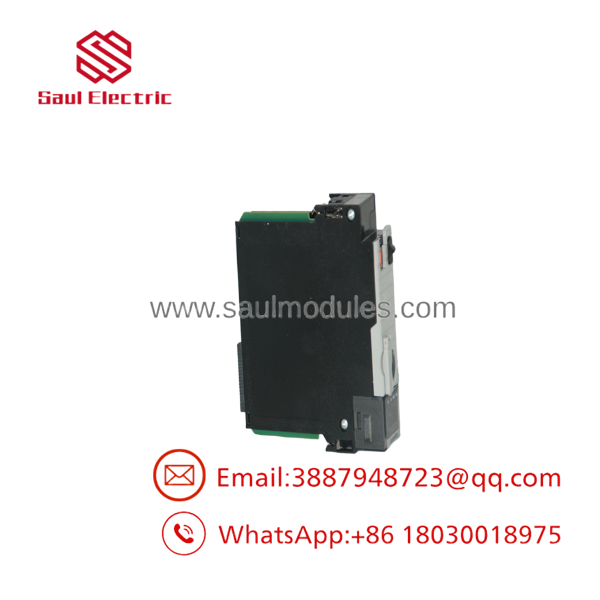
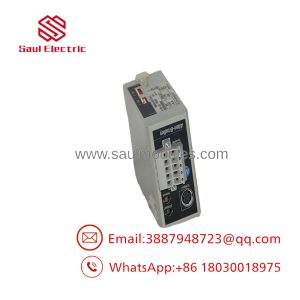
- 1756-L73
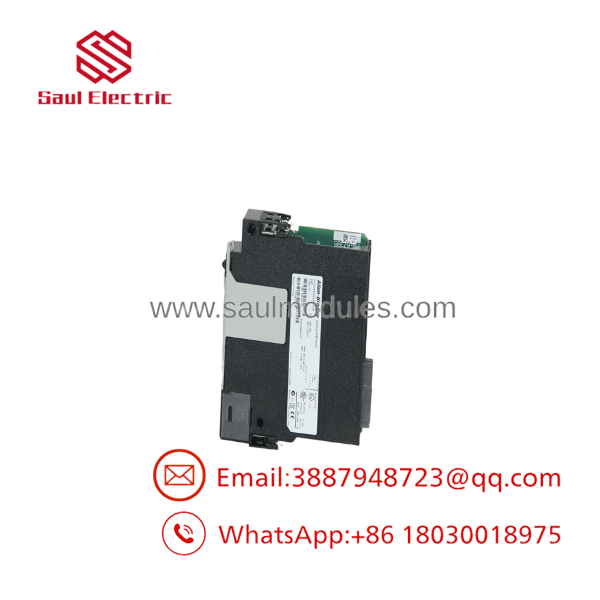
- 1756-L73
Transparency SOP: Quality Assurance & Testing
We don’t just ship boxes; we test them on actual Allen-Bradley racks. Every 1756-L73 unit moving through our facility undergoes a strict 5-step verification process:
- Inbound Inspection: Physical audit checking for board discoloration, bent backplane pins, cracked faceplates, and anti-counterfeit label checks.
- Live Rig Testing: Insertion into a live 1756-A7 chassis. We power up, verify the scrolling diagnostic display, and check status LEDs for boot errors.
- Communication Handshake: Establishing connection via the front USB port using Studio 5000 / RSLinx to confirm channel stability and processor detection.
- Firmware Logging: Clearing legacy project data, restoring factory defaults, and logging the exact base firmware revision on the test sheet.
- Final QC & ESD Packaging: Removing the unit under ESD-safe bench protocols and sealing it inside anti-static shielding bags with fresh desiccant.
The Veteran’s Tech Trap Guide (Crucial Value-Add)
⚠️ Firmware Version Lockouts: Do not attempt to flash a 1756-L73 directly to v33 or higher without checking your Studio 5000 license compatibility first. Matches between controller major revisions and project file revisions are strict. Match them before going to the cabinet.
❗ The ESM Capacitor Trap: If the
OKlight flashes red immediately after powering off, your 1756-ESMCAP module is dead or unseated. The capacitor stores power to flush RAM to onboard non-volatile memory during power loss. If that module fails, you lose your un-saved tag values on power cycle.
⚠️ Key Switch Position: Leave the physical key switch in
REM(Remote) mode if you intend to download or modify code over Ethernet via a 1756-EN2T card. If the operator left the key physically set toRUN, you will be locked out from downloading changes from your laptop.
Frequently Asked Questions (FAQ for Conversion)
Q: Is the 1756-L73 hot-swappable in a live ControlLogix chassis?
A: Yes. The 1756-L73 supports RIUP (Removal and Insertion Under Power). However, pulling a live processor halts all logic execution instantly. Field outputs will go to their configured fault states. Only pull it live if the process is already safely halted.
Q: Why buy a New Surplus 1756-L73 instead of upgrading to ControlLogix 5580 (like the 1756-L83E)?
A: Upgrading to 5580 requires converting your project file, upgrading Studio 5000 software versions, and potentially replacing legacy I/O or network cards that aren’t supported by the L8 series. Replacing a dead unit with an identical 1756-L73 lets you swap hardware and download the existing project file without re-engineering the system.
Q: Does this unit require a lithium battery?
A: No. The ControlLogix 5570 family (L7x processors) uses the 1756-ESMCAP energy storage capacitor module instead of the old 1756-BA2 lithium batteries used on L6x models. You will never need to change a battery on this processor.
Q: Can I flash this processor to any firmware version?
A: The 1756-L73 supports firmware major revisions from v20 up through v33+. Make sure you use ControlFLASH or ControlFLASH Plus over USB or Ethernet to flash the exact revision required by your Studio 5000 project.
Q: What warranty comes with this module?
A: We back all New Surplus and Refurbished 1756-L73 processors with a full 12-month operational warranty. If it faults or fails under normal operating conditions within a year, we replace it or issue a full refund.

 Start Chat


