





Description
Product Introduction & Engineering Value
Unexpected controller failures rarely happen at a convenient time. The Allen-Bradley 1757-SRMB was developed for installations where production downtime carries significant financial consequences. By managing synchronization between redundant processors, it allows automatic switchover while maintaining process continuity.
The module is commonly deployed in continuous-process applications where maintenance windows are limited. When installed with compatible hardware and matching firmware, it contributes to higher system availability without requiring extensive application redesign.
Technical Specifications
| Specification | Description |
|---|---|
| Manufacturer | Allen-Bradley (Rockwell Automation) |
| Model Number | 1757-SRMB |
| Product Type | System Redundancy Module |
| Series | 1757 ProcessLogix |
| Installation | Chassis-mounted |
| Primary Function | Controller redundancy management |
| Communication | High-speed synchronization with paired redundancy hardware |
| System Compatibility | ProcessLogix redundant architectures |
| Operating Environment | Industrial control cabinet installation |
| Firmware Requirement | Must match compatible controller firmware |
| Maintenance | Hot replacement depends on system architecture and redundancy configuration |
Field Application & “The Trench” Experience
A refinery modernization project experienced repeated production interruptions whenever the primary controller required maintenance. Engineers implemented a redundant controller architecture using paired controllers and 1757-SRMB modules. After extensive synchronization testing, scheduled maintenance could be completed without shutting down the catalytic cracking process. The biggest lesson was not hardware installation—it was ensuring firmware revisions and redundancy databases were perfectly matched before commissioning.
Typical deployment examples include:
- Catalytic Cracking Unit temperature and pressure control
- Continuous polymer reactor control with high availability requirements
- Utility boiler management systems requiring redundant process controllers
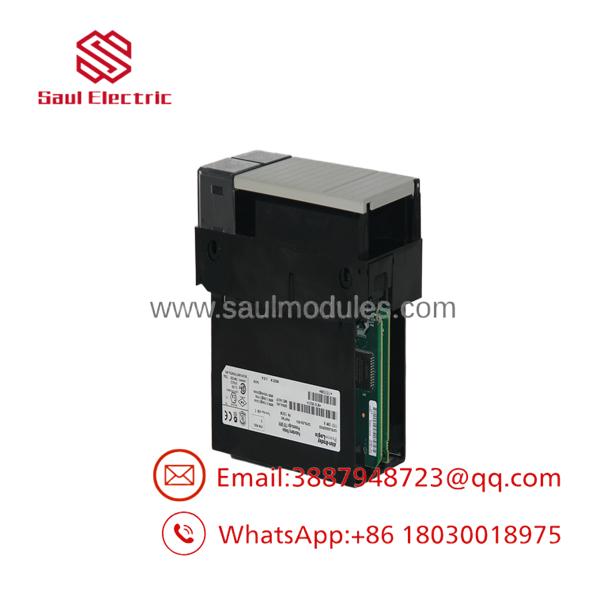
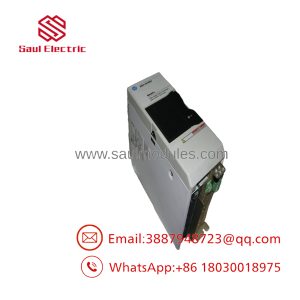
- 1757-SRMB
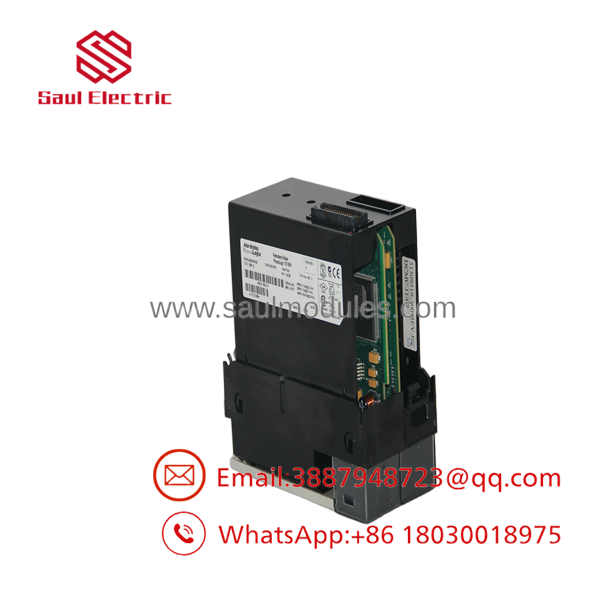
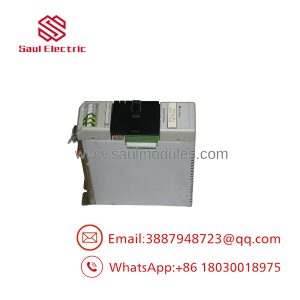
- 1757-SRMB
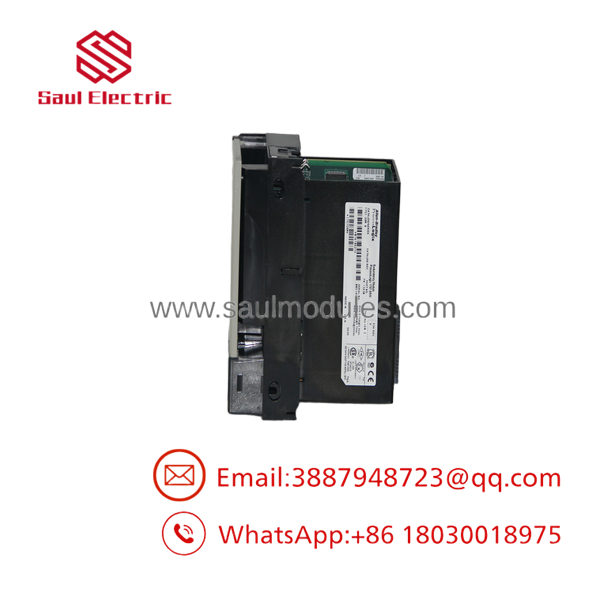
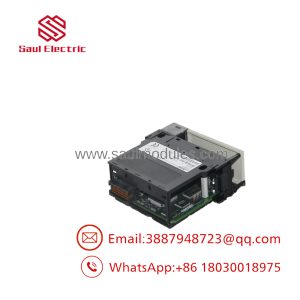
- 1757-SRMB
Transparency SOP: QA & Testing
Before shipment, every New Surplus or professionally refurbished unit follows documented inspection procedures.
- Verify catalog number, revision label, and physical condition.
- Inspect connectors, PCB surfaces, and chassis interface for damage or contamination.
- Confirm no bent pins or mechanical defects.
- Power-on verification using compatible ProcessLogix hardware when applicable.
- Validate module recognition and redundancy communication.
- Record serial number and inspection results before packaging with ESD protection.
The Veteran’s Tech Trap Guide
⚠️ Firmware mismatch is the number one cause of commissioning delays. Even minor revision differences between redundant components can prevent successful synchronization.
⚠️ Never assume redundancy settings are automatically transferred. Configuration databases, redundancy parameters, and controller projects should always be verified after replacement.
PRO TIP: Replace redundancy hardware during a controlled maintenance window whenever possible. Although redundant architectures are designed for high availability, improper replacement procedures can unexpectedly force the standby controller offline.
Dynamic FAQ
Q1. Is the 1757-SRMB compatible with standard ControlLogix redundancy systems?
The module is intended for specific 1757 ProcessLogix redundant architectures. Compatibility should always be verified against the complete system configuration and firmware revisions.
Q2. Can this module be replaced without shutting down the plant?
That depends on the redundancy architecture, controller state, and maintenance procedures. Plants with properly configured redundant systems may perform replacement with minimal process interruption, but site procedures should always be followed.
Q3. Why is firmware compatibility so important?
The redundancy system depends on synchronized operation between paired hardware. Firmware inconsistencies may prevent synchronization or automatic failover.
Q4. Is New Surplus equipment genuinely unused?
Yes. A New Surplus module has not been placed into industrial service. It may originate from excess inventory or discontinued project stock and is inspected before shipment.
Q5. Does the module require periodic maintenance?
The module itself requires very little routine maintenance. During scheduled shutdowns, engineers should inspect connectors, verify chassis seating, review diagnostic logs, and confirm redundancy status.
Q6. Is warranty coverage available?
Most industrial automation suppliers provide warranty options for both New Surplus and refurbished inventory. Coverage terms vary by supplier, so warranty duration and testing documentation should be confirmed before purchase.

 Start Chat


