





Description
Product Introduction & Engineering Value
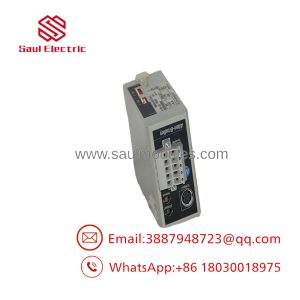
Communication distance is often the limiting factor when expanding a ControlNet system across large industrial facilities. The Allen-Bradley 1786-RPFM solves this challenge by converting and repeating ControlNet traffic across fiber optic media, helping reduce the effects of electrical noise and long cable runs.
Designed for demanding automation environments, the module integrates with the 1786 repeater family and is commonly deployed in manufacturing plants, utilities, and process industries where reliable ControlNet communication is essential between remote control cabinets.
Technical Specifications
| Parameter | Specification |
|---|---|
| Manufacturer | Allen-Bradley / Rockwell Automation |
| Model Number | 1786-RPFM |
| Product Type | Fiber Repeater Module |
| Network | ControlNet |
| Communication Medium | Fiber Optic |
| Function | Network Signal Repeater |
| Installation | Industrial Control Cabinet |
| Compatibility | ControlNet 1786 Repeater Family |
| Application | Long-Distance Industrial Networking |
| Typical Use | PLC, Remote I/O, Distributed Control Systems |
Note: Some fiber connector types, supported distances, and optical characteristics may vary depending on the installed fiber configuration and associated repeater modules.
Field Application & The “Trench” Experience
A packaging facility experienced intermittent ControlNet communication faults every time several high-power motors started simultaneously. Initial troubleshooting focused on PLC hardware, but diagnostics eventually pointed to electrical interference affecting long copper network segments.
During the upgrade, engineers replaced the affected section with fiber using the 1786-RPFM repeater module. After commissioning, network errors disappeared, scheduled production resumed, and the maintenance team observed stable communication even during peak motor loading.
Typical deployment scenarios include:
- Catalytic cracking unit remote ControlNet backbone extensions
- Steel rolling mill control cabinets separated by high-EMI production equipment
- Water treatment facilities connecting remote pump stations over long fiber routes
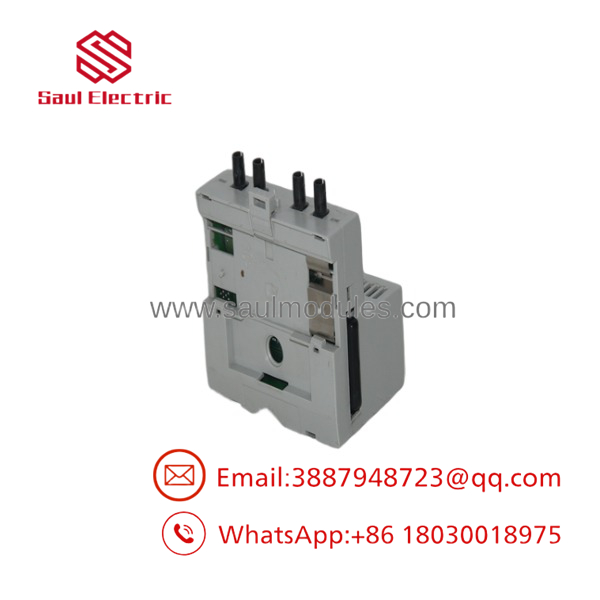
1786-RPFM
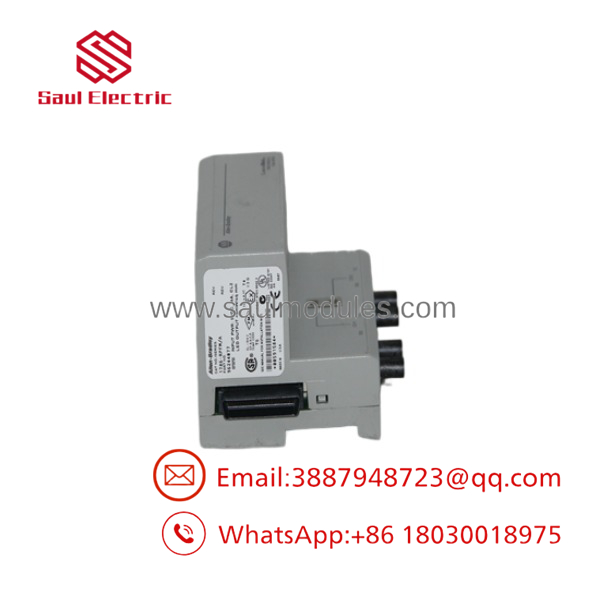
1786-RPFM
Transparency SOP: QA & Testing
Before shipment, every available module follows a documented inspection process.
- Visual inspection for housing damage, connector integrity, and label verification.
- Part number confirmation against manufacturer documentation.
- Optical interface inspection and connector cleaning.
- Power-on verification using compatible ControlNet test equipment (where applicable).
- Final packaging using ESD-safe materials and protective cushioning.
- Serial number recording for inventory traceability.
For refurbished inventory, additional functional verification and cleaning are completed before release.
The Veteran’s Tech Trap Guide
⚠️ Verify Fiber Compatibility
Not every ControlNet fiber installation uses the same optical components. Confirm the connector style and fiber type before ordering replacement hardware.
⚠️ Inspect the Entire Fiber Path
Replacing the repeater alone will not solve communication issues caused by contaminated fiber connectors or damaged patch cables. Always inspect and clean optical interfaces before commissioning.
PRO TIP: After installation, verify ControlNet network health using approved diagnostic software rather than assuming communication is healthy simply because network indicators are illuminated.
Dynamic FAQ
Q1. What is the primary purpose of the 1786-RPFM?
It extends ControlNet communication over fiber optic media, allowing greater transmission distances while improving resistance to electrical interference.
Q2. Is the 1786-RPFM compatible with all ControlNet installations?
It is designed for ControlNet architectures using compatible 1786 repeater hardware. Always verify system revision, network design, and optical media compatibility before installation.
Q3. Can this module be used for new installations as well as replacements?
Yes. It is suitable for both expanding existing ControlNet networks and replacing failed repeater modules during maintenance projects.
Q4. Is New Surplus inventory genuine?
Reputable New Surplus inventory consists of unused original manufacturer hardware that has remained in inventory or distribution channels. Packaging condition may vary depending on storage history, but the hardware itself has not been placed into service.
Q5. Does replacing this module require ControlNet reconfiguration?
Generally, replacing an identical module does not require significant network redesign. However, communication should always be validated after replacement to confirm proper network operation.
Q6. Is warranty coverage available?
Warranty terms depend on the inventory condition (New Surplus or Refurbished) and the supplier’s policy. Confirm warranty duration and return procedures before purchase, especially for critical spare parts intended for production systems.

 Start Chat


