





Description
Product Introduction & Engineering Value
The 1794-ADN is the FLEX I/O DeviceNet adapter used when distributed I/O has to sit close to the process and still talk cleanly to the controller. It is a straightforward way to bridge a FLEX I/O station into a DeviceNet architecture without changing the rest of the rack hardware.
For retrofit work, this module matters because it preserves legacy DeviceNet networks already embedded in machine and plant infrastructure. It supports the usual DIN rail or panel mounting approach, and it is a common replacement item when a running line depends on a known FLEX I/O node.
Technical Specifications
| Parameter | Value |
|---|---|
| Catalog number | 1794-ADN |
| Product family | FLEX I/O |
| Protocol | DeviceNet |
| Communication rates | 125 kbps, 250 kbps, 500 kbps |
| Nominal input voltage | 24 V DC |
| Input voltage range | 19.2 to 31.2 V DC |
| Current draw | 400 mA max, about 300 mA at 24 V DC |
| DeviceNet power requirement | 24 V DC, 90 mA |
| Flexbus output current | 640 mA max at 5 V DC |
| I/O capacity | 8 modules |
| Operating temperature | 0 to 55 °C |
| Mounting | DIN rail or panel |
| Enclosure | Open type / IP20 |
Field Application & Trench Experience
A packaging line went down after a long-running FLEX I/O node stopped answering the DeviceNet scanner. The controls tech swapped in a known-good 1794-ADN, but the line still would not recover until the baud rate and node settings were matched to the original network segment. Once that was corrected, the rack came back immediately, and the plant avoided a longer PLC-side changeout.
Typical niche uses include batch skid remote I/O, pump house discrete and analog I/O islands, and machine-builder retrofit panels where DeviceNet is still the installed standard.
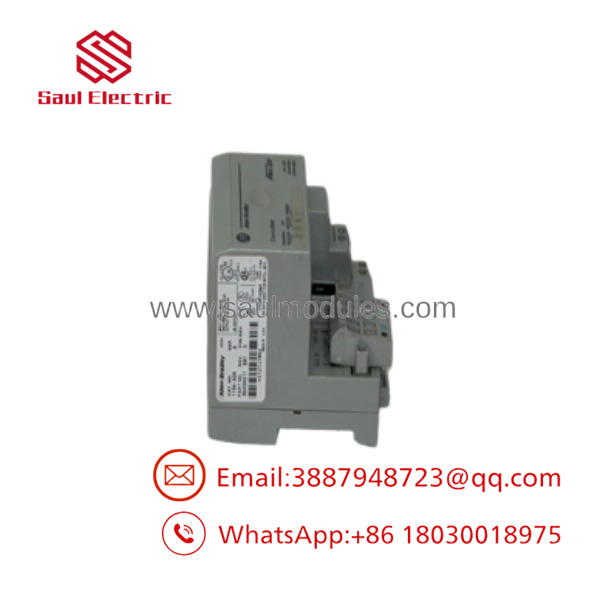
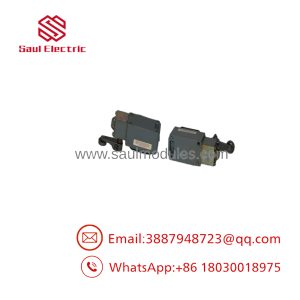
1794-ADN
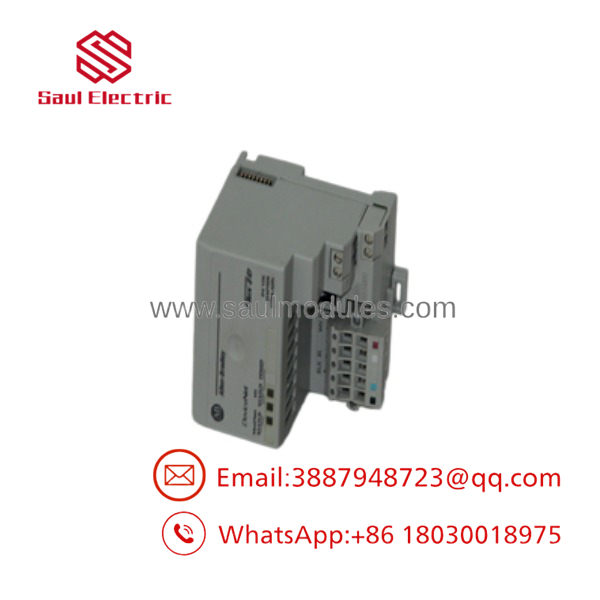
1794-ADN
Transparency SOP: QA & Testing
- Visual inspection for cracked housings, loose terminals, corrosion, and heat damage.
- Bench power-up test to confirm status LED behavior and current draw.
- DeviceNet communication verification on a test network at the expected baud rate.
- Load check against a FLEX I/O rack to confirm the adapter accepts the intended module mix.
- Final burn-in or extended soak where customer requirements call for it.
Veteran’s Tech Trap Guide
⚠️ Don’t confuse power for the adapter with power for the network. The 1794-ADN has both a 24 V DC supply requirement and a separate DeviceNet power requirement, and people miss that constantly.
⚠️ Check the baud rate before you blame the module. If the scanner and adapter do not agree on 125/250/500 kbps, you will waste time chasing a non-failure.
PRO TIP: Verify the rack’s Flexbus load before installing a new module mix. The adapter can source up to 640 mA at 5 V DC, but a heavy I/O combination can still push the rack into trouble.
Dynamic FAQ
Q1: Is the 1794-ADN a direct replacement for my existing FLEX I/O DeviceNet adapter?
A: Yes, if the part number, mounting style, network settings, and I/O rack requirements match.
Q2: What communication speeds does it support?
A: 125 kbps, 250 kbps, and 500 kbps.
Q3: How many FLEX I/O modules can it support?
A: Up to 8 modules per adapter.
Q4: What should I verify before ordering a replacement?
A: Network baud rate, supply voltage, node configuration, and the exact revision or series requirement for your installation.
Q5: Is this available as new surplus or refurbished stock?
A: It can be offered either way depending on the seller. New surplus means unused OEM inventory, while refurbished means it has been tested and restored for reuse.
Q6: Do you provide warranty on 1794-ADN units?
A: Warranty depends on the stock source, but reputable industrial suppliers usually back both new surplus and refurbished units with coverage.

 Start Chat


