





Description
Introduction & Engineering Value
Let’s be honest — serial SIMATIC integrations fail quietly. The PC side bogs down, polling loops stutter, and your HMI starts dropping tags under load. The PCI1500S7 fixes that by putting the protocol stack on its own coprocessor instead of begging the host CPU for cycles.
Because it speaks S7 natively over MPI, Profibus DP, and Industrial Ethernet, this board slots into legacy SCADA, data collection, and test-bench systems without rewriting your application layer. For plants still running S7-300 and S7-400 fleets, it remains one of the cleanest PC-side bridges available.
Technical Specifications
- Form Factor: 32-bit PCI (5V, universal-keying versions vary by revision)
- Bus Interface: PCI slave with onboard dual-port RAM for host exchange
- Coprocessor: Dedicated onboard processor handles protocol execution independent of host CPU load
- Supported Protocols: Siemens S7 (MPI / PPI), Profibus DP (master & slave), Industrial Ethernet (S7 over Ethernet / ISO-on-TCP depending on driver suite)
- Connection Ports: Integrated port(s) for MPI/Profibus (RS-485 based) plus RJ45 for Ethernet variants in the family
- Operating Systems: Windows NT/2000/XP-era driver support; driver suite = Applicom Manager + OPC server / DLL API
- Data Exchange: Dual-ported shared memory; variable array transfer between host application and board
- Configuration: Vendor software suite for protocol, station, and cyclic data mapping
- Power: Draws from PCI slot supply; no external power required
- Environmental: Standard commercial PC operating range — intended for industrial cabinet-mounted IPCs, not bare desktop duty
⚠️ Driver availability is the real spec that matters. Confirm your OS target before ordering — the card is only as good as the driver stack behind it.
Field Application & The “Trench” Experience
A packaging plant in the Midwest ran a 2003-era data collection PC pulling cycle counts off twelve S7-300s over MPI. The original board died mid-shift on a Friday. Production reporting wasn’t critical-path, but OEE tracking was — and Monday’s audit was.
The integrator on call had a PCI1500S7 on the shelf. Dropped it into the spare slot, restored the saved Applicom Manager configuration from a USB stick (this is why you back up configs, people), and the board came up polling all twelve stations in under an hour. The plant manager’s quote: “That’s the first Friday fix that didn’t turn into a Saturday.”
Niche application scenarios:
- CIP skid sequencing — bridging a local SCADA PC to S7-400H controllers in a clean-in-place system where cyclic block transfers must not compete with recipe handling on the host.
- Winder/tension stand data logging — high-frequency Profibus DP polling of drive parameters feeding an archiver, offloaded so the historian never starves the HMI.
- Engine test bench integration — a legacy dyno cell pulling torque and RPM snapshots from S7 PLCs where the test executive simply expects the old Applicom DLL interface to keep working.
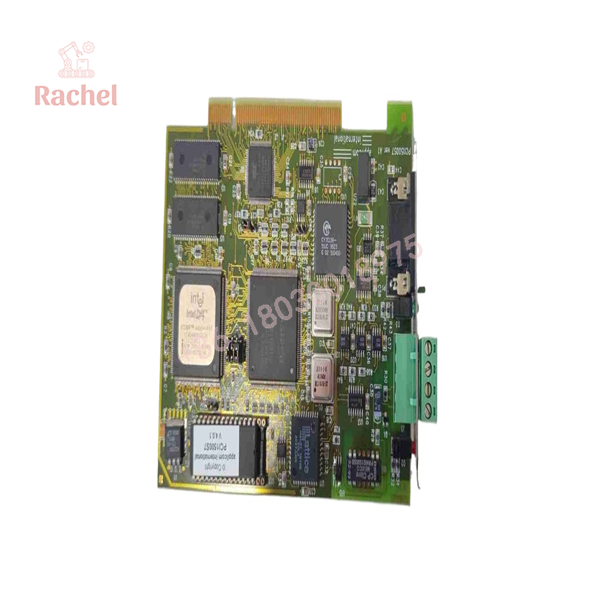
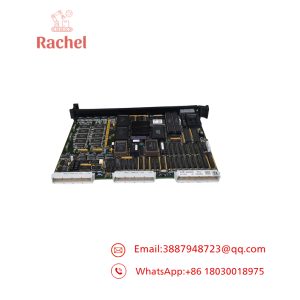
PCI1500S7
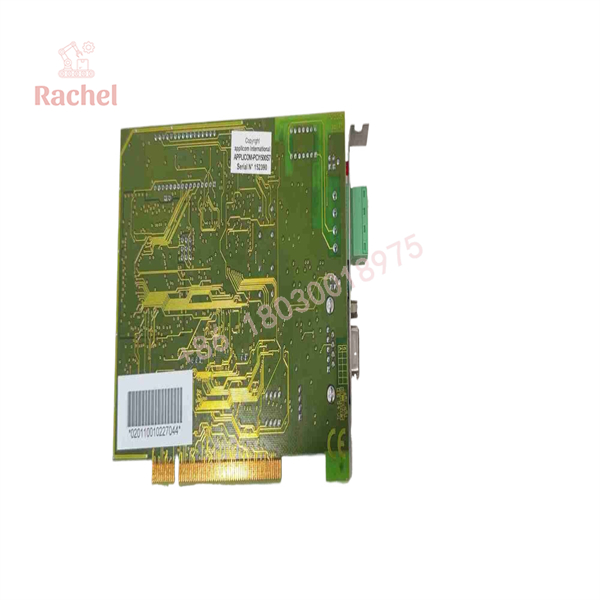
PCI1500S7
QA & Testing — How We Verify This Board
Every PCI1500S7 that passes through our warehouse follows the same sequence, no exceptions:
Incoming inspection → Bench test → Real protocol exchange → Load soak → ESD-safe packing.
Concretely: the card gets a visual pass under magnification (connector wear, capacitor condition, board revision check), then goes into a reference industrial PC where we confirm enumeration over the PCI bus. From there we run a live driver initialization, execute an actual read/write exchange against a live S7 simulator rack, and hold a sustained polling cycle for two hours to catch thermal or DMA-related faults. Cards that glitch once during soak don’t ship. Period. Each unit ships with our inspection record so your maintenance file has paper behind it.
The Veteran’s Tech Trap Guide
⚠️ Trap #1 — Driver stack mismatch. The card is useless without the correct Applicom driver suite for your OS. A board pulled from an NT4 machine will not magically run under XP SP3 with the old driver CD. Match driver version to OS before you swap hardware, or you’ll spend a night chasing “device cannot start” errors that have nothing to do with the board.
PRO TIP: PCI interrupt sharing kills these cards intermittently. If the board works alone but drops comms when a second PCI device enters the picture, move it to a different slot and force a manual IRQ in the BIOS. Legacy PCs let you do that. Modern ones don’t — which is exactly why these boards live in old IPCs.
⚠️ Trap #2 — Forgetting the goldfish memory of the host. Back up your Applicom Manager configuration (stations, protocol mappings, cyclic arrays) the day the system is commissioned. When the board dies in year six, the hardware swap is ten minutes. Recreating the mapping from scratch from a faded printout is two days.
PRO TIP: Seat it in an ESD-safe workflow. The RS-485 traces near the connector are surprisingly ESD-sensitive. Handle the bare card by the bracket, ground your wrist strap, and never plug it into a powered chassis — hot-plugging PCI is how working boards become inventory.
FAQ
Q1: Will the PCI1500S7 communicate with an S7-1200 or S7-1500, or is it S7-300/400 only?
It was engineered for the S7-300/400 generation over MPI and Profibus, plus S7 over Industrial Ethernet. TIA-portal-era CPUs use different communication behavior (PROFINET, optimized block access), so we treat newer CPU compatibility as unverified. If you’re connecting S7-1200/1500 hardware, call us first and we’ll tell you straight whether this is the right board.
Q2: What operating systems are supported?
The driver suite shipped through the Windows NT/2000/XP era, with some later revisions extending support. If you’re running an industrial PC on a legacy OS for exactly this reason, you’re our customer. If you’re planning a modern Windows 10/11 deployment, this board is the wrong tool — ask us about current-generation HMS/Anybus alternatives.
Q3: Can this card act as a Profibus DP master, or only as a slave?
Depending on driver package and configuration, the board supports Profibus DP master and slave operation. For master duty, verify your driver license and configuration tooling, since master configuration requires defining the DP network from the PC side.
Q4: Is your stock genuine APPLICOM, and how do I know?
Yes. We source through audited surplus and OEM channels, and every card is inspected for correct board markings, revision levels, and vendor components. Serial and revision data are recorded in the QA document that ships with the unit — you get the paper trail, not just our word.
Q5: What condition is the stock in?
Units are offered as New Surplus (original OEM stock, unused, shelf-aged) or Refurbished (functionally restored and fully bench-tested). Condition is stated on the listing before you buy. Both paths go through the same protocol-exchange and load-soak testing described above.
Q6: What warranty comes with the card?
A 12-month replacement warranty covering functional failure under normal service. If the board fails within warranty, we cross-ship a replacement from tested stock so your line waits minutes, not weeks. Extended warranty terms are available for critical-spares programs — ask procurement to request a quote.

 Start Chat


