





Description
Product Overview
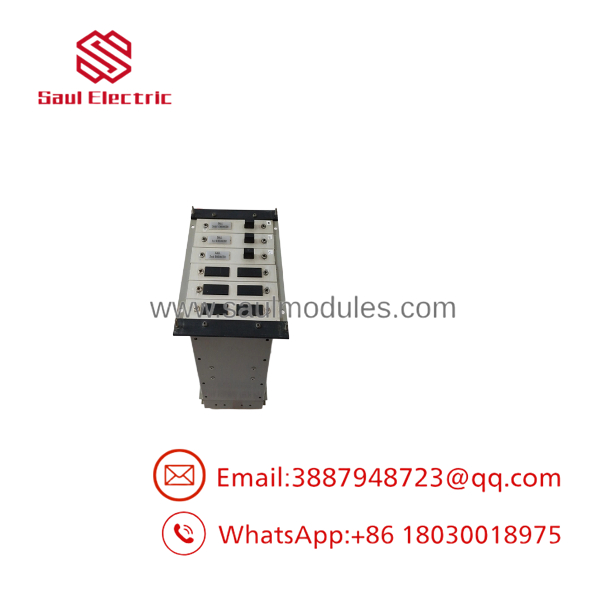
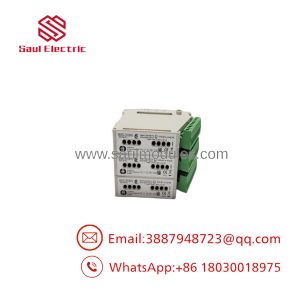
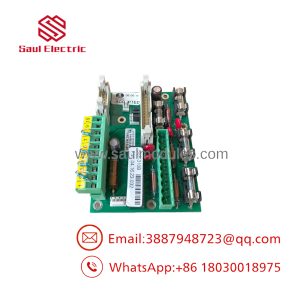
The Autronica KRT-1 is an analog relay trigger card deployed within legacy Autronica engine room monitoring and safety alarm cabinets (commonly found in KD, KM, and KR series alarm installations).
Built into standard card-cage racks inside the Engine Control Room (ECR), the KRT-1 acts as a switching and signal-evaluation interface. It converts input trip signals from field sensors (such as pressure, level, or temperature switches) into clean relay output states. These outputs drive central visual alarms, localized warning lamps, and main engine safety trip loops.
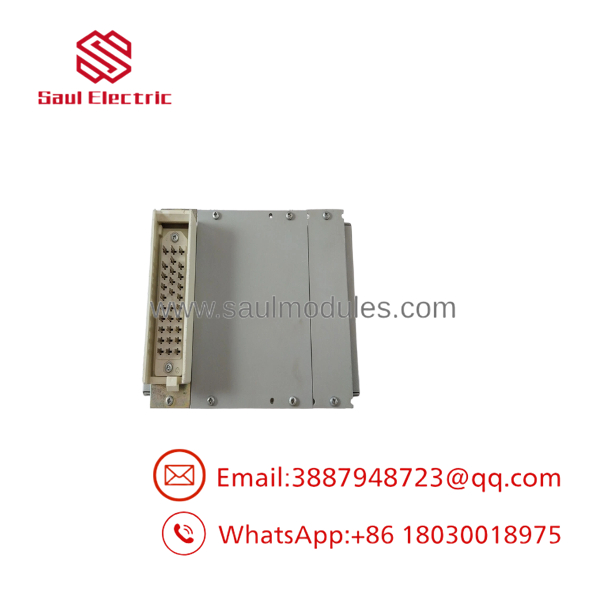
Featuring front-facing test/reset switches, LED indicator lamps, and a gold-plated rear card-edge connector, the KRT-1 allows marine engineers to perform direct card swaps during troubleshooting without rewiring entire terminal panels.
Technical Specifications
| Parameter | Specification |
| Manufacturer | Autronica / Kongsberg Maritime |
| Model / Part Designation | KRT-1 |
| Primary Function | Relay Trip / Switching & Signal Logic Board |
| Operating Voltage | 24 VDC (Powered via central rack backplane) |
| Interface Type | Integrated PCB edge connector (Slide-in Eurocard format) |
| User Controls | Front-panel push switch (Acknowledge / Test / Reset) |
| Status Display | Front-mounted LED indicators for channel alarm state |
| Enclosure / Coating | Open PCB with marine-grade protective conformal coating |
| Operating Temperature | -15°C to +70°C (Engine room ambient standard) |
Common Applications & Practical Field Experience
Typical Marine Operating Scenario
During routine operations in Unattended Machinery Space (UMS) mode, a local pressure switch on a lube oil supply line detects a momentary drop below setpoint. The signal feeds directly into the KRT-1 card in the main alarm rack.
The onboard logic processes the trip input, latches the alarm state, lights the front LED indicator, and immediately energizes the output relay to trigger the main ECR alarm horn. Once the pressure normalizes, the chief engineer presses the front push switch on the KRT-1 card to reset the latched relay state and clear the panel line.
Key Applications
- Central Machinery Alarm Cabinets: Channel switching and alarm latching in legacy Autronica monitoring racks.
- Safety Trip Logic Loops: Interfacing auxiliary diesel generator and main engine shutdown sensors.
- Drop-in Vessel Repairs: direct board-level replacement on older vessels to pass class inspections (DNV, ABS, ClassNK) without full system retrofits.
KRT-1
KRT-1
Veteran Troubleshooting & Installation Guidance
⚠️ Verify Board Edge Pin Cleanliness Before Insertion
Engine room atmosphere naturally accumulates fine oil mist over years of continuous operation. Before sliding a replacement board into the card rack, thoroughly clean the gold-plated edge connector with isopropyl alcohol and spray contact cleaner into the female rack slot. Oxidation or oil films on edge pins are the #1 cause of intermittent false alarms.
❗ Power Down the Specific Rack Section Before Swapping
Even though cards appear simple to slide out, live hot-swapping can produce tiny voltage spikes across adjacent pins during removal. Always isolate power to the individual rack slot or frame section to prevent blowing adjacent sensor power rails.
⚠️ Inspect Onboard Electrolytic Capacitors on Older Cards
Because boards have been in service for decades, original capacitors on legacy boards can dry out due to long-term exposure to heat inside closed control cabinets. Ensure replacement or surplus units have undergone bench testing under full 24V load to confirm logic stability.
Frequently Asked Questions (FAQ)
Q: Is the Autronica card still manufactured as new?
A: No, the series is a legacy board no longer in active OEM production. Marine supply stock consists of tested original surplus, reconditioned, or fully bench-inspected vessel spares.
Q: Can I repair a damaged board on board the ship?
A: Since the uses standard through-hole discrete components (diodes, transistors, logic ICs, and relays), skilled electronics technicians can replace burnt diodes or faulty ICs. However, having a fully tested replacement card on hand is recommended for fast emergency restoration.
Q: Does this card require software configuration or programming?
A: No. The is a hardwired, pure hardware-logic board. There is no firmware or microprocessor programming required—it functions on direct electrical logic circuit paths upon insertion into the rack.

 Start Chat


