





Description
Product Introduction
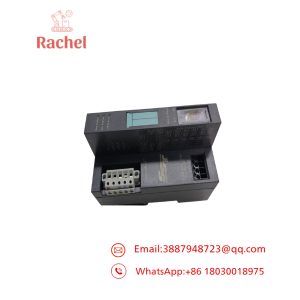
The Bachmann CPC210 is a power supply module from Bachmann electronic GmbH — the Austrian automation specialist whose controllers dominate wind turbine, marine, and energy-sector applications. The CP-series supplies feed the rack: they take wide-range AC mains input and deliver regulated DC power to the CPU, I/O, and communication modules sitting on the backplane. If you’re running a Bachmann MCP- or MP-based system in a nacelle, substation, or plant controller cabinet, this is one of the modules keeping the whole rack alive.
The practical headline is the wide input range: 100–240 VAC means one part number survives both North American and European supply voltages, which is why OEMs building machines for global deployment specced it. To be honest, a power supply is the least glamorous module in any rack — until it fails, at which point it’s the only module that matters, because a dead supply takes the CPU, the I/O, and your production data history down with it. That’s the failure mode that brings people to this page.
One caveat up front: aftermarket listings for “CPC210” occasionally carry sloppy or recycled spec text. Verify the exact output rating and connector pinout against the official Bachmann datasheet and your system manual before installation — we confirm build details against the OEM documentation with every order.
Key Technical Specifications
| Parameter | Value |
|---|---|
| Module Type | Power Supply Module for Bachmann automation systems |
| Manufacturer | Bachmann electronic GmbH, Austria |
| Input Voltage | Wide range 100–240 VAC |
| Output Power | 240 W class |
| Efficiency | ~93% (high-efficiency design) |
| Dimensions | Approx. 120 x 60 x 125 mm |
| Weight | Approx. 800 g |
| Mounting | Bachmann system rack slot installation |
| Protection | Industrial-rated protections per OEM datasheet (verify overvoltage/short-circuit class) |
| Country of Origin | Austria |
| Certifications | CE and applicable industrial standards — verify current revision on nameplate |
Verify output voltage/current rating, connector pinouts, and rack compatibility against the official Bachmann CPC210 datasheet and your system’s hardware manual before ordering and installation.
Application Scenarios & The “Trench” Experience
Here’s a scenario we’ve lived through more than once. A wind farm SCADA alarm rolls in at 4 AM: turbine controller offline. The site tech climbs the tower expecting a network problem — finds the Bachmann rack dark. Supply’s dead. No power, no CPU, no condition monitoring, no pitch data. The turbine is sitting in a fault state that production can’t clear remotely, and every hour that turbine isn’t reporting costs availability-penalty money on the power purchase agreement. The OEM’s parts channel quotes a week. That’s a long week for a supply module.
- Wind Energy — Nacelle controller power — Bachmann controllers run a huge share of the world’s turbine control cabinets; the CP-series supply is the heartbeat of that rack in a vibration-dominant, wide-temperature environment.
- Marine & Offshore — Engine and drilling control systems — Wide-range 100–240 VAC input tolerates the messy supply quality on vessels and platforms; one part number covers both 50 Hz and 60 Hz installations.
- Energy / Substation Automation — Condition monitoring and controller cabinets — High efficiency (~93%) matters in continuously powered cabinets where heat and fan wear are the long-term reliability enemies.
- Industrial OEM Machinery — Global machine builds — OEMs shipping to both North American and European markets standardize on the wide-input supply to avoid maintaining two part numbers for two voltages.
Field case (fictionalized, plausible): A bioenergy plant lost a Bachmann-controlled combustion line when the rack supply failed on a summer afternoon — cabinet temperature peaked, and an aging PSU gave out. The line was down an estimated €7,000 per day in lost generation and a service-tech callout. A tested new surplus CPC210 shipped same-day, arrived next morning, and the site electrician swapped it in under 30 minutes after verifying rack voltages. Rack up, line running before noon. The whole event cost less than two hours of the outage it prevented.
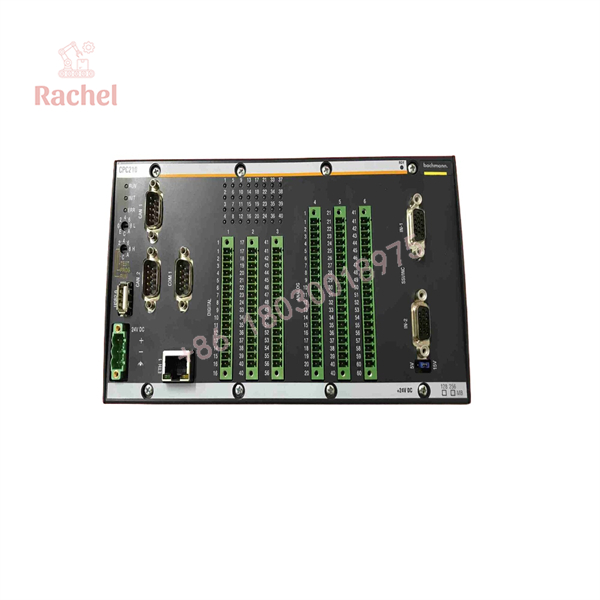
CPC210
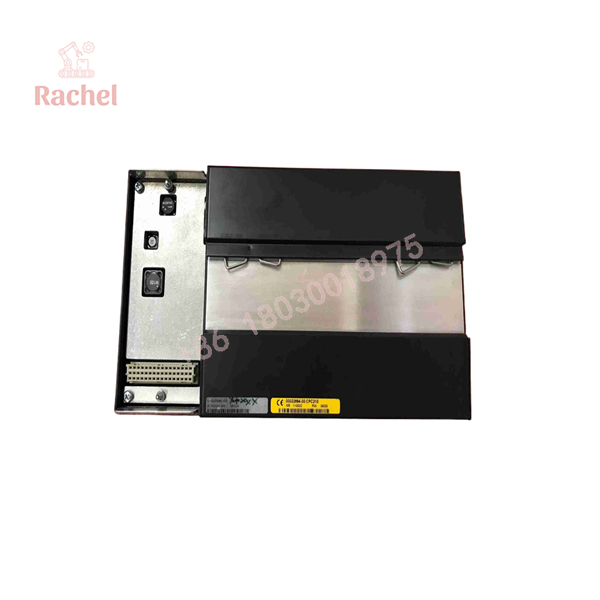
CPC210
Transparency SOP: Quality Assurance & Testing
We don’t just ship boxes; we test them on real supply hardware.
- Inbound Inspection — Serial number and manufacturing date code logged, OEM labels and housing verified, anti-counterfeit screening against known-genuine reference units.
- Live Rig Testing — Full power-up on a resistive load bank at nominal and tolerance-limit input voltages, confirming stable output regulation and no fault indications.
- Electrical Parameter Checks — Output voltage and ripple measured under load; inrush current and efficiency spot-checked; insulation resistance verified on the input stage before energization.
- Thermal Verification — Sustained-load run to confirm thermal behavior and protection shutdowns function correctly — a supply that passes a 30-second test can still fail in hour two.
- Firmware/Hardware Verification — Hardware revision logged and documented in the shipment paperwork so your engineers can validate it against the system’s build records.
- Final QC & Packaging — Connector pins inspected and covered, ESD-safe handling where applicable, then boxed with foam protection for transit.
The Veteran’s Tech Trap Guide
- ⚠️ Confirm the exact part number on your rack’s nameplate. Bachmann’s CP-series covers several supply variants with different output ratings. “CP210-family” is not a spec — pull the nameplate data (input range, output V/A, revision) before ordering, or send us a photo of the label and we’ll verify it with you.
- ❗ Diagnose the load, not just the supply. A replacement PSU that dies in a month usually isn’t a bad part — it’s a downstream short or a failing module dragging the bus down. Before condemning the supply, meg the output rail with everything disconnected, then reconnect modules one at a time. Trust me, this saves you from swapping good parts into a bad rack.
- ⚠️ Check the cabinet cooling before you reinstall. Power supplies fail from heat far more often than from electrical stress. A clogged cabinet filter or a dead fan will cook your new CPC210 the same way it cooked the old one. Clean the filter while you’re in there — it’s the cheapest reliability action in this entire page.
- ❗ Full isolation and lockout before the swap. This module carries live mains on its input side. De-energize, lock out, verify zero volts at the input terminals, and confirm the output bus is discharged. Wide-input supplies with charged output caps bite just as hard as any other.
Frequently Asked Questions (FAQ for Conversion)
Q1: Is the CPC210 hot-swappable?
No. It’s a mains-connected power supply feeding the rack backplane. Pulling it live means yanking DC power off a running controller — uncontrolled shutdown, potential file system corruption on the CPU, and personal risk on the input terminals. De-energize, lock out, swap on a planned stop. It’s a 30-minute job done right.
Q2: How do I know this is the right supply for my rack?
Match the full nameplate data of your failed unit — part number, input range, output rating, hardware revision — against our stock before ordering. Send us a photo of the label and your system model, and we’ll confirm compatibility before the part ships. We’d rather verify for five minutes than ship you the wrong module overnight.
Q3: Is the CPC210 still manufactured?
Bachmann’s current product generations use updated supply modules; CP-series availability through official channels has tightened as the installed base ages. Our stock is genuine Austrian-made Bachmann, sourced from the global surplus market — OEM overstock and decommissioned system inventories — and fully tested before shipping.
Q4: Why does the description on some surplus sites look generic or inconsistent?
Because it often is — recycled spec text is a known problem in this market. That’s why we verify every unit against the official Bachmann datasheet and log the actual hardware revision in your shipment documentation. If a listing anywhere (including ours) can’t pin down the output rating, don’t buy it.
Q5: Is this genuine or refurbished? Why is it cheaper than OEM?
Genuine Bachmann, condition listed honestly per unit — factory-sealed new surplus or tested pulls. We’re an independent supplier, not an authorized distributor, and we don’t pretend otherwise. Every unit passes the same load-bank and thermal test process with documentation before it ships.
Q6: Should I repair my old supply instead?
For a failed supply, replacement is almost always the right call — power supplies are cheap relative to the controller hardware they feed, and a supply that has already failed in service carries elevated risk of a second failure taking your rack down again. Repair makes sense for rare, long-lead modules; a stocked tested replacement makes more sense here.
Q7: What’s the warranty?
12 months from delivery covering functional failure under normal operating conditions. Combined with our load-bank and thermal testing, that makes a replacement CPC210 one of the lowest-risk purchases in the legacy-parts world — especially measured against the hourly cost of the rack it powers sitting dark.

 Start Chat


