





Description
Core Product Summary
The Chatillon E46-033-2 is a load cell from AMETEK Chatillon used for tension and compression force measurement. It converts applied mechanical force into an electrical signal for use with a compatible force indicator or force-testing system.
The E46-033-2 is intended for force-measurement applications such as tensile testing, compression testing, and related laboratory or production quality-control tasks. It should be installed in axial alignment with the applied force and used with compatible Chatillon measurement electronics.
Key Technical Specifications
| Parameter | Specification |
|---|---|
| Manufacturer | AMETEK Chatillon |
| Model | E46-033-2 |
| Product type | Load cell |
| Measurement modes | Tension and compression |
| Sensing principle | Strain-gauge-based force measurement |
| Output | Electrical signal proportional to applied force |
| Application category | Force gauges, test stands, and material-testing systems |
The available references identify the E46-033-2 as a Chatillon / AMETEK load cell for bidirectional tension and compression measurement.
Engineering Selection Highlights
- The E46-033-2 is a load cell → it is selected as the force-sensing element in a force-measurement system, not as a display, controller, or test-stand drive.
- It supports both tension and compression → it is suitable for applications where force may be applied in either direction.
- It uses strain-gauge-based sensing → the connected indicator or data-acquisition system must provide the appropriate excitation and signal conditioning.
- Axial force alignment is required → side loading, bending, or off-axis force can affect measurement validity and may damage the sensing element.
- The complete model number should be verified → capacity, thread size, cable length, and calibration requirements must be confirmed from the installed unit and its documentation.
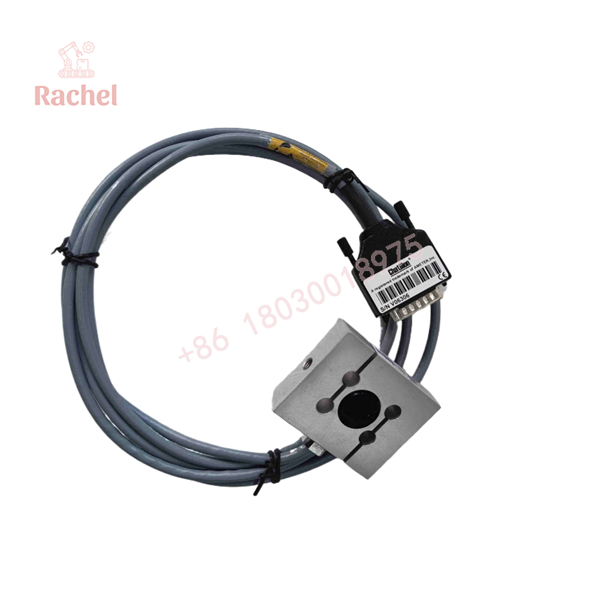
E46-033-2
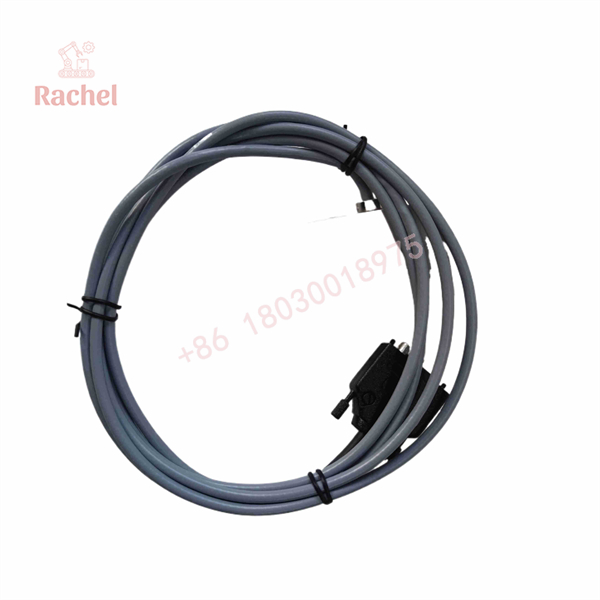
E46-033-2
System Compatibility & Integration Requirements
| Item / Dependency | Verified Compatibility or Requirement | Practical Note |
|---|---|---|
| Measurement electronics | Compatible Chatillon force indicator or measurement system | The load cell requires appropriate signal conditioning and force display or acquisition equipment. |
| Force direction | Tension and compression | The mechanical arrangement must allow axial loading in the intended direction. |
| Mechanical mounting | Test fixture or test-stand connection | The load cell must be mounted so that applied force remains aligned with its measurement axis. |
| Signal cable | Load-cell signal cable | Cable routing and strain relief should prevent force from being transmitted into the cable connection. |
The available references identify the E46-033-2 as a load cell but do not provide a verified capacity, connector, wiring, or indicator-compatibility matrix for publication.
Detailed Product Overview
The Chatillon E46-033-2 is an AMETEK Chatillon load cell intended for tension and compression force measurement. In a typical force-testing arrangement, the load cell is placed in the load path between the test fixture and the force-generating mechanism. As force is applied, the sensing element produces an electrical signal that is processed by the connected force indicator or measurement system.
The E46-033-2 is identified as a strain-gauge-based load cell. This type of sensor measures the small deformation produced by an applied force and converts it into an electrical signal proportional to that force. Because the measurement depends on controlled elastic deformation, the load cell must be loaded axially and protected from bending, torsion, shock, and overload conditions.
The model is associated with force-measurement applications including tensile and compression testing. References also identify it as a load cell used with Chatillon test equipment, which places it in the sensing path of a force gauge or test-stand system rather than in the display or control path.
For procurement or replacement, the complete E46-033-2 designation should be verified against the installed unit. Capacity, thread or mounting details, cable configuration, excitation requirements, and calibration data are essential selection parameters, but they are not consistently published in the available references and should be confirmed from the unit nameplate and its original documentation.
Applications & System Role
The E46-033-2 occupies the force-sensing layer of a material-testing or force-measurement system. It senses the force applied to a test sample or fixture and provides an electrical output to the associated force indicator or data-acquisition equipment.
Its bidirectional tension and compression capability makes it a fit for pull tests, compression tests, and related quality-control measurements. The load cell should be treated as a calibrated measurement component: its installation, alignment, and calibration status directly affect the validity of the force reading.
FAQ
What is the Chatillon E46-033-2?
The Chatillon E46-033-2 is an AMETEK Chatillon load cell used for tension and compression force measurement.
Can it measure both tension and compression?
Yes. Available references identify it as a bidirectional load cell for tension and compression force measurement.
What type of sensing technology does it use?
It is identified as a strain-gauge-based load cell.
What equipment does it connect to?
It is used with compatible Chatillon force-measurement electronics, such as a force indicator or force-testing system.
What installation precaution is most important?
The load cell should be loaded axially. Side loading, bending, shock, and overload can affect measurement accuracy or damage the sensing element.
Is the force capacity published for this exact model?
The available references identify the E46-033-2 as a load cell but do not provide a verified capacity specification. The capacity should be confirmed from the unit nameplate and its original documentation.

 Start Chat


