





Description
Product Introduction
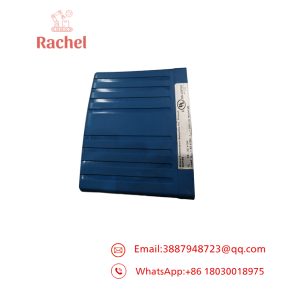
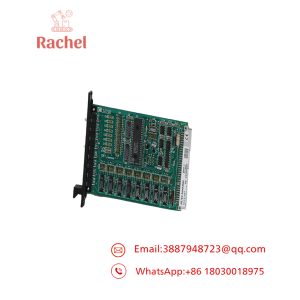
The DEIF LSU-113DG is a specialized hardware controller engineered to balance active electrical loads across multiple parallel diesel generators in marine and industrial power generation setups. Built by DEIF, this unit monitors real power via dedicated current and voltage inputs, dynamically adjusting governor control signals to ensure proportional load distribution during islanded or grid-tied operation.
Unlike microprocessor-based digital controllers that require software configuration suites and specialized programming cables, the LSU-113DG relies on hardwired analog loops and front-panel potentiometers for tuning. This analog architecture makes it a trusted drop-in replacement in legacy switchboards where speed of swap-out and zero-software commissioning are mandatory to minimize plant downtime.
Key Technical Specifications
| Parameter | Value |
| Nominal Voltage | 400V AC (Phase-to-Phase) |
| Current Input | 5A AC via external CT |
| Auxiliary Supply Voltage | 230V AC standard (variant dependent) |
| Frequency Range | 45 Hz to 65 Hz |
| Power Consumption | Max 5 VA |
| Load Sharing Output | +/- 10V DC standard control signal |
| Mounting Type | 35mm DIN rail or base mounting |
| Enclosure Protection | IP40 housing / IP20 terminals |
| Operating Temperature | -20°C to +70°C |
| Response Time | Adjustable via front-panel T_N pot |
Application Scenarios & The “Trench” Experience
Picture this: It is 03:15 hours on an offshore platform. The primary auxiliary genset trips on reverse power, dumping its entire electrical load onto Generator Number 2. The switchboard overloads, trips the bus tie, and plunges half the rig into darkness. You pull open the dead front and smell ozone coming from the load sharing card. You don’t have time to re-engineer a PLC loop; you need a direct hardware swap that matches the exact terminal pinout.
- Marine & Offshore: Main propulsion switchboards and emergency generator paralleling panels requiring redundant load sharing loops.
- Standby Industrial Power: Multi-engine diesel generator plants in remote manufacturing facilities running synchronized baseload operations.
- Containerized Power Modules: Mobile generator skids where standalone analog synchronization prevents single-point digital controller failures.
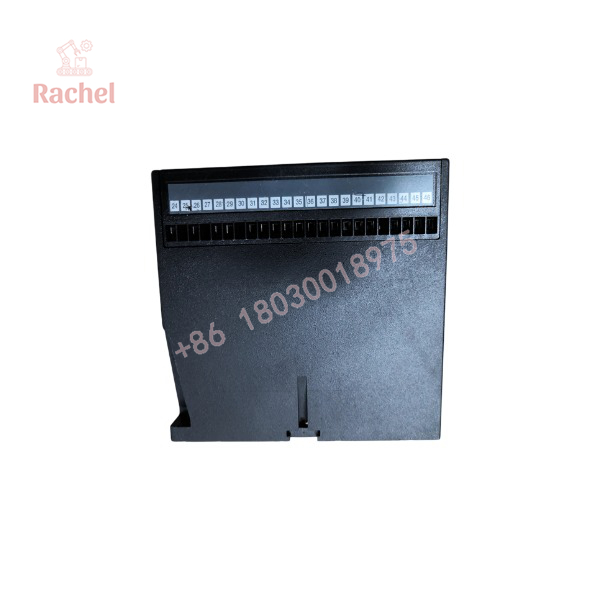
LSU-113DG
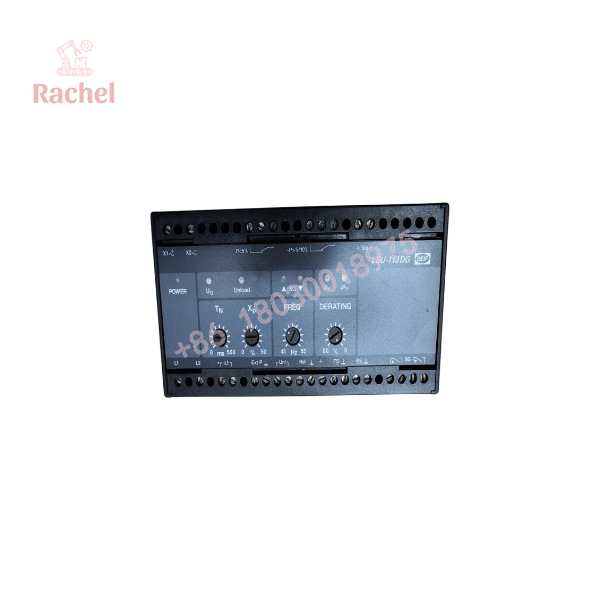
LSU-113DG
Transparency SOP: Quality Assurance & Testing
We don’t just ship boxes; we test them on actual DEIF test racks.
- Inbound Inspection (Anti-counterfeit check, visual verification of OEM housing seals and terminal blocks).
- Live Rig Testing (Power-on self-test across auxiliary rails, verification of front-panel LED indicators and internal relay states).
- Electrical Parameter Checks (Isolation testing and signal response verification on input channels).
- Calibration Sweep (Validating analog output response relative to simulated voltage and current inputs).
- Final QC & Anti-static Packaging (Logged serial tracking and moisture-barrier wrapping).
The Veteran’s Tech Trap Guide (Crucial Value-Add)
⚠️ Check your CT phasing. Getting the current transformer polarity reversed on terminals iL1 will cause the unit to fight the governor, driving the engine straight into reverse power instead of sharing the load.
❗ Watch the auxiliary supply voltage. Swapping a 110V AC unit with a 230V AC variant will immediately fry the internal step-down transformer before you even close the breaker. Verify the side label specs twice.
⚠️ Secure your tuning pots. Once you have trimmed the amplification and stability potentiometers (T_N and X_p) on the live test bench, apply a dab of threadlocker or tamper paint. Vibration from heavy diesel blocks will walk those analog dials right out of calibration.
❗ Inspect backplane edge connectors. If this module sits in an older rack setup, clean the card edge contacts with a non-residue electronic cleaner to prevent intermittent load-sharing spikes caused by oxidation.
Frequently Asked Questions (FAQ for Conversion)
Q: Is this unit plug-and-play with older DEIF hardware revisions?
A: Yes, the LSU-113DG is designed for direct backward compatibility with legacy installations sharing the same voltage and CT ratios, but always cross-reference the exact part number suffix.
Q: Can I hot-swap this module while the switchboard is live?
A: No. Pulling this module live under load will open your analog control loops to the speed governors, risking immediate engine speed surges or severe load imbalances. Isolate the rack power first.
Q: Why is this surplus unit a better option than upgrading to a modern PLC system?
A: Retrofitting a legacy switchboard to a full PLC-based power management system requires rewiring the entire dead front, rewriting PLC logic, and enduring weeks of downtime. Dropping in an identical hardware module takes less than an hour.
Q: What is the warranty coverage on this part?
A: Every unit comes with a comprehensive 12-month replacement warranty backed by our live-rig test verification report.
Q: Is this unit an OEM original or a third-party clone?
A: This is genuine surplus hardware sourced from verified industrial plant liquidations and marine inventory buyouts. We do not sell cheap replica electronics.

 Start Chat


