





Description
Product Introduction
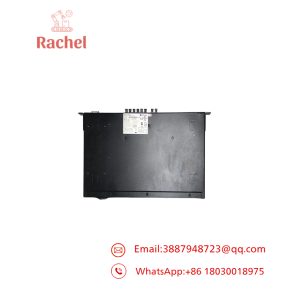
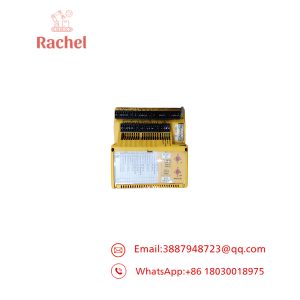
The Delta Tau ACC-68E is a rugged, high-density digital I/O expansion board engineered specifically for 3U Eurocard UMAC control architectures. It acts as a direct hardware bridge between real-world 24V DC industrial sensors, solenoids, relays, and switches and the high-speed processing core of PMAC2, Turbo PMAC, or Power PMAC controllers.
Unlike standard ribbon-cable expansion cards that require secondary terminal breakout boards, the ACC-68E incorporates heavy-duty, pluggable terminal blocks directly on its edge. It provides 16 optically isolated inputs and 16 optically isolated outputs on a single card slot, running full galvanic isolation to protect delicate UMAC backplane logic against industrial ground loops, high-voltage inductive spikes, and electrical noise.
Key Technical Specifications
| Parameter | Value |
|---|---|
| Compatible Controller Base | UMAC (3U Eurocard form factor) / Turbo PMAC / Power PMAC |
| Digital Input Count | 16 Optically Isolated Digital Inputs |
| Input Voltage Range | 12 V DC to 24 V DC nominal (Active high/low selectable per bank) |
| Input Current | Approx. 5 mA to 10 mA per channel at 24V DC |
| Digital Output Count | 16 Optically Isolated Digital Outputs |
| Output Type & Rating | Solid-state MOSFET switches, up to 24V DC at 500 mA per channel |
| Isolation Rating | 500V RMS optical isolation between field terminals and UMAC bus |
| Wiring Interface | Onboard pluggable screw terminal blocks (No external breakout required) |
| Power Requirements | +5V DC supplied via UMAC backplane; External 24V DC required for field side |
| Operating Temperature | 0°C to +55°C (32°F to 131°F) |
Application Scenarios & The “Trench” Experience
When an automated gantry or high-speed packaging machine trips an unexpected emergency stop, shorted 24V output channels on a motion card are a frequent culprit. A failed pneumatic solenoid coil can draw excessive current and burn out unbuffered output drivers, leaving the PMAC unable to actuate safety clamps or vacuum grippers. Swapping the damaged card for a fresh ACC-68E restores field switching immediately. Because field wiring lands directly onto pluggable terminal blocks, you unclip the existing wired terminal strips, slide out the old board, snap in the replacement, and plug the connectors back in without re-terminating a single wire.
- Semiconductor Wafer Processing – Driving pneumatic gate valves, reading vacuum pressure switches, and interlocking chamber doors.
- High-Speed Packaging & Sorting – Triggering high-current air reject actuators, reading optical registration sensors, and managing diverter gates.
- Precision CNC Machine Tools – Interfacing safety guard switches, coolant pumps, automatic tool changer position sensors, and status beacons.
- Custom Assembly Automation – Handshaking trigger signals with vision inspection systems and controlling part clamps in robotic cells.
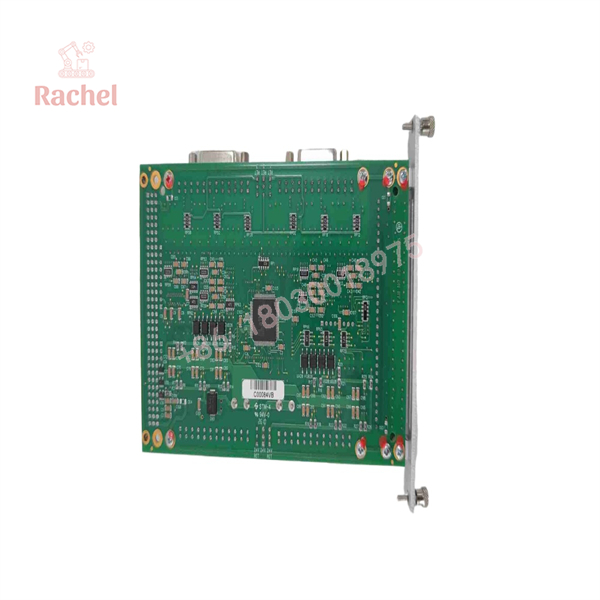
ACC-68E
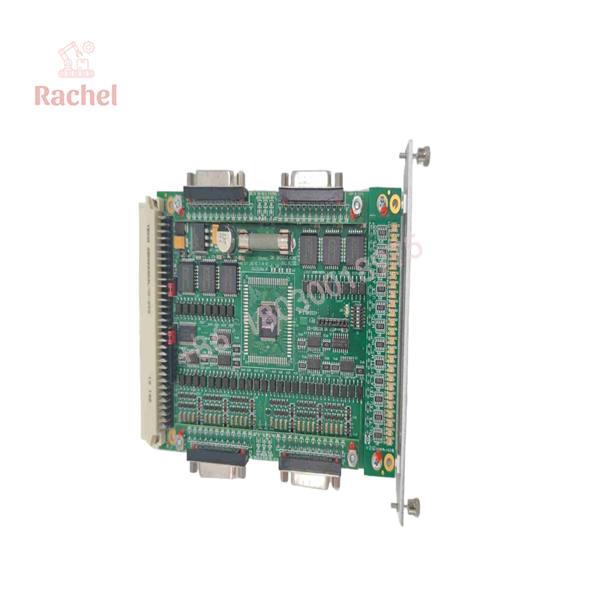
ACC-68E
Transparency SOP: Quality Assurance & Testing
We don’t just ship boxes; we test them on actual Delta Tau UMAC test chassis. Every surplus or refurbished ACC-68E undergoes a strict 5-stage verification process before shipping:
- Inbound Physical Inspection: Complete audit of the 3U Eurocard edge connector, onboard terminal headers, checking for trace corrosion, burn marks, fused trace bridges, or cracked components.
- UMAC Backplane Power-On Diagnostic: Board mounted into an active UMAC rack; logic voltage regulation and address decode logic verified under PEWIN32 / Power PMAC IDE.
- Optically Isolated Input Test: 24V DC signals applied across all 16 input channels individually to confirm LED status indicators and verify register bit state changes in software.
- Digital Output Load Testing: Actuated all 16 output switches under a continuous 24V DC / 500 mA load to verify current capacity, switching speed, and zero thermal runaway across driver arrays.
- Memory Clear & ESD Packaging: Base address jumpers verified, board cleared of previous customer configuration settings, and sealed in static-shielding ESD packaging.
The Veteran’s Tech Trap Guide (Crucial Value-Add)
⚠️ Match the Address Jumper Layout (E-Points): The ACC-68E uses hardware jumpers (E-points) to define its base memory address on the UMAC backplane. If you drop a replacement card into a slot with default jumpers, your PMAC M-variables (which point to specific addresses like Y:07C000) will read blank or garbage data. Always mirror the exact jumper layout from your old card before inserting the new one.
❗ Don’t Forget the External 24V Field Supply: The optical isolation on the ACC-68E isolates the UMAC backplane +5V logic from the field side. For the 24V inputs and outputs to function, you must connect an external 24V DC supply to the field power terminals on the card. If software shows outputs toggling ON but your field devices do nothing, check the external field supply fuse.
⚠️ Inductive Load Flyback Protection: While the output drivers on the ACC-68E are rated for up to 500 mA per channel, large inductive loads—such as heavy brake solenoids or mechanical contactor coils—generate massive inductive back-EMF voltage spikes when turned OFF. Always install flyback diodes across inductive DC loads to prevent degrading the onboard opto-isolators over time.
❗ Observe Common Wiring Voltage Polarities: Inputs and outputs on the ACC-68E are grouped into banks that share a common reference (COM). Wiring a mixture of NPN (sinking) and PNP (sourcing) sensors into the same input bank without setting the bank reference jumpers correctly will cause inputs to stay locked in an ON state.
Frequently Asked Questions (FAQ for Conversion)
Q: What is the main difference between the ACC-68E and the ACC-36E? A: The primary difference is the field connector style and current rating. The ACC-36E uses 34-pin flat ribbon connectors that require external breakout boards, and its outputs are limited to ~100 mA. The ACC-68E features built-in screw terminal blocks directly on the board and supports higher-current 500 mA outputs, eliminating the need for extra breakout hardware.
Q: Can I install multiple ACC-68E cards in a single UMAC rack? A: Yes. You can install multiple ACC-68E boards in the same rack provided each board is set to a unique base address via its onboard jumpers and your UMAC power supply can handle the small 5V logic overhead.
Q: Is the ACC-68E compatible with both Turbo PMAC and Power PMAC CPUs? A: Yes. The board interfaces via the standard 3U Eurocard UMAC backplane bus. Both Turbo PMAC2 and Power PMAC UMAC CPUs natively support the ACC-68E; you simply map the appropriate memory registers in your respective IDE software.
Q: Is the ACC-68E hot-swappable in a live UMAC rack? A: Absolutely not. Standard UMAC expansion boards are NOT hot-swappable. Pulling or inserting an ACC-68E card while main 5V/24V power is applied will cause backplane bus contention and can permanently damage the bus driver ICs on both the expansion card and the main CPU board.
Q: What warranty comes with this replacement board? A: All our new surplus and bench-tested refurbished Delta Tau boards come backed by a full 12-month direct replacement warranty. If a card fails under normal operating conditions within one year, we swap it out immediately from our warehouse stock.

 Start Chat


