





Description
Core Product Summary (Brand / Model / Key Attributes)
The Delta Tau PMAC2A-ETH is a Turbo PMAC Clipper programmable multi-axis motion controller with an integrated 100 Mbps Ethernet host interface and RS-232 serial port. It uses an 80 MHz DSP56303 Turbo PMAC processor and provides coordinated servo or stepper motion control for industrial automation equipment.
The controller includes four axis-interface channels, each with a 12-bit ±10 V analog output, pulse-and-direction outputs, three-channel differential or single-ended encoder inputs, five input flags, two output flags, and UVW TTL-level Hall inputs. It also provides 32 general-purpose TTL-level I/O points, a handwheel port, 256k × 24 user SRAM, and 1M × 8 flash memory for user backup and firmware. Axis and encoder connections use a 50-pin IDC header, while flag and general-purpose I/O use a 34-pin IDC header.
Key Technical Specifications
| Attribute | Verified Information |
|---|---|
| Manufacturer | Delta Tau Data Systems |
| Model | PMAC2A-ETH |
| Product family | Turbo PMAC Clipper |
| Product type | Programmable multi-axis motion controller |
| Processor | 80 MHz DSP56303 Turbo PMAC CPU |
| User memory | 256k × 24 user SRAM |
| Nonvolatile memory | 1M × 8 flash memory for user backup and firmware |
| Host communication | 100 Mbps Ethernet; RS-232 serial interface |
| Axis-interface channels | 4 |
| Analog output per channel | 12-bit, ±10 V |
| Digital motion output per channel | Pulse-and-direction outputs |
| Encoder feedback per channel | 3-channel differential or single-ended encoder input |
| Axis flags per channel | 5 input flags and 2 output flags |
| Hall inputs per channel | UVW TTL-level Hall inputs |
| General-purpose I/O | 32 TTL-level points, direction selectable by byte |
| I/O expansion ports | 16-point multiplexer port for Delta Tau I/O accessories; 16-point “opto” port for Opto-22-style modules |
| Handwheel interface | Two quadrature encoder inputs and two pulse output pairs |
| Servo functions | PID, notch filter, and feedforward servo algorithms |
| Axis interface connector | 50-pin IDC header |
| Flag interface connector | 34-pin IDC header |
| Power connector | 4-pin Molex connector: 5 V, ±12 V, GND |
| Auxiliary power requirement | ±12 V required only for analog outputs or inputs |
Detailed Product Overview
The Delta Tau PMAC2A-ETH is a Turbo PMAC Clipper motion controller intended for coordinated multi-axis servo and stepper applications. It combines a Turbo PMAC2 processor with onboard Ethernet and RS-232 communications, allowing a host computer to send motion commands over Ethernet or RS-232 while the controller executes stored motion programs and real-time servo routines.
Each of the four axis-interface channels provides the core electrical interfaces required for a conventional analog servo axis: a 12-bit ±10 V command output, pulse-and-direction outputs, three-channel encoder feedback, input and output flags, and UVW Hall inputs. This makes the PMAC2A-ETH suitable for systems using analog-command servo amplifiers, stepper drives, or pulse-and-direction interfaces, provided the amplifier and feedback electrical requirements match the controller’s documented interface.
The controller’s 32 TTL-level I/O points are direction-selectable by byte. They are divided into a 16-point multiplexer port for Delta Tau I/O accessories and a 16-point “opto” port compatible with Opto-22-style modules. The handwheel port provides two quadrature encoder inputs and two pulse output pairs, supporting manual motion-interface functions where configured.
The PMAC2A-ETH uses a 50-pin IDC header for amplifier and encoder interface wiring and a 34-pin IDC header for flag-interface wiring. Power enters through a 4-pin Molex connector supplying 5 V, ±12 V, and ground; the ±12 V supply is required only when analog outputs or inputs are used. For integration, shielded encoder and analog cabling, correct grounding, and conservative servo tuning are important because feedback noise and incorrect servo parameters can affect motion stability.
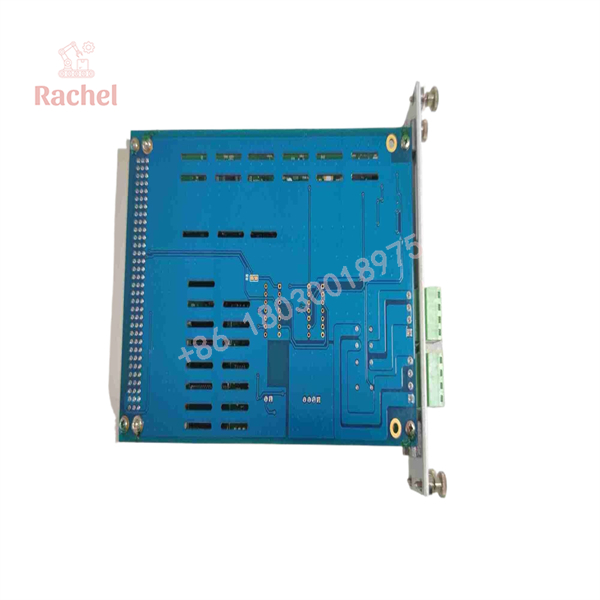
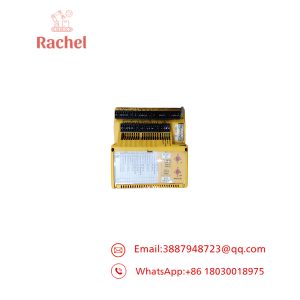
PMAC2A-ETH
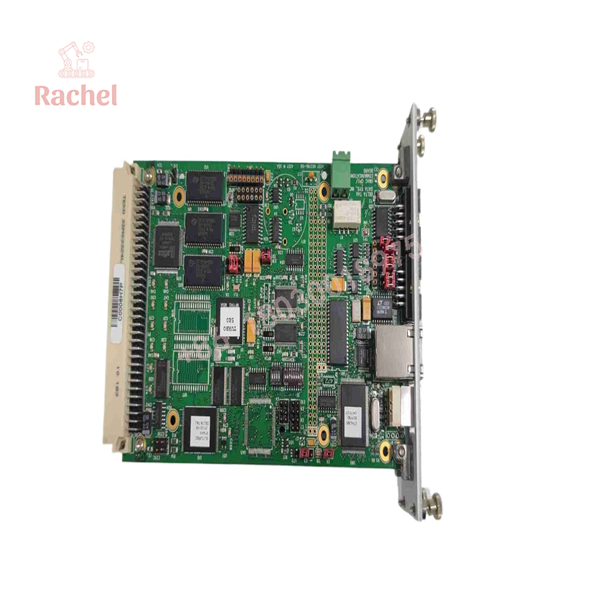
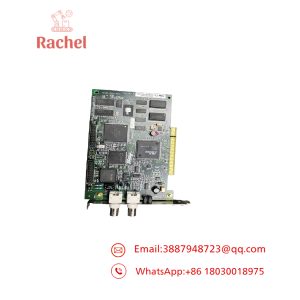
PMAC2A-ETH
Engineering Selection Highlights
- Turbo PMAC Clipper architecture → The controller provides a Turbo PMAC2 processing platform for coordinated multi-axis motion programs and real-time servo control.
- Ethernet plus RS-232 communications → A host can communicate over 100 Mbps Ethernet or the RS-232 port, supporting both networked and serial integration paths.
- Four onboard axis channels → Each channel combines analog command, pulse-and-direction output, encoder feedback, flags, and Hall inputs, so the controller can serve mixed servo and stepper configurations.
- 32 direction-selectable TTL I/O points → The I/O arrangement supports local machine logic and expansion through Delta Tau multiplexer accessories or Opto-22-style modules.
- PID, notch, and feedforward servo algorithms → These functions allow servo response to be configured for the connected motor, amplifier, and mechanical load.
- Documented connector layout → The 50-pin axis/encoder header, 34-pin flag header, and 4-pin Molex power connector define the wiring and cabinet-interface requirements.
- Flash-based firmware and backup → The 1M × 8 flash memory supports firmware and user backup, while the 256k × 24 SRAM provides user memory.
System Compatibility & Integration Requirements
| Item / Dependency | Verified Compatibility or Requirement | Practical Note |
|---|---|---|
| Controller family | Delta Tau Turbo PMAC Clipper | The PMAC2A-ETH is a Turbo PMAC Clipper Ethernet motion controller. |
| Host communication | 100 Mbps Ethernet and RS-232 | Select the appropriate host interface and configure communications before operation. |
| Servo amplifiers | Analog ±10 V command or pulse-and-direction interfaces | Confirm amplifier command type and electrical levels against the controller’s axis-interface outputs. |
| Feedback devices | Differential or single-ended encoder inputs; UVW TTL Hall inputs | Match encoder signal type, channel count, and electrical interface to the controller inputs. |
| I/O expansion | Delta Tau I/O accessories and Opto-22-style modules | The 16-point multiplexer and 16-point “opto” ports define the supported expansion paths. |
| Power supply | 5 V, ±12 V, and GND through a 4-pin Molex connector | ±12 V is required only for analog outputs or inputs. |
| Wiring | 50-pin IDC axis/encoder header; 34-pin IDC flag header | Use the documented Delta Tau pinout and shielded cabling practices for encoder and analog signals. |
Dimensions, Mounting & Connection Notes
- The PMAC2A-ETH is a Turbo PMAC Clipper motion-control board with onboard axis-interface, I/O, handwheel, Ethernet, and RS-232 circuitry.
- Axis amplifiers and encoder feedback connect through the 50-pin IDC header.
- Flag-interface signals connect through the 34-pin IDC header.
- Controller power is supplied through a 4-pin Molex connector providing 5 V, ±12 V, and GND; ±12 V is required only when analog outputs or inputs are used.
- Use shielded cabling and appropriate grounding for encoder and analog signal wiring to preserve signal integrity.
- Back up controller programs, parameters, and configuration data before removing or replacing the board.
FAQ
What is the Delta Tau PMAC2A-ETH?
It is a Delta Tau Turbo PMAC Clipper programmable multi-axis motion controller with Ethernet and RS-232 communications.
How many axes can the PMAC2A-ETH control?
The controller provides four onboard axis-interface channels, each with analog command, pulse-and-direction output, encoder feedback, flags, and Hall inputs.
What processor does it use?
It uses an 80 MHz DSP56303 Turbo PMAC CPU.
Which communication interfaces are included?
The controller includes a 100 Mbps Ethernet interface and an RS-232 serial interface.
What feedback interfaces does each axis channel provide?
Each channel provides three-channel differential or single-ended encoder inputs and UVW TTL-level Hall inputs.
What I/O does the PMAC2A-ETH provide?
It provides 32 general-purpose TTL-level I/O points, direction selectable by byte, divided into a 16-point multiplexer port and a 16-point “opto” port.
What power supply does it require?
It requires 5 V, ±12 V, and GND through a 4-pin Molex connector; ±12 V is needed only for analog outputs or inputs.
Which connectors are used for field wiring?
A 50-pin IDC header is used for amplifier and encoder interface wiring, and a 34-pin IDC header is used for flag-interface wiring.
Verification & Troubleshooting Notes
- Confirm the board marking reads and record the full assembly number, such as 603871-106, before replacement.
- Verify Ethernet and RS-232 communication settings, IP configuration where applicable, and host-software connection before diagnosing motion faults.
- If an axis is unstable or faults, check encoder signal quality, shielding, grounding, amplifier command mode, Hall-input wiring, limit and home flags, and servo gains.
- Do not exceed the documented I/O voltage and current ratings, and do not connect analog or encoder circuits without confirming the controller pinout.
- Back up motion programs, PLC programs, servo parameters, and I/O configuration before firmware changes or controller replacement.
- Keep the host system and controller power isolated during wiring changes, and use ESD precautions when handling the board.

 Start Chat


