





Description
Product Introduction & Engineering Value
A remote I/O failure rarely looks simple in a control room. A single communication node fault can interrupt dozens of field signals while leaving individual I/O modules appearing healthy. The Emerson 1C31203G01 solves this problem by acting as the processing bridge between the Ovation controller and distributed remote I/O modules.
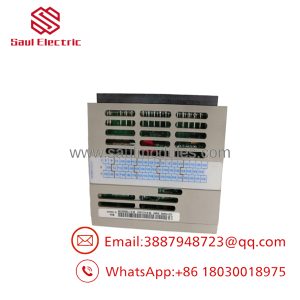
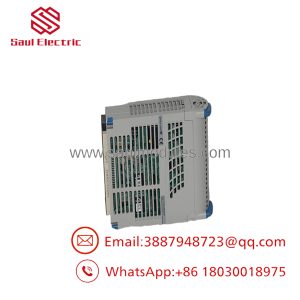
Designed for Ovation DCS remote node architectures, this EMOD assembly contains the Remote Node Logic Board and Remote Node Field Board. It receives messages from the remote I/O controller, prepares data exchange with local I/O modules, and returns responses through the fiber-optic communication path.
Technical Specifications
| Specification | Details |
|---|---|
| Manufacturer | Emerson Process Management |
| Model Number | 1C31203G01 |
| System Platform | Ovation DCS |
| Module Type | Remote Node Electronics Module (EMOD) |
| Primary Function | Remote I/O node communication management |
| Internal Components | LND Logic Board + FND Field Board |
| Power Supply | +5 VDC supplied internally |
| Communication Interface | Fiber-optic remote I/O communication |
| Compatible Module Family | Ovation Remote Node Controller system |
| Installation Location | Remote I/O node cabinet |
| Application Role | Data exchange between controller and local I/O modules |
| Lifecycle Status | Legacy / lifecycle-managed spare |
Field Application & The “Trench” Experience
A power plant maintenance team received a remote I/O communication alarm during a scheduled outage. Operators noticed that several valve feedback signals and temperature inputs from a turbine auxiliary system had frozen simultaneously. Initial checks showed that the individual I/O cards were powered and healthy.
The troubleshooting team traced the fault to the remote node electronics assembly. After replacing the failed Emerson 1C31203G01 module and verifying the fiber communication path, the remote I/O rack resumed normal data exchange without replacing any field I/O modules.
Typical engineering scenarios include:
- Turbine auxiliary system remote I/O cabinets where long-distance fiber communication separates field panels from the control room
- Boiler instrumentation remote nodes handling distributed temperature, pressure, and status signals
- Water treatment process skids using Ovation remote I/O expansion cabinets
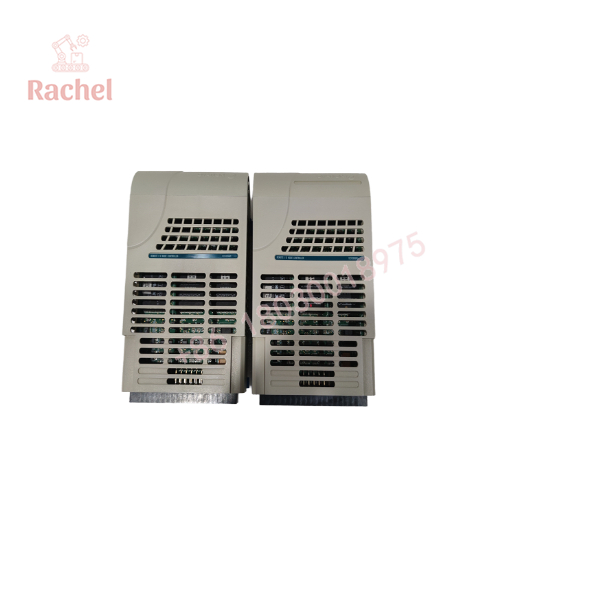
1C31203G01
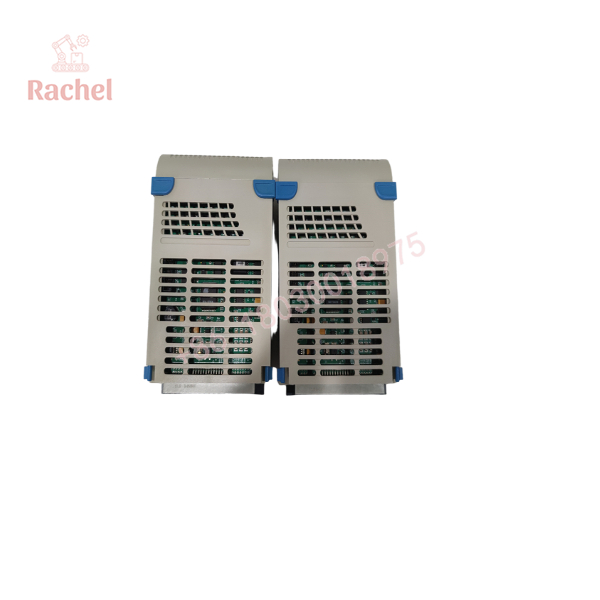
1C31203G01
Transparency SOP: QA & Testing
A replacement 1C31203G01 should not be treated as a simple plug-in spare. Remote communication modules require verification before installation.
Inspection and test sequence:
- Part Identification
- Confirm Emerson/Ovation marking.
- Verify exact model: 1C31203G01.
- Check board revision and connector condition.
- Hardware Condition Review
- Inspect fiber interface area.
- Examine PCB surface for corrosion, contamination, or physical damage.
- Verify mounting hardware condition.
- Functional Testing
- Confirm +5 VDC power operation.
- Verify communication exchange capability with compatible Ovation remote I/O hardware.
- Record test results.
- Final Documentation
- Attach inspection report.
- Record serial number and inventory status.
- Assign warranty tracking information.
The Veteran’s Tech Trap Guide
⚠️ Trap #1: Replacing the Controller Module Without Checking Fiber Infrastructure
A healthy 1C31203G01 cannot communicate through a damaged fiber link.
PRO TIP: Before condemning the module, inspect:
- Fiber connectors
- Optical power levels
- Cable routing
- Remote node addressing
⚠️ Trap #2: Confusing 1C31203G01 With the Remote Node Personality Module
The remote node system uses multiple related assemblies.
- 1C31203G01 → Remote Node Electronics Module
- 1C31204G01 → Remote Node Controller Personality Module with 850 nm fiber port
They work as a system but are not interchangeable.
⚠️ Trap #3: Ignoring Node Configuration After Replacement
A replacement module may power up correctly while still failing communication because of incorrect node configuration.
Verify:
- Node addressing
- Fiber connection assignment
- I/O branch configuration
- Controller recognition
Dynamic FAQ
Q1. What is the Emerson 1C31203G01 used for?
The Emerson 1C31203G01 is a Remote Node Electronics Module for Ovation DCS systems. It manages communication between the remote I/O controller and local I/O modules through the remote node network.
Q2. Is 1C31203G01 an analog or digital I/O module?
No. It is not a signal-level input or output card. It is a remote node communication and processing module that supports the operation of distributed Ovation I/O assemblies.
Q3. What modules are associated with the 1C31203G01 remote node assembly?
The 1C31203G01 works with the remote node architecture, including the 1C31204G01 personality module used for remote node controller fiber interface functions.
Q4. Can a refurbished 1C31203G01 be used as a plant emergency spare?
Yes, provided the module has passed inspection, communication testing, and inventory documentation review. For legacy Ovation systems, tested refurbished modules are commonly maintained as contingency spares.
Q5. What should buyers verify before purchasing New Surplus 1C31203G01?
Recommended checks:
- Correct part number
- Original Emerson labeling
- Storage condition
- Connector and fiber interface condition
- Functional test record
- Warranty terms
Q6. Is Emerson 1C31203G01 still considered a critical lifecycle spare?
For facilities operating legacy Ovation remote I/O networks, yes. Remote node controller failures can affect multiple field signals simultaneously, so maintaining replacement inventory and lifecycle planning is recommended.

 Start Chat


