





Description
Product Introduction
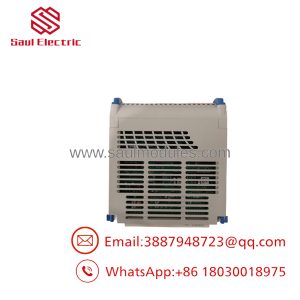
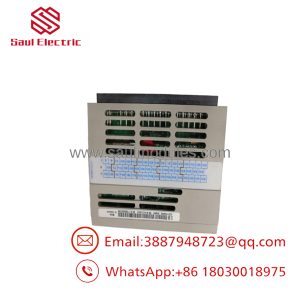
The Emerson CE4002S1T2B5 is a DeltaV M-Series Traditional I/O termination block used to connect field wiring to a compatible 32-channel discrete output card. In a distributed control system, it provides the physical termination interface between the control hardware and field devices such as solenoid valves, indicator lamps, and interposing relays.
Its defining application is 24 VDC high-side discrete output wiring. Correct selection depends on the associated I/O card, carrier arrangement, field-power distribution, and terminal assignment—not simply the CE4002 model prefix.
Key Technical Specifications
The Emerson DeltaV product data sheet is the primary reference for identifying this component. The following table separates documented product-family information from details that must be verified against the installed hardware.
| Parameter | Specification |
|---|---|
| Manufacturer | Emerson Process Management |
| Model | CE4002S1T2B5 |
| System | DeltaV DCS |
| I/O family | M-Series Traditional I/O |
| Component type | Standard I/O termination block |
| Associated I/O function | 32-channel discrete output |
| Output signal type | 24 VDC, high-side switching |
| Field wiring | Terminal-block interface |
| Mounting arrangement | Compatible DeltaV M-Series I/O interface/carrier; verify the exact assembly |
| Output card included | Do not assume; confirm the supplied bill of materials |
| Field-power requirements | Verify card documentation, load requirements, and wiring drawings |
| Firmware requirements | Confirm compatibility with the installed I/O card and DeltaV configuration |
| Condition and warranty | Supplier-specific; obtain written confirmation |
Source: Emerson DeltaV M-Series Traditional I/O product documentation.
Important engineering limitation: The termination block does not independently execute control logic or generate discrete output commands. The associated output card performs the control-system interface function. Do not treat specifications published for the output card as electrical ratings of the termination block itself.
Application Scenarios & the “Trench” Experience
A plant’s discrete outputs begin behaving intermittently. A valve fails to actuate, an alarm lamp stays dark, or a relay does not pull in. The DCS configuration looks normal, so the maintenance team starts checking the field device, output channel, field supply, and termination wiring. Replacing the wrong component wastes time—and can introduce new wiring errors.
The CE4002S1T2B5 is relevant when troubleshooting or maintaining a compatible DeltaV M-Series 32-channel, 24 VDC high-side discrete output installation.
- Oil and gas — Solenoid valve control — Provides the field-wiring termination interface for compatible discrete output channels controlling process valves and auxiliary equipment.
- Chemical processing — Equipment interlocks — Supports field wiring associated with discrete commands to compatible relays and actuators. Safety instrumented functions must use hardware approved for the required safety architecture.
- Power generation — Status and auxiliary control — Can form part of the output wiring arrangement for compatible auxiliary devices and annunciation circuits.
- Water and wastewater — Pump and valve commands — Provides termination for output wiring to compatible interposing relays, valve actuators, or other field loads.
- Pharmaceutical and batch manufacturing — Discrete equipment sequencing — Supports field wiring for compatible output channels used in machine and process sequences.
These are representative uses of DeltaV discrete output systems. They do not establish that the CE4002S1T2B5 is suitable for every load or safety function. Confirm the actual output-card specification and application design.
Field replacement scenario
Imagine a process line that cannot restart because one or more discrete outputs fail to reach their field devices. The technician confirms the field supply, checks terminal tightness, and tests the output channel. The fault is eventually traced to a damaged termination assembly.
Before replacing it, the technician records the terminal assignments, confirms the associated output-card model, and compares the replacement’s keying and carrier arrangement. After installation, each affected channel is checked against the wiring drawing and verified at the field device.
The key lesson: a matching model number is necessary, but correct channel mapping and field-power verification are what make the replacement successful.
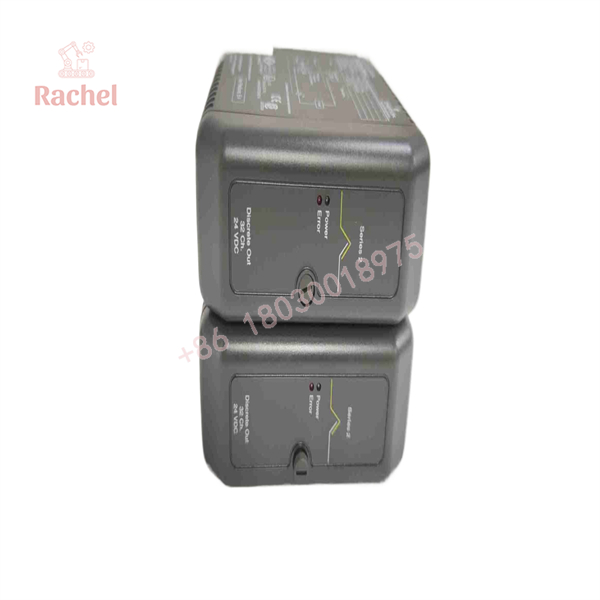
CE4002S1T2B5
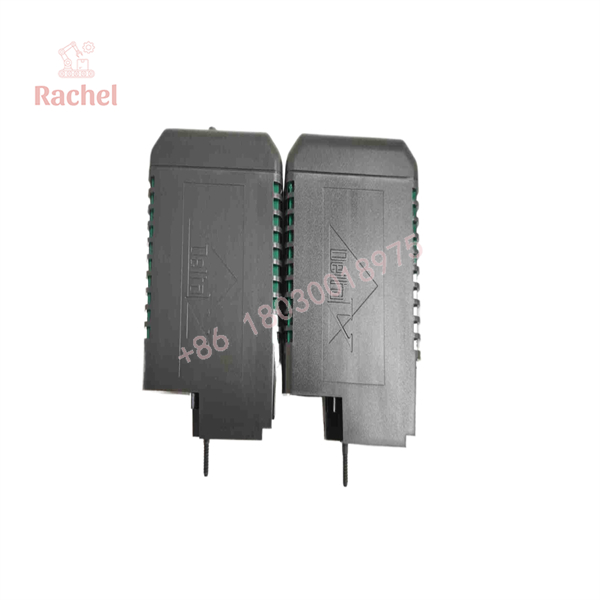
CE4002S1T2B5
Transparency SOP: Quality Assurance & Testing
For a discontinued or surplus DeltaV termination block, a sensible acceptance process should establish its identity, physical condition, and electrical continuity. The steps below describe a recommended testing procedure; they are not a claim that a particular seller has performed these checks.
1. Inbound Inspection
- Photograph the model label and any serial, revision, or date codes.
- Inspect the terminal block, connector interfaces, keying features, and mounting points.
- Check for corrosion, cracked insulation, bent pins, overheating, and evidence of unauthorized repair.
- Record whether the unit is sealed, unused surplus, refurbished, or previously installed.
2. Interface and Continuity Testing
- Check accessible wiring paths and terminals using the approved test procedure.
- Verify connector integrity and mechanical engagement.
- Confirm that terminal numbering agrees with the applicable wiring documentation.
- Use a compatible test fixture where practical; a standalone termination block cannot demonstrate output-card logic operation.
3. Electrical Checks
- Inspect terminal integrity and verify continuity where specified.
- Check for unintended shorts between conductors and adjacent terminals using a suitable low-energy test method.
- Do not apply a megohmmeter or external voltage to connected electronic assemblies unless the OEM procedure explicitly permits it.
- Record any measured values and acceptance limits.
4. Compatibility Verification
- Confirm the associated 32-channel, 24 VDC high-side output card.
- Verify the interface carrier, mechanical keying, and connector arrangement.
- Review the field-power distribution, terminal assignments, and applicable DeltaV hardware revision.
- If system-level testing is required, test with a compatible card and approved test setup.
5. Final QC and Packaging
- Document the inspection results and the actual condition of the unit.
- Protect exposed connectors and terminals against electrostatic discharge, impact, and contamination as applicable.
- Include the model identification, test record, warranty terms, and return conditions.
- Do not describe a component as fully system-tested unless the test setup and results can be documented.
Procurement recommendation: Request photographs of the actual unit, a clear condition classification, and a test report. If the supplier claims the block was tested on a live DeltaV rack, ask which compatible output card and carrier were used.
The Veteran’s Tech Trap Guide
⚠️ Trap 1: Confusing the Termination Block With the Output Card
CE4002S1T2B5 identifies a termination-block configuration, not a standalone 32-channel output card. Verify exactly which components are included in the quotation. A termination block alone cannot replace a failed output card.
❗ Trap 2: Assuming All DeltaV Termination Blocks Are Interchangeable
The CE4002 family includes different output configurations, including fused, standard, and mass-termination arrangements. Compare the complete part number and interface details against the OEM drawings. A similar-looking terminal block may have a different wiring arrangement.
⚠️ Trap 3: Forgetting High-Side Output Wiring
The associated output configuration is specified as 24 VDC high-side switching. Confirm the field supply, common-return arrangement, load polarity, and output-card ratings before reconnecting the field devices. Never assume that a high-side output can be wired like a sinking output.
❗ Trap 4: Changing Terminal Positions During Replacement
Photograph the original wiring and label each conductor before disconnecting it. Verify every terminal against the approved drawing before restoring power. One misplaced wire can energize the wrong solenoid or relay, potentially causing an equipment trip or an unsafe process condition.
Frequently Asked Questions
Q1. What is the Emerson CE4002S1T2B5 used for?
It is a standard termination block for a DeltaV M-Series Traditional I/O discrete output configuration associated with a 32-channel, 24 VDC high-side output card. It provides the field-wiring interface rather than executing control logic.
Q2. Can I replace it with VE4002S1T2B5?
Do not assume direct interchangeability from the similar model numbers. The CE and VE prefixes can identify different hardware generations or product configurations. Check the applicable Emerson compatibility documentation, carrier interface, and complete part numbers before substituting one for the other.
Q3. Can I replace the termination block while the DeltaV system is running?
Do not assume that live replacement is permitted. The procedure depends on the exact hardware assembly, carrier design, field wiring, and plant change-control requirements. Isolate field power and follow the applicable Emerson installation instructions and site lockout/tagout procedure before disconnecting wiring.
Q4. Does CE4002S1T2B5 include the 32-channel output card?
The model is identified as a termination block associated with the 32-channel output configuration. Do not assume the output card is included. Request a written bill of materials and verify the supplied components before purchasing.
Q5. Does it support 24 VDC high-side discrete outputs?
Yes, it is listed in Emerson’s documentation for the 32-channel, 24 VDC high-side discrete output configuration. The actual channel ratings, field-power requirements, and permissible loads must be checked against the corresponding output-card documentation.
Q6. Does it come with a 12-month warranty?
Warranty coverage depends on the seller, condition, and sales terms. Some independent suppliers advertise a 12-month warranty, but that is not proof of an Emerson factory warranty. Obtain written confirmation of the duration, exclusions, return procedure, and coverage for installation-related faults.
Q7. Why might a surplus unit cost less than purchasing through Emerson?
Independent surplus suppliers may sell unused inventory, previously installed hardware, or refurbished components. Pricing depends on condition, testing, traceability, availability, and warranty coverage. A lower price does not automatically mean the product is counterfeit, but the buyer should request clear photographs, documented condition, and a return policy.

 Start Chat


