





Description
Product Introduction & Engineering Value
The FANUC A06B-0590-B004 belongs to FANUC’s legacy CNC servo-drive hardware. It is used within the servo loop between the CNC control and the associated motor, providing the electrical drive required for controlled axis movement.
For a replacement, the complete model number is only one part of the verification process. The CNC control generation, motor model, axis assignment, feedback arrangement, and amplifier configuration should be compared with the failed unit. A similar-looking FANUC amplifier is not automatically an acceptable substitute.
Technical Specifications
- Manufacturer: FANUC
- Part Number: A06B-0590-B004
- Product Type: AC Servo Amplifier
- Application: FANUC CNC motion control
- System: FANUC CNC servo architecture
- Motor Compatibility: Model-specific
- Axis Application: Machine-specific
- Feedback Interface: FANUC system dependent
- Input Power: Verify from the exact amplifier nameplate
- Output Rating: Verify from OEM documentation
- Control Interface: FANUC CNC-specific
- Configuration: CNC parameter dependent
- Installation: CNC electrical cabinet
Specification caution
I would not assign a specific input voltage, output current, motor horsepower, or axis count to A06B-0590-B004 without documentation for this exact FANUC variant. FANUC A06B numbers cover multiple generations and configurations, and copying ratings from a similar servo amplifier can result in an incorrect product listing.
Field Application & the “Trench” Experience
A legacy machining center develops a servo alarm on one feed axis. The maintenance team identifies the amplifier as the suspected failure and finds an A06B-0590-B004 in the spare-parts cabinet.
Before installing it, the technician checks the failed amplifier’s label against the spare, then verifies the motor model and axis designation in the machine documentation. The CNC parameters are backed up before power is removed.
The swap itself takes less than an hour.
The commissioning takes longer.
The team has to confirm that the replacement amplifier communicates correctly with the CNC and that the motor operates correctly under controlled conditions. This is typical with older FANUC equipment: hardware replacement is mechanical; commissioning is a system problem.
Specific application scenarios
- Legacy CNC machining centers — Replacement of aging servo amplifiers supporting feed axes.
- CNC turning equipment — Maintaining servo-controlled positioning and feed systems.
- Production milling machines — Supporting existing FANUC servo architectures during planned maintenance.
- Machine-tool refurbishment — Replacing obsolete drive hardware while retaining the original CNC platform.
Transparency SOP: QA & Testing
For new-surplus or refurbished A06B-0590-B004 inventory, a useful QA process should include:
1. Identification
- Confirm the exact A06B-0590-B004 number.
- Record serial and revision information.
- Photograph the actual unit.
2. Physical inspection
- Examine power and motor connectors.
- Inspect circuit boards for corrosion or contamination.
- Check heatsinks, fans, and ventilation paths.
- Look for evidence of previous repair.
3. Electrical screening
- Perform pre-power checks appropriate to the drive.
- Check for abnormal resistance or shorts.
- Verify control-power circuits.
4. Functional test
- Connect the amplifier to a compatible FANUC test system.
- Verify startup and initialization.
- Confirm CNC communication.
- Test applicable servo output functions.
- Check alarm and diagnostic behavior.
5. Final documentation
- Record test equipment and conditions.
- Document the hardware revision.
- Record test results and final condition.
A unit that simply illuminates its LEDs should not be described as fully function-tested.
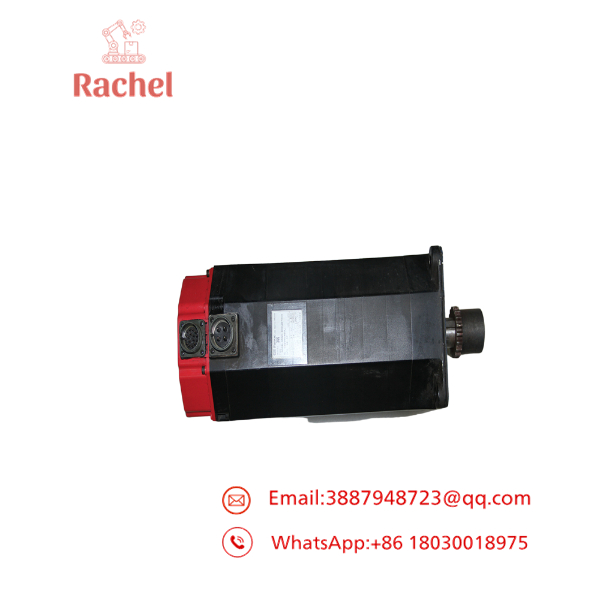
A06B-0590-B004
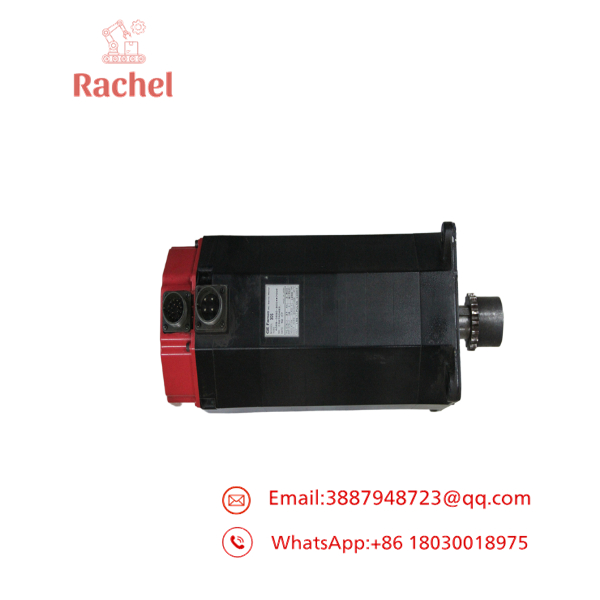
A06B-0590-B004
The Veteran’s Tech Trap Guide
⚠️ Trap #1 — Assuming the B004 suffix is interchangeable with another suffix.
FANUC’s suffix structure can identify important hardware differences. Match the complete designation.
PRO TIP: Photograph every label on the failed amplifier before removal.
⚠️ Trap #2 — Forgetting the motor pairing.
Verify the exact FANUC motor model. The drive’s suitability cannot be established from the amplifier number alone.
⚠️ Trap #3 — Losing the CNC parameter backup.
Back up machine parameters and relevant servo data before replacing the amplifier whenever possible.
⚠️ Trap #4 — Treating a servo alarm as proof of amplifier failure.
Check motor wiring, feedback signals, encoder connections, mechanical loading, and CNC diagnostics before condemning the drive.
⚠️ Trap #5 — Testing under uncontrolled machine conditions.
A servo amplifier should be commissioned according to the machine manufacturer’s procedure. Uncontrolled axis movement is an unacceptable way to discover a configuration error.
Dynamic FAQ
ANUC ?
It is a legacy FANUC AC servo amplifier/drive component used within FANUC CNC motion-control systems.
Is a servo motor?
No. It is the servo amplifier/drive. The associated servo motor is a separate component.
Can I replace it with another A06B-0590 amplifier?
Not without verification. Match the complete part number and confirm compatibility with the motor, CNC control, axis, feedback system, and machine configuration.
What information should I provide when ordering?
Ideally provide:
- Complete amplifier part number
- FANUC motor model
- CNC control model
- Axis number/name
- Original amplifier photographs
- Existing alarm codes
- Hardware revision
- Connector photographs
Is refurbished A06B-0590-B004 suitable for a production machine?
It can be, particularly for legacy equipment, provided the unit is properly identified and functionally tested with compatible FANUC hardware.
How should a supplier test the unit?
Ask whether testing included startup, CNC communication, diagnostic operation, and controlled motor output, rather than merely a power-on check.
How can I verify new-surplus authenticity?
Request photographs of the actual unit showing the FANUC label, complete part number, serial information, connectors, heatsink/fan assembly, and overall condition.
What warranty should I request?
Request written functional warranty coverage for startup failure, communication failure, and servo-output faults. For refurbished units, request the associated test report.

 Start Chat


