





Description
Product Introduction
The GE 269PLUS-100P-HI belongs to the proven Multilin 269 Plus motor management family developed for medium-sized three-phase AC motor protection. It combines thermal modeling, motor monitoring, fault protection, and communications into a single protection relay commonly found in power generation, mining, water treatment, and heavy industrial facilities.
Unlike traditional overload relays that monitor current alone, the GE 269PLUS-100P-HI incorporates RTD temperature feedback, programmable overload curves, Modbus RTU communications, event recording, and motor operating statistics. In many legacy installations, it remains the original protection platform that plant engineers continue supporting because replacing an entire protection scheme often costs far more than replacing a failed relay.
Key Technical Specifications
| Parameter | Value |
|---|---|
| Manufacturer | GE Multilin |
| Model | 269PLUS-100P-HI |
| Product Family | Multilin 269 Plus |
| Product Type | Digital Motor Management Relay |
| Application | Medium-sized Three-Phase AC Motors |
| Control Power | 80–265 VAC / 90–300 VDC |
| RTD Type | 100Ω Platinum |
| RTD Inputs | Up to 12 Programmable RTDs |
| Communication | RS485 Half-Duplex |
| Protocol | Modbus RTU |
| Output Relays | 4 |
| Analog Output | Programmable 4–20 mA |
| Operating Temperature | -25°C to +60°C |
| Protection Functions | Overload, Locked Rotor, Ground Fault, Mechanical Jam, Unbalance, Single Phasing, RTD Temperature Protection |
| Status | Legacy Product (Manufacturing Discontinued) |
Application Scenarios & The “Trench” Experience
Every maintenance engineer eventually faces the same call.
A 20-year-old compressor suddenly trips. Production stops. Operators insist “nothing changed.” The DCS reports only a motor protection fault, and the original relay has finally failed after decades of continuous operation. Since the entire MCC lineup was built around the GE Multilin 269 Plus, replacing it with a modern relay isn’t a one-hour task. Wiring, settings, testing, and documentation all become part of the outage.
Typical applications include:
- Power Generation – Boiler feed pumps requiring thermal overload, ground fault, and start limitation protection.
- Mining – Conveyor drive motors operating under high starting inertia where locked-rotor protection is essential.
- Oil & Gas – Compressor packages requiring RTD-based winding and bearing temperature monitoring.
- Water & Wastewater – High-service pumps needing undercurrent detection for dry-run protection.
- Pulp & Paper – Large process fans where current imbalance indicates mechanical deterioration before catastrophic failure.
Field Replacement Example
One refinery experienced an unexpected shutdown when a 269 Plus relay developed an internal power supply fault after nearly two decades in service. Because the engineering team had archived the original settings, the replacement relay was configured, verified, and commissioned within the same maintenance shift. The motor returned to service without modifying the MCC wiring or changing PLC logic. The outage lasted hours instead of several days.
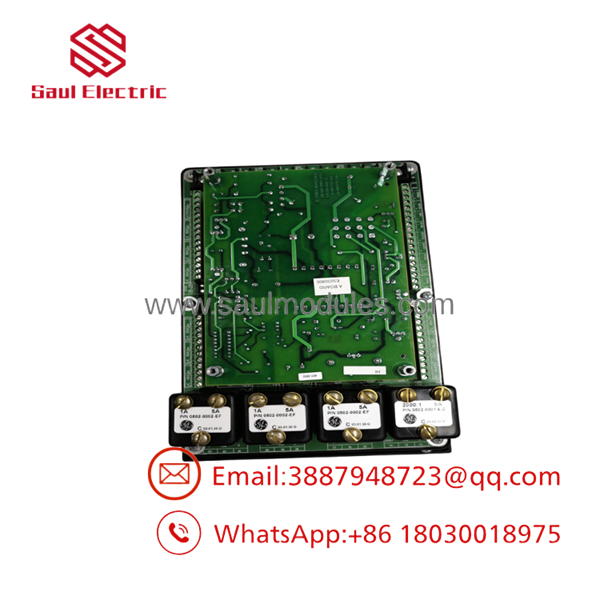
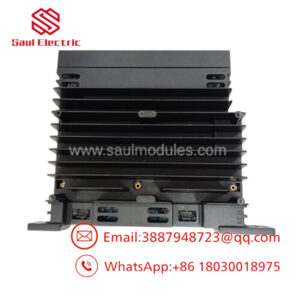
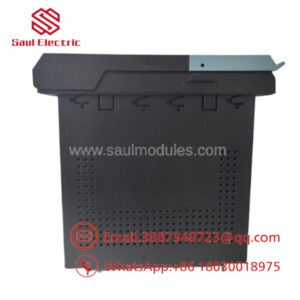
- 269PLUS-100P-HI
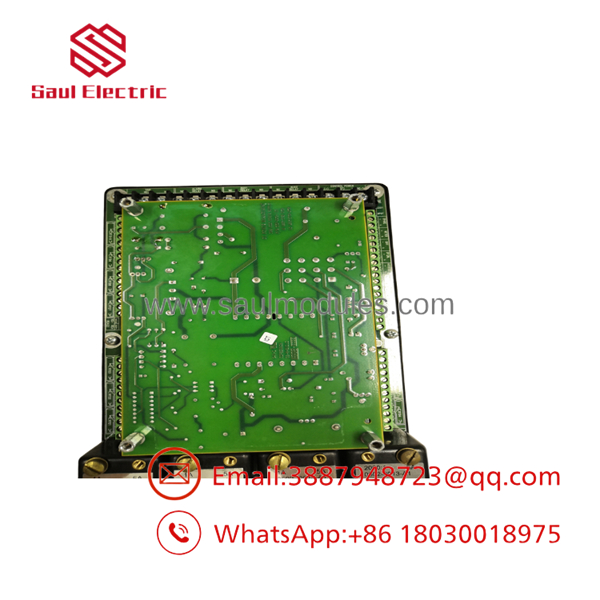
- 269PLUS-100P-HI
Transparency SOP: Quality Assurance & Testing
We don’t just ship boxes; we test them on actual GE Multilin hardware whenever practical.
- Inbound Inspection
- Verify part number.
- Inspect OEM labels.
- Check enclosure condition and connector integrity.
- Screen for counterfeit indicators.
- Live Rig Testing
- Apply rated control voltage.
- Confirm successful boot sequence.
- Verify keypad, display, relay outputs, and Modbus communications.
- Electrical Parameter Checks
- Input terminal inspection.
- Relay contact verification.
- Analog output validation.
- Insulation testing when applicable.
- Firmware Verification
- Record firmware revision.
- Document hardware revision.
- Archive relay configuration when available.
- Final QC
- Functional inspection.
- Anti-static packaging.
- Shock-resistant protective shipping materials.
- Traceable serial number documentation.
The Veteran’s Tech Trap Guide
⚠️ Firmware revisions matter.
Don’t assume two 269 Plus relays behave identically. Always compare firmware revisions before loading archived settings. Older firmware may not recognize newer configuration files.
❗ Verify the RTD configuration.
The 100P model is designed for 100Ω Platinum RTDs. Installing it where the original relay used Nickel or Copper RTDs will produce incorrect temperature readings and nuisance trips.
⚠️ Photograph every terminal.
Take pictures before removing the old relay. Motor protection panels often contain modifications made years after commissioning that never reached the latest electrical drawings.
❗ Confirm CT ratios.
Many replacement problems blamed on “bad relays” are actually incorrect phase CT settings. Verify CT primary values, ground fault CT configuration, and overload curve parameters before energizing the motor.
Frequently Asked Questions (FAQ)
Q1. Is the GE 269PLUS-100P-HI still manufactured?
No. GE has discontinued the 269 Plus family. Existing installations are supported through surplus inventory and replacement programs, while newer projects generally migrate to the GE Multilin 859 platform.
Q2. Can this relay be hot-swapped?
Not recommended.
Always isolate control power and follow plant lockout/tagout procedures before removing the relay. Verify your switchgear design and OEM documentation before attempting replacement.
Q3. Does it support Modbus communications?
Yes.
The relay includes an isolated RS485 Modbus RTU communication interface for integration with PLCs, SCADA systems, and HMIs.
Q4. Is firmware flashing required after installation?
Normally no.
If you’re installing an identical replacement with matching hardware and firmware revisions, simply restoring the saved settings is usually sufficient. Always verify compatibility before downloading configuration files.
Q5. Why is this unit less expensive than buying directly from an OEM?
Because these units typically come from verified industrial surplus inventories, excess project stock, or professionally inspected legacy inventory rather than current production. The hardware is genuine legacy equipment, not newly manufactured.
Q6. Is this a refurbished product or new surplus?
Availability varies.
Some units are Factory Sealed New Surplus, while others are professionally inspected or refurbished. The condition should always be disclosed before shipment, along with available testing documentation.
Q7. What warranty is typically provided?
Most industrial surplus suppliers provide a 12-month warranty covering functional defects under normal operating conditions. Warranty terms should always be confirmed before purchase.

 Start Chat


