





Description
Product Introduction
The GE DS200KLDCG1A is a LAN Display and Communications Board (KLDC) engineered for GE Speedtronic Mark V turbine control cabinets and GE industrial drive networks. Located within the main control rack, it acts as a primary communication hub, handling high-speed network messaging between individual panel processors, operator displays (HMI), and plant-wide automation networks.
System operators and DCS technicians rely on the KLDC board to ensure uninterrupted telemetry and command execution across turbine panels. By offloading network packet processing and display refresh management from primary governor CPUs, the DS200KLDCG1A board prevents communication bottlenecks and guarantees real-time data flow for critical control loops.
Key Technical Specifications
| Parameter | Specification / Value |
| Part Number | DS200KLDCG1A |
| System Compatibility | GE Speedtronic Mark V / Direct-O-Matic 2000 Drives |
| Board Type | LAN Display & Communications Board (KLDC) |
| Primary Function | Network packet routing, operator display interface & bus buffering |
| Communication Protocols | GE Staging LAN / ARCNET / Serial Link protocols |
| Interconnects | Multi-pin ribbon cable headers & gold-plated backplane connectors |
| Configuration Hardware | Onboard DIP switch banks & hardware jumper address arrays |
| Revision Level | Group 1, Artwork A (G1A) |
| Operating Temperature | 0°C to +60°C (32°F to +140°F) |
Application Scenarios & The “Trench” Experience
It’s 3:45 AM during a critical load ramp, and the main turbine operator interface suddenly loses communication with the Mark V panel, reporting “LAN Staging Timeout.” The central turbine controller is executing properly, but operators have zero screen visibility or control over active setpoints. Diagnostics trace the fault to a failed network transceiver chip on the original KLDC board caused by a power supply voltage sag. Swapping in a bench-verified DS200KLDCG1A replacement module, matching its onboard DIP switch network address, and re-attaching the ribbon connectors re-establishes network communication immediately without restarting the entire turbine rack.
- Power Generation Utilities – GE Frame 6/7/9 Gas Turbines – Managing LAN traffic between triple-redundant control cores (R, S, T) and the Stage 1 operator interface.
- Steam Turbine Control Networks – Co-generation Operations – Routing alarm telemetry and real-time process data to remote HMI terminals.
- Heavy Industrial Drive Systems – Steel Mills & Processing Lines – Facilitating high-speed drive-to-drive peer communication over local networks.
Transparency SOP: Quality Assurance & Testing
We test every communication board on live GE Mark V test benches prior to shipment:
- Inbound Visual & Pin Inspection: Inspect ribbon connector headers for bent or recessed pins, check IC socket seating, and inspect the board surface for trace corrosion or scratch damage.
- Cold Impedance & Power Rail Sweep: Verify electrical resistance across internal logic power buses (+5V, \pm 15V) to ensure zero short circuits prior to powering up.
- Power-On Self-Test (POST) & Network Handshake: Seat the board in a live Mark V rack, verifying successful POST execution, network node identification, and packet transmission without dropped frames.
- Thermal Stability Audit: Run continuous network loopback traffic across all channels under bench thermal stress to verify signal stability over time.
- Revision Code Verification: Document exact
G1Arevision markings on the final release certificate. - ESD Packaging: Seal in static-shielding bags with fresh desiccant packs prior to packing in custom foam containers.
The Veteran’s Tech Trap Guide (Crucial Value-Add)
⚠️ 1. Duplicate DIP Switch and Jumper Configurations Exactly!
The DS200KLDCG1A uses hardware DIP switches and jumper arrays to define its network node ID, baud rates, and protocol terminations. Installing a replacement board with default or incorrect switch settings will cause network address collisions or complete communication failure. Take a high-resolution photo of the switches on your old board and match them precisely before inserting the replacement!
❗ 2. Verify Ribbon Cable Header Alignment
When reconnecting multi-pin ribbon cables to the KLDC board, ensure the plastic locking tabs snap fully into place and that no pins are offset or folded. Loose ribbon connectors are the leading cause of intermittent telemetry alarms following card replacements.
⚠️ 3. Always De-energize Rack Logic Power Before Service
Plucking or inserting a LAN communications board while the backplane bus is energized can disrupt active network traffic across adjacent rack cards, triggering a system-wide communication fault or emergency trip.
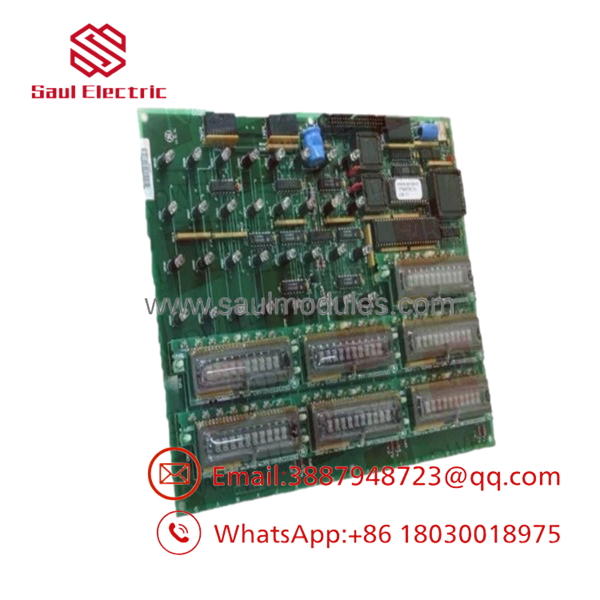
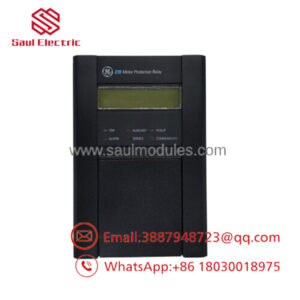
DS200KLDCG1A
Frequently Asked Questions (FAQ for Conversion)
Q: Is the DS200KLDCG1A hot-swappable?
A: No. Removing a LAN communication module while the Mark V panel is live disrupts network telemetry and control commands, which can cause an immediate system lockout. Always execute full LOTO procedures before servicing this board.
Q: What does the “G1A” suffix stand for?
A: In GE Speedtronic part numbers, G1 designates the functional group (Group 1), while A represents the specific artwork and component bill-of-materials (BOM) revision level.
Q: Can a replace a DS200KLDCG1B card?
A: Yes, in almost all Mark V control applications, Group 1 (G1) revision variants are directly interchangeable, provided that all hardware jumpers and DIP switch networks are matched to the panel’s original configuration.
Q: Is this unit new or refurbished, and what warranty is included?
A: We supply this module as New Surplus stock (unused factory original surplus). Every unit includes our full 12-month operational replacement warranty.

 Start Chat


