





Description
Product Introduction
The GE DS200SDCCG1A is the primary drive control card for GE Speedtronic Mark V turbine control systems and high-power Innovation Series drives. Positioned at the center of the control rack, it acts as the central brain of the drive—processing analog/digital feedback, executing complex control routines, and generating real-time firing pulses for power conversion bridges.
Automation engineers recognize the SDCC as the most critical processing node in the cabinet. Unlike peripheral I/O modules, the DS200SDCCG1A houses dual microprocessors that run motor speed algorithms, drive diagnostics, and backplane bus communications simultaneously. Without a healthy SDCC board executing its system firmware, the entire drive or turbine panel remains completely non-operational.
Key Technical Specifications
| Parameter | Specification / Value |
| Part Number | DS200SDCCG1A |
| System Compatibility | GE Speedtronic Mark V / Innovation Drives |
| Board Type | System Drive Control Board (SDCC) |
| Processor Architecture | Dual Microprocessor setup (Main Control + I/O Processor) |
| Memory Configuration | Onboard socketed EPROMs, static RAM, and EEPROM for parameters |
| Diagnostics | Onboard diagnostic LEDs and 7-segment display status output |
| Connectors | High-density rack edge connectors, ribbon headers (J1-J8) |
| Revision Level | Group 1, Artwork G1A (G1A) |
| Operating Temperature | 0°C to +60°C (32°F to +140°F) |
| Power Consumption | Derived from drive system control power supply (+5V, ±15V DC) |
Application Scenarios & The “Trench” Experience
It’s 4:00 AM on a freezing winter morning, and a district heating power plant’s gas turbine trips offline during startup. The Mark V display shows a fatal watchdog timer fault on the main drive processor card. The operator tries a cold restart, but the SDCC board fails to clear its POST sequence—the onboard 7-segment display locks up on an initialization code. The city’s heating loop is cooling down rapidly. Swapping in a functional, properly socketed DS200SDCCG1A card is the single barrier standing between restoring grid heat and facing major municipal penalties.
- Combined-Cycle Power Plants – GE Frame 7/9 Gas Turbines – Central processing of turbine startup sequences and speed governing loops.
- Marine Propulsion Drives – Large Electric Ships – Direct control of heavy variable-frequency drives under harsh marine power demands.
- Mining & Heavy Industry – Ball Mill & Sag Mill Drives – Torque vector calculations and firing control for high-horsepower motor drives.
Field Case Study
A steel mill’s main hot-strip rolling drive suffered an unrecoverable processor watchdog fault on its legacy SDCC board due to a power supply surge. The plant was losing over $90,000 per hour in idle production lines. We provided a pre-tested DS200SDCCG1A replacement board within 6 hours. After transferring the plant’s configuration EPROMs and EEPROM chips from the failed board to the replacement, the field engineer powered up the drive, cleared all processor faults, and resumed full rolling operations before the next shift change.
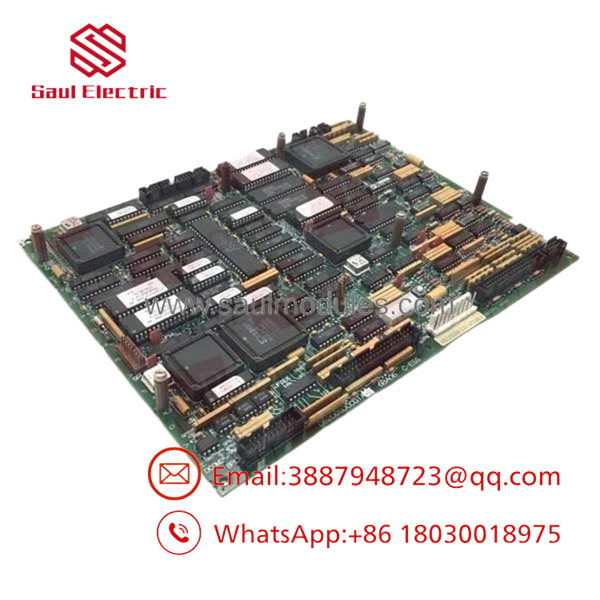
DS200SDCCG1A
Transparency SOP: Quality Assurance & Testing
We don’t just ship boxes; we test them on actual GE rack setups. Here is our exact internal verification workflow before any DS200SDCCG1A leaves our floor:
- Inbound Visual & Mechanical Inspection: Inspect chip sockets for bent or corroded pins, verify solder trace integrity around processor buses, and check edge connectors for wear.
- EPROM Socket Verification: Ensure all socket contacts retain proper spring tension to guarantee clean contact with firmware chips.
- Power-On Self-Test (POST): Mount the card into a live GE Mark V rack to verify processor boot sequences, power rail distribution, and 7-segment display readouts.
- Communication & Bus Handshake Testing: Test all LAN/bus interfaces (including drive controller LAN and backplane communication ports) for active signal handshakes.
- Firmware & Parameter Memory Check: Verify reading and writing capability to onboard EEPROM memory locations.
- ESD Packaging: Seal in static-shielding bags with fresh desiccant before custom foam boxing.
The Veteran’s Tech Trap Guide (Crucial Value-Add)
⚠️ 1. YOU MUST SWAP YOUR CONFIGURATION MEMORY CHIPS!
The uses socketed EPROMs (for system firmware) and a socketed EEPROM chip (U6) that stores all your drive’s site-specific parameters, motor ratings, and tuning constants. A new surplus board does NOT come with your site’s software parameters. You MUST carefully remove the socketed ICs from your old board and transfer them to the replacement card using a proper chip extractor tool. If you force or bend those pins, your parameter set is gone!
❗ 2. Mind the Jumpers (J1 through J20+)
The SDCC board features dozens of hardware jumper blocks that configure memory mapping, communication protocols, and analog scaling. Compare every single jumper position on the new card against your original board before applying power. “Default out-of-the-box” jumper settings almost never match a customized plant setup.
⚠️ 3. ESD Warning During Memory Transfer
Because replacing this board requires physically pulling and inserting socketed EPROM/EEPROM integrated circuits, your static mitigation must be 100% solid. Wear a grounded wrist strap attached to a verified earth ground. Static discharge through an EEPROM pin during chip transfer can corrupt your drive’s parameter set permanently.
Frequently Asked Questions (FAQ for Conversion)
Q: Is the hot-swappable?
A: No! Pulling the main processor card while the control rack is energized will crash the entire drive system instantly, risk corrupting memory chips, and potentially cause physical damage to backplane bus drivers. Always perform a complete system lockout/tagout (LOTO).
Q: Why is my replacement SDCC board giving a blank display or boot error?
A: This almost always happens when the firmware EPROMs or parameter EEPROM chips were not transferred from the original board, or were installed backward in their sockets. Pin 1 orientation must strictly match the notch indicator on the board socket.
Q: What is the difference between and DS200SDCCG1B?
A: The letter suffix (G1A vs G1B) indicates the hardware revision level. While G1B introduced minor component availability updates or board trace refinements, G1A is the original revision. In most cases, they are functionally interchangeable as long as you transfer your original socketed memory chips.
Q: Is this board new or refurbished, and what warranty covers it?
A: This unit is offered as New Surplus stock (unused factory original surplus). Every board comes backed by our comprehensive 12-month full replacement warranty.
Q: How do you offer this below direct OEM factory pricing?
A: We source surplus inventory from facility upgrades, canceled capital engineering projects, and global industrial surplus holdings. You receive genuine GE hardware without paying OEM expediting fees or waiting through multi-month factory backorders.

 Start Chat


