





Description
Product Introduction
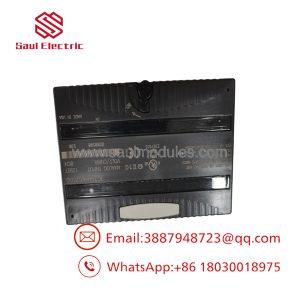
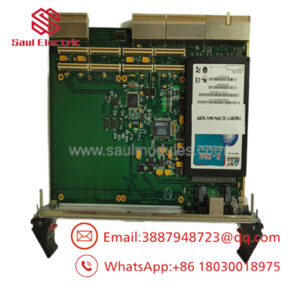
The Horner HE693RTU900 is a dedicated serial communication coprocessor card built to plug directly into a GE Fanuc Series 90-30 PLC backplane rack. Developed by Horner APG as a specialized expansion module for GE Fanuc architectures, this unit equips Series 90-30 PLCs with robust Modbus RTU Master and Slave connectivity across dual configurable serial ports.
By offloading heavy serial polling, protocol parsing, and data buffer management to its own onboard microprocessor, the HE693RTU900 prevents communication bottlenecks on the main Series 90-30 CPU. This allows your PLC logic execution to stay fast and deterministic while seamlessly polling power meters, flow transmitters, VFDs, and SCADA gateways.
Key Technical Specifications
| Parameter | Specification |
| Manufacturer | Horner APG (for GE Fanuc) |
| Part Number | HE693RTU900 |
| Host System | GE Fanuc Series 90-30 PLC Backplane |
| Protocols Supported | Modbus RTU Master/Slave, SNP Slave, Custom ASCII |
| Serial Ports | Port 1: RS232 / RS485; Port 2: RS232 / RS485 |
| Baud Rates | 300 bps to 38.4 kbps (Software/Hardware Configurable) |
| Onboard Buffer | Dedicated RAM buffer for non-blocking PLC CPU transfers |
| Backplane Power Draw | 5 VDC @ 350 mA (Supplied via PLC rack backplane) |
| Status Indicators | Front panel LEDs for Module Status, Port 1 Tx/Rx, Port 2 Tx/Rx |
| Operating Temperature | 0°C to 60°C (32°F to 140°F) |
Application Scenarios & The “Trench” Experience
It’s 2:00 AM at a municipal wastewater plant. The main influent pumping station loses communication with twelve digital power monitors and three chemical dosing skids at once. The Series 90-30 CPU is healthy, but the serial interface card’s port status LEDs are dark due to a blown RS485 transceiver chip caused by a nearby lightning strike ground-surge. With no flow or energy telemetry reaching the main operator screen, the station is blind, threatening an environmental spill if tank levels overflow.
Primary Industrial Applications
- Water & Wastewater Treatment – Instrumentation Telemetry Gateway – Polls remote flow meters, analytical transmitters, and level sensors via Modbus RTU.
- Oil & Gas Pipeline Stations – Flow Computer Interfacing – Gathers custody-transfer gas volume data from field flow computers into central PLCs.
- Commercial Energy Management – Power Meter Aggregation – Connects multi-channel electric meters and power analyzers across facility sub-panels.
- HVAC & Industrial Refrigeration – Compressor Skid Control – Interfaces variable speed drives and chiller controllers with central plant SCADA.
Field Case Study
An agricultural processing plant in Nebraska experienced total loss of serial communication on its main grain drying system when an old HE693RTU900 card suffered a power-supply regulator failure. The OEM declared the system obsolete and quoted a full rack-and-CPU upgrade requiring 10 days of facility shutdown. Sourcing a pre-tested surplus HE693RTU900 allowed the on-shift technician to swap the card, load the port configuration file via software in 15 minutes, and resume drying operations before morning shifts began.
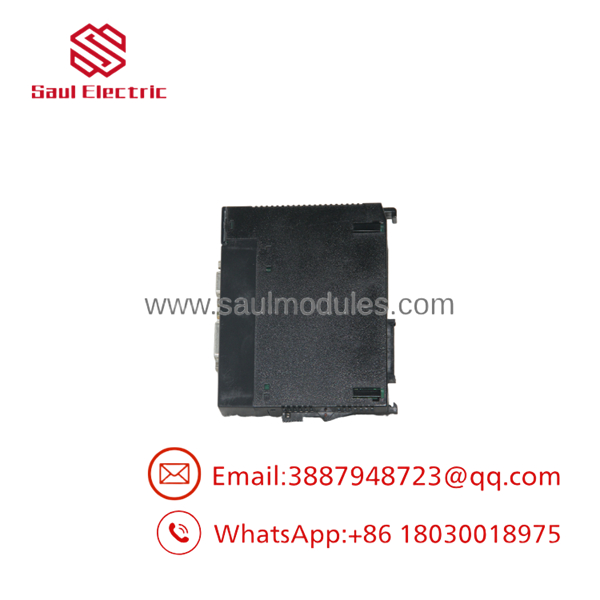
HE693RTU900
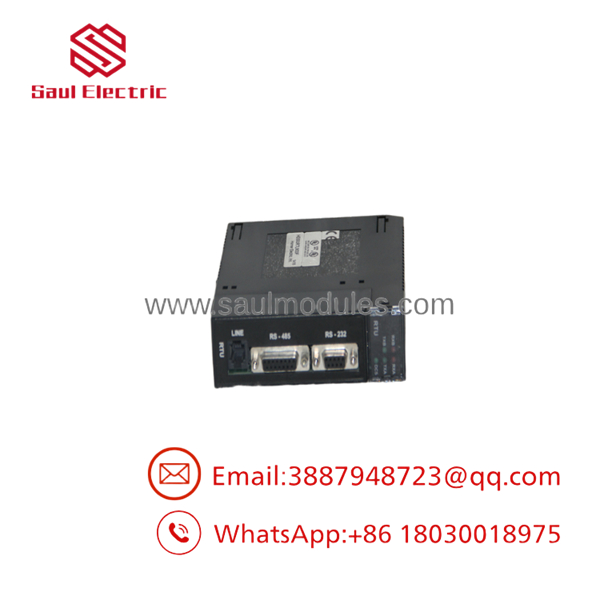
HE693RTU900
Transparency SOP: Quality Assurance & Testing
We test legacy Horner modules on live GE Fanuc Series 90-30 test benches to ensure plug-and-play field performance:
- Inbound Mechanical Inspection: Detailed check of backplane edge connectors, port pins, housing clips, and internal PCB traces for corrosion, swollen capacitors, or heat stress.
- Backplane Boot Verification: Mounting the module in a live Series 90-30 rack (e.g., IC693CHS391) to confirm CPU handshakes, +5V power rail integrity, and successful boot-up self-tests.
- Dual-Port Loopback & Traffic Audits: Connecting both serial ports to active Modbus RTU slave devices and running continuous query loops at maximum baud rates to confirm zero packet loss.
- Configuration Upload/Download Testing: Communicating via Horner configuration software (Cscape or HE693 Config Tools) to verify flash memory retention and protocol switching.
- ESD Protection & Custom Packaging: Clearing error logs, restoring factory default settings, wrapping the module in an anti-static ESD sleeve, and boxing it in custom shock-absorbing foam.
The Veteran’s Tech Trap Guide (Crucial Value-Add)
⚠️ Trap 1: Watch Your RS485 Termination Jumpers!
Port 1 and Port 2 support RS485 differential signals, but if the module sits at the physical end of an RS485 bus, you MUST enable the internal termination resistor jumpers. Leaving the line unterminated causes electrical signal reflections that produce intermittent “CRC Error” or “Timeout” faults on field devices.
❗ Trap 2: Check RS232 Pinout Wiring First.
Don’t assume standard RJ45-to-DB9 or DB9-to-DB25 cables will work out of the box. Horner uses specific pin arrangements for RS232 RX/TX/GND on its front connectors. Reversing TX and RX lines won’t damage the board, but your comms will sit completely dead while you chase phantom software bugs.
⚠️ Trap 3: Match Modbus Addressing Maps.
The HE693RTU900 maps Modbus registers (e.g., 40001) directly into GE Fanuc %R register memory blocks. Ensure your PLC memory range allocation doesn’t overlap with active timers, counters, or internal bit flags used elsewhere in your ladder logic program.
❗ Trap 4: Never Pull Modules Under Power.
The GE Fanuc Series 90-30 backplane is strictly non-hot-swappable. Pulling or inserting an while the rack power supply is turned on will send voltage arcs across the gold backplane fingers, potentially frying both the card and surrounding PLC modules. Always shut off rack power first.
Frequently Asked Questions (FAQ for Conversion)
Q: Is the Horner card hot-swappable?
A: No. The GE Fanuc Series 90-30 rack platform does not support hot-swapping option cards. Always de-energize the main rack power supply before inserting or removing the module.
Q: Can both ports on the run as Modbus Masters simultaneously?
A: Yes. The onboard coprocessor allows independent configuration of each port. You can run Port 1 as a Modbus RTU Master polling field drives and Port 2 as a Modbus RTU Master polling power meters or as a Slave talking to a SCADA host.
Q: Do I need special software to configure the module?
A: Yes, configuration of port baud rates, parity, protocol modes, and register mapping requires Horner’s configuration utility (or Cscape depending on hardware revision) along with a serial configuration cable.
Q: Why choose pre-tested surplus Horner modules over a complete PLC overhaul?
A: Upgrading a complete PLC rack involves rewriting control programs, drawing new panel schematics, and taking long planned outages. Sourcing a pre-tested surplus keeps your proven system online instantly at a fraction of the cost.
Q: What warranty coverage comes with this module?
A: Every Horner card ships with a full 12-month functional replacement warranty. If the unit experiences hardware or communication failures during normal operation within one year, we replace it immediately.

 Start Chat


